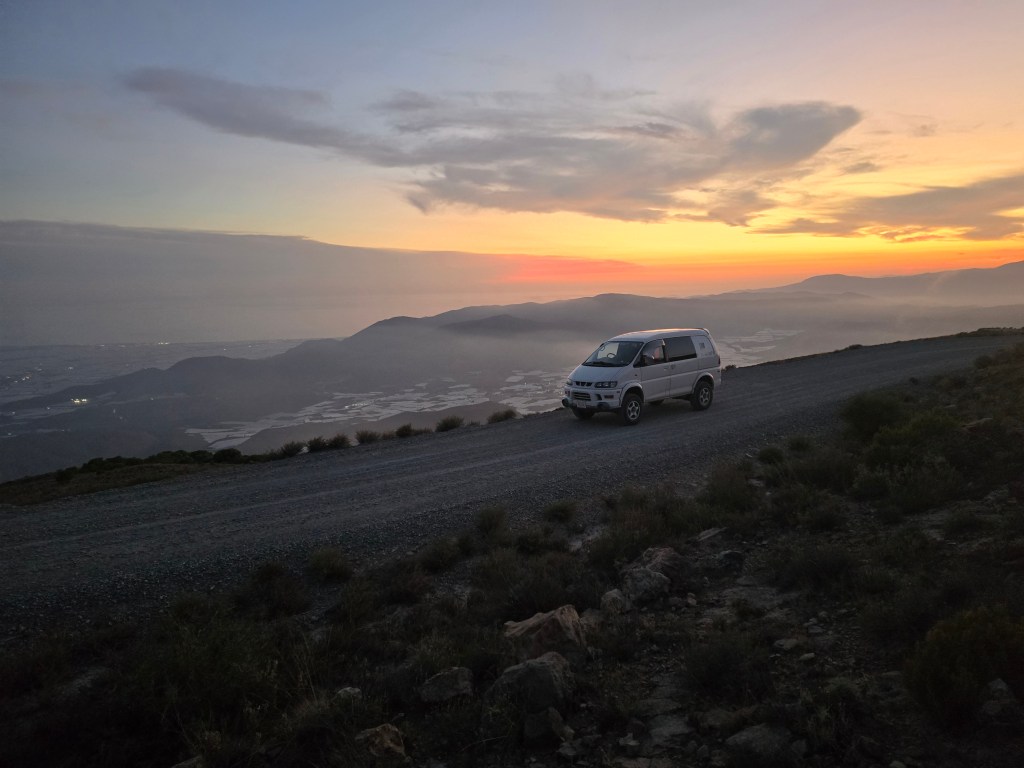
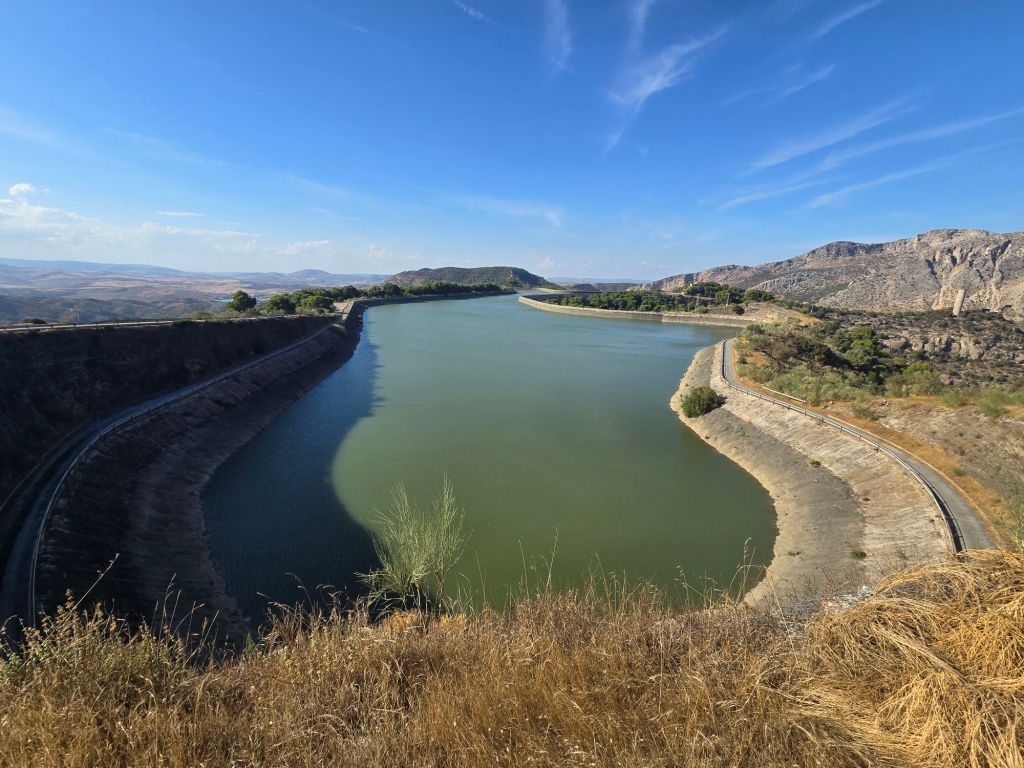
The Camino del Rey was built for hydro workers. They also built this funny lake on top of a mountain, a pumped hydro project.
The mountain also hosts the Bobastro castle, one of the few times in European history that everyone settled their differences peacefully. Just kidding.
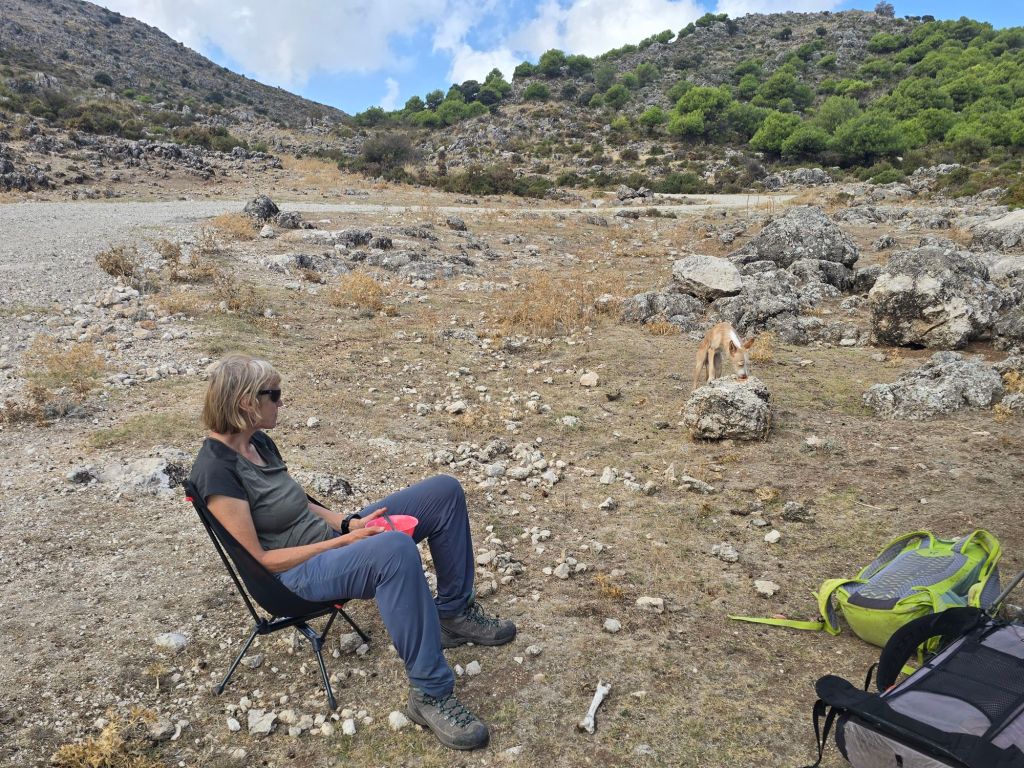
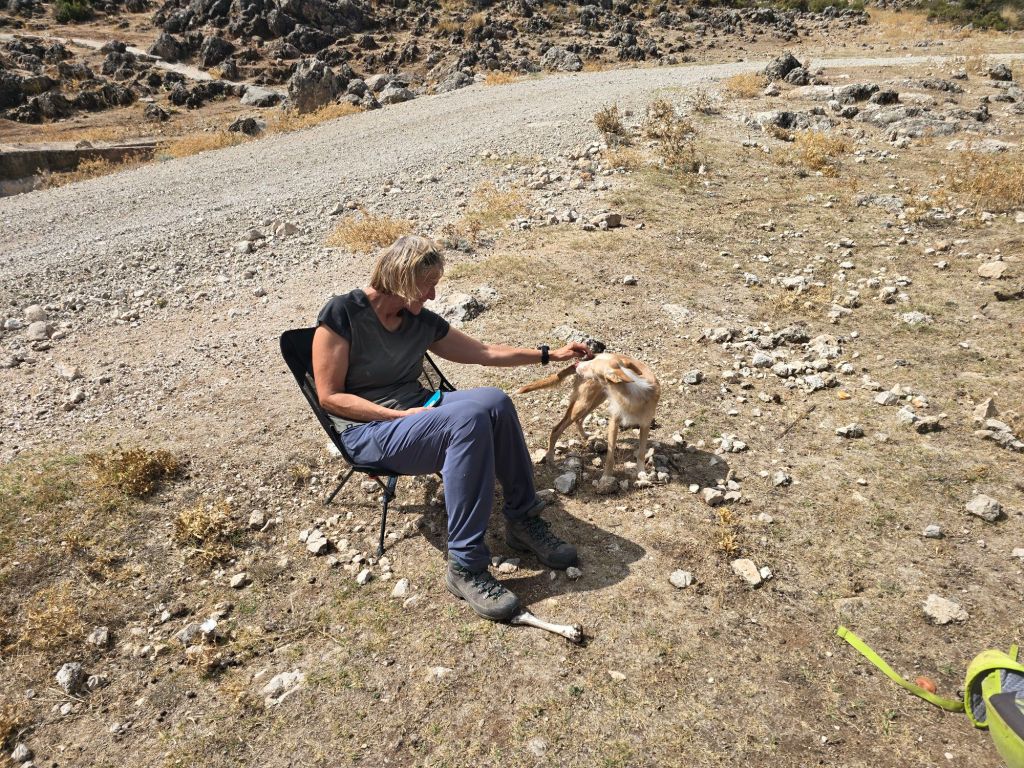
While waiting for Marta to descend a mountain, some farmers drove by and asked if I had seen their lost dog. After they left, their dog came out of the forest. What are the odds?Initially very shy, after sharing our food and water, the pup was very playful. Unfortunately, we couldn’t find the owner, and left it some water.
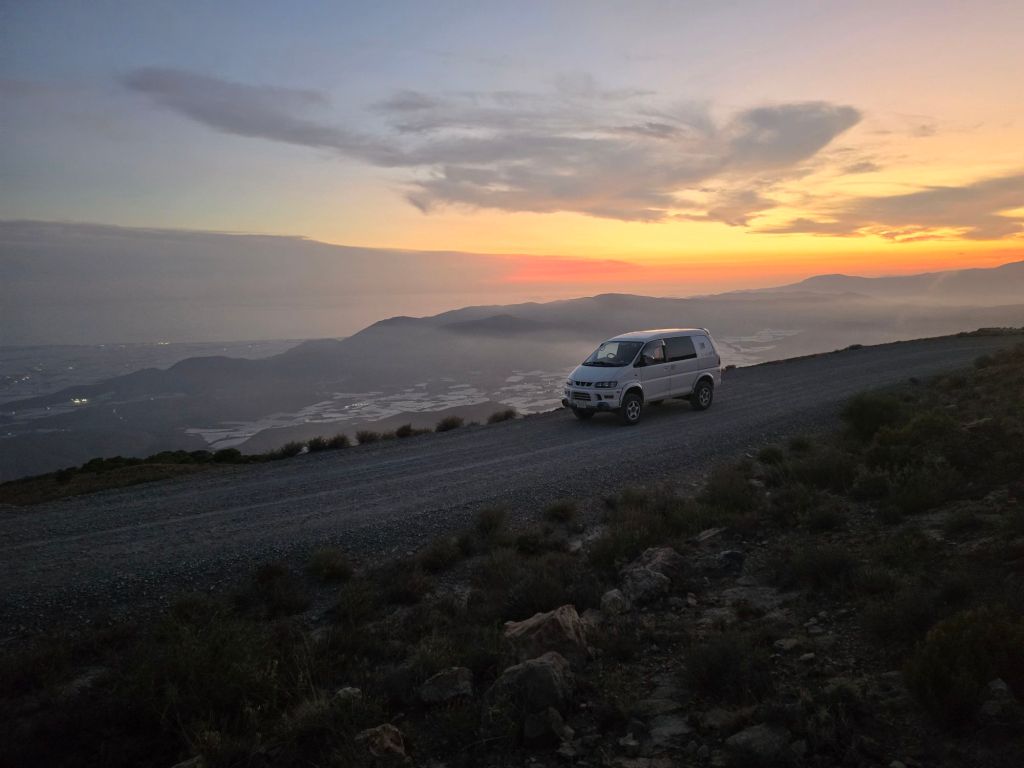
Come to think of it, we could use a dog in the Delica. I could train him to defend the Nutella from Marta.
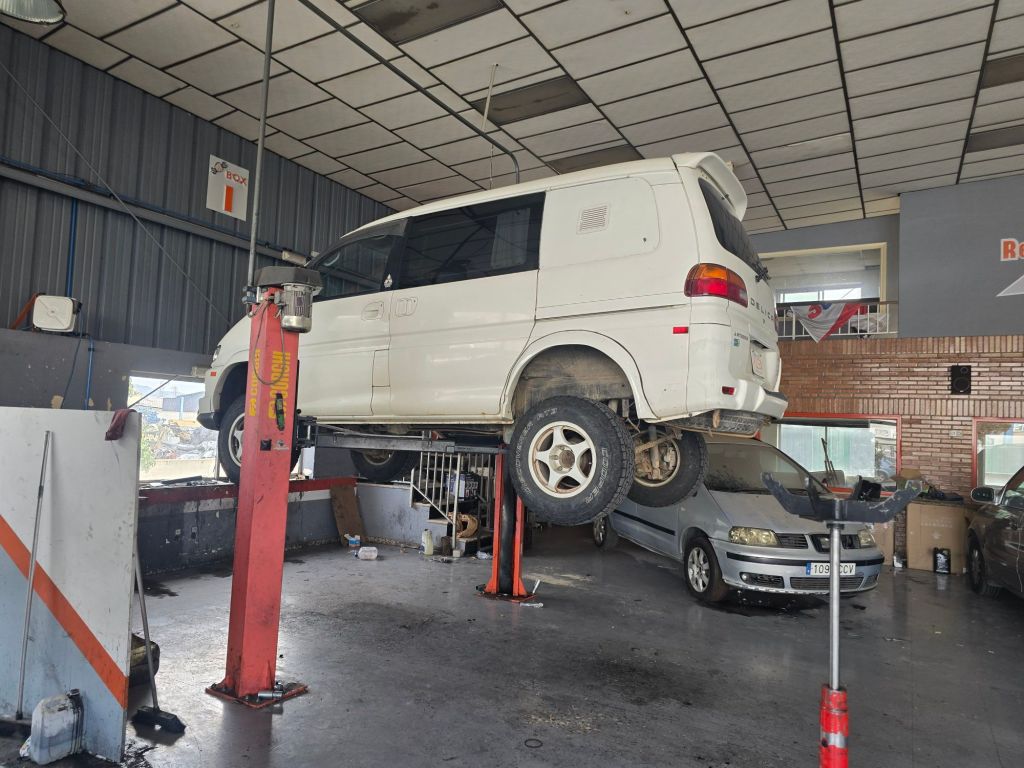
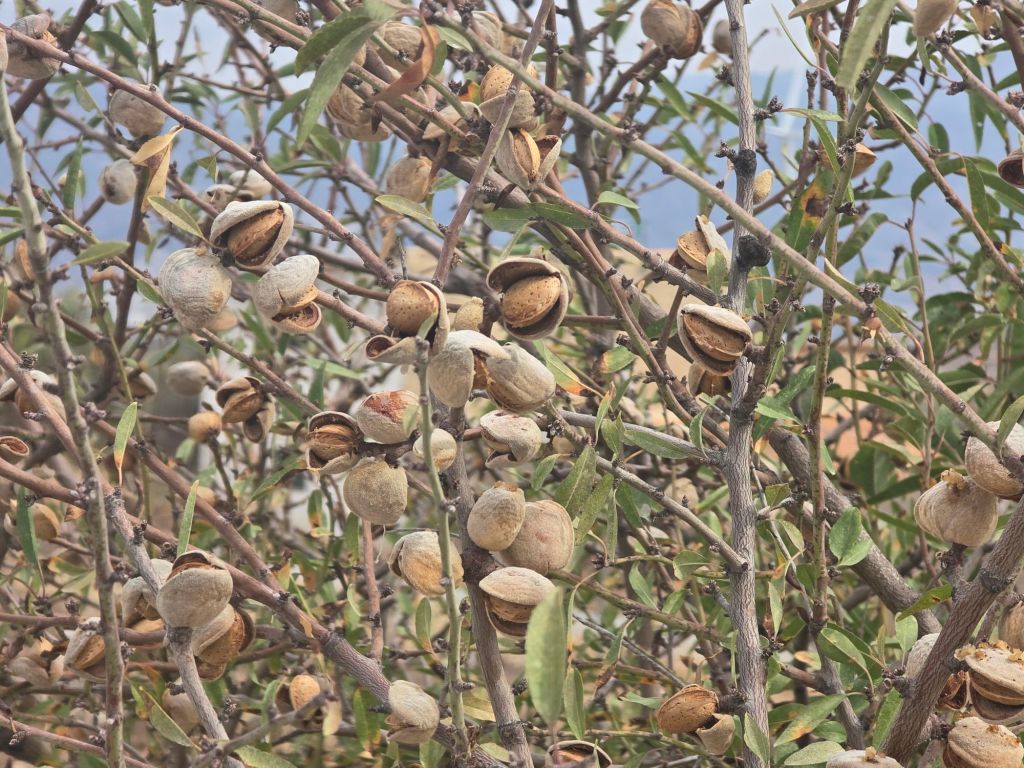
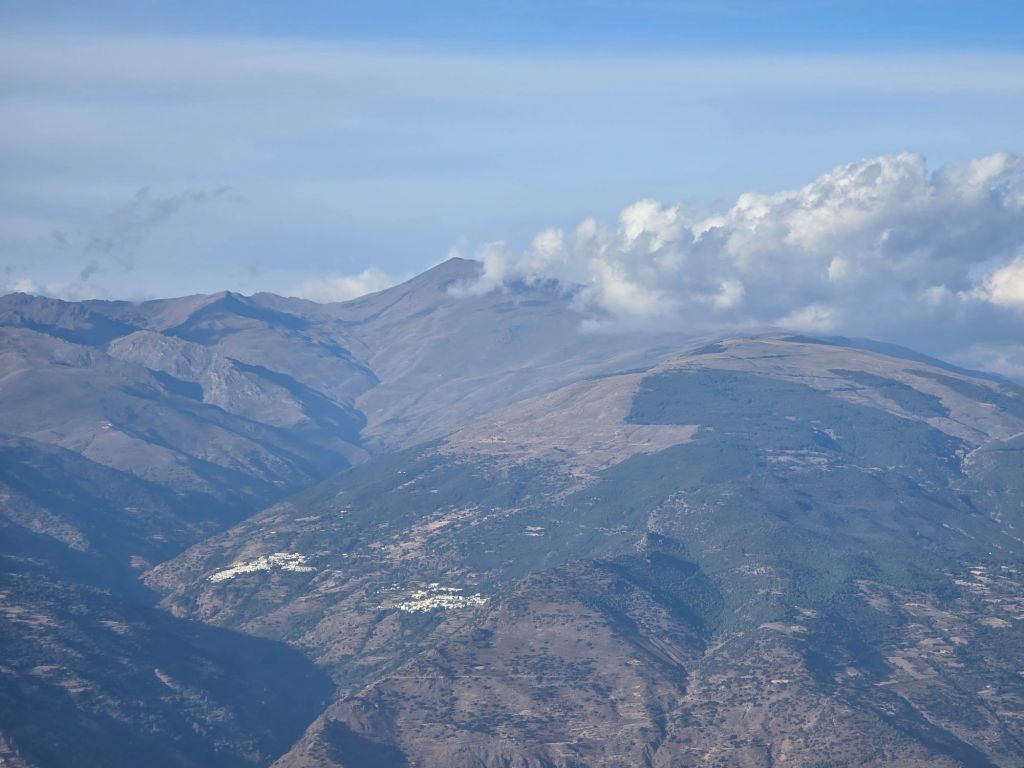
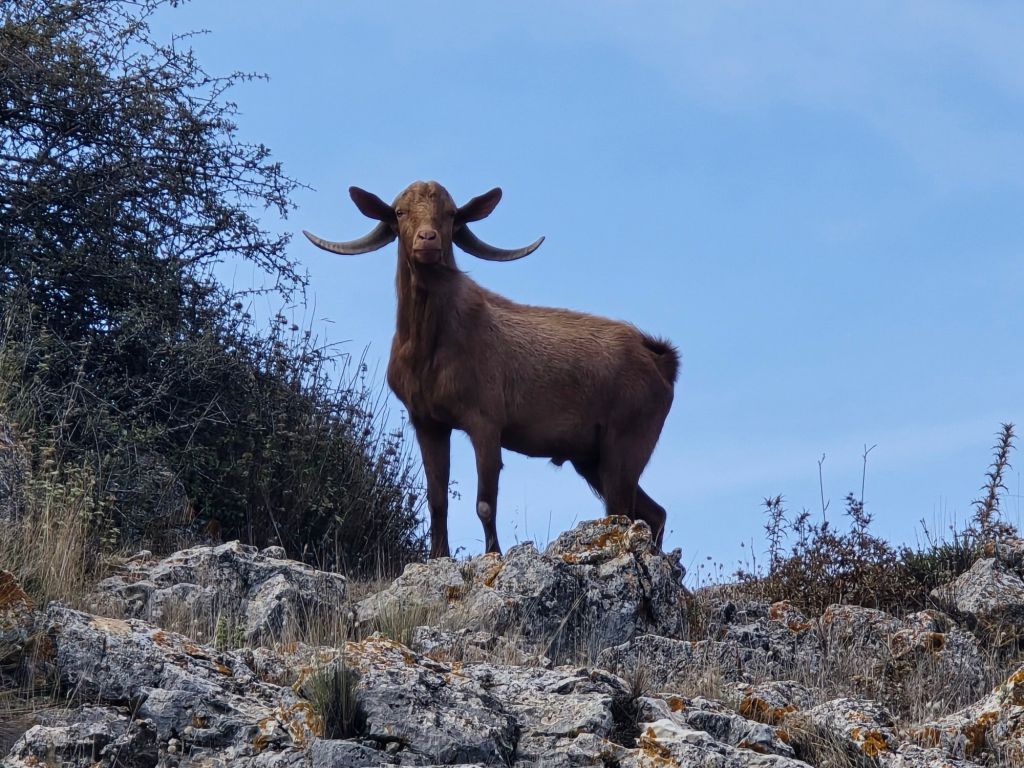
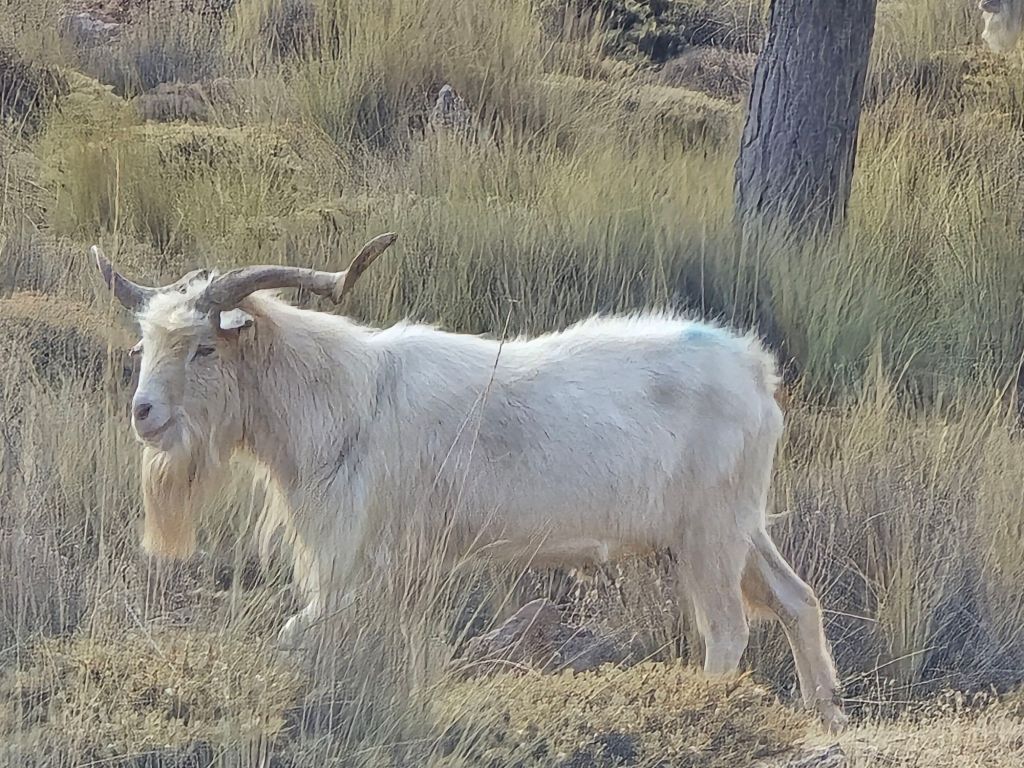
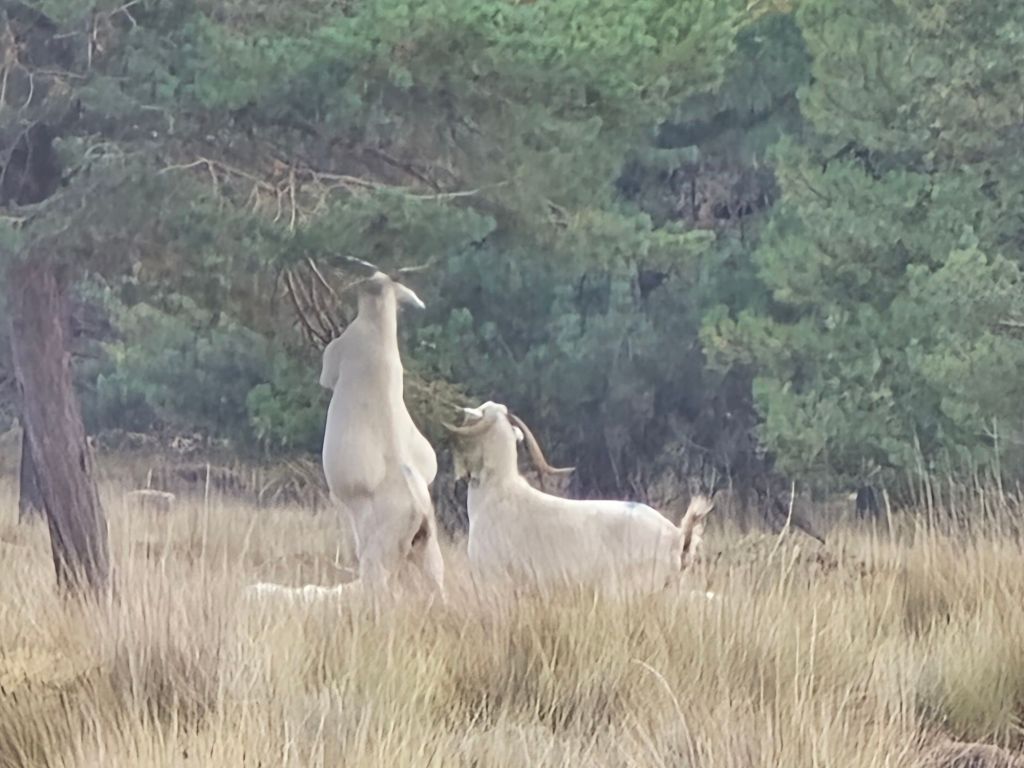
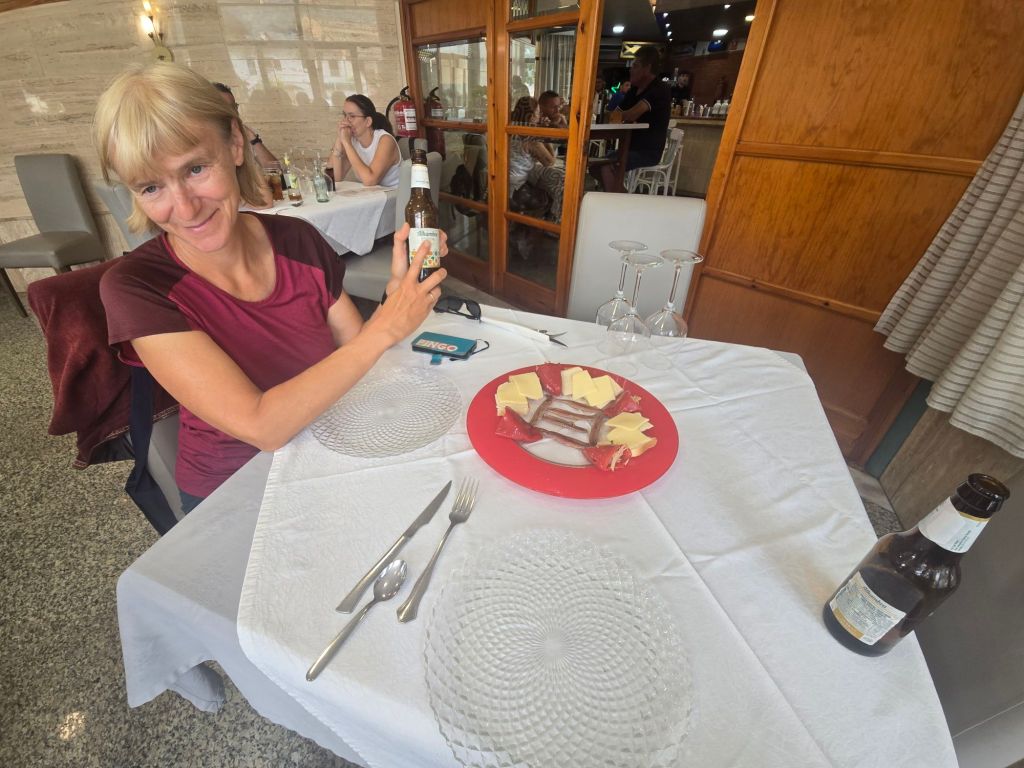
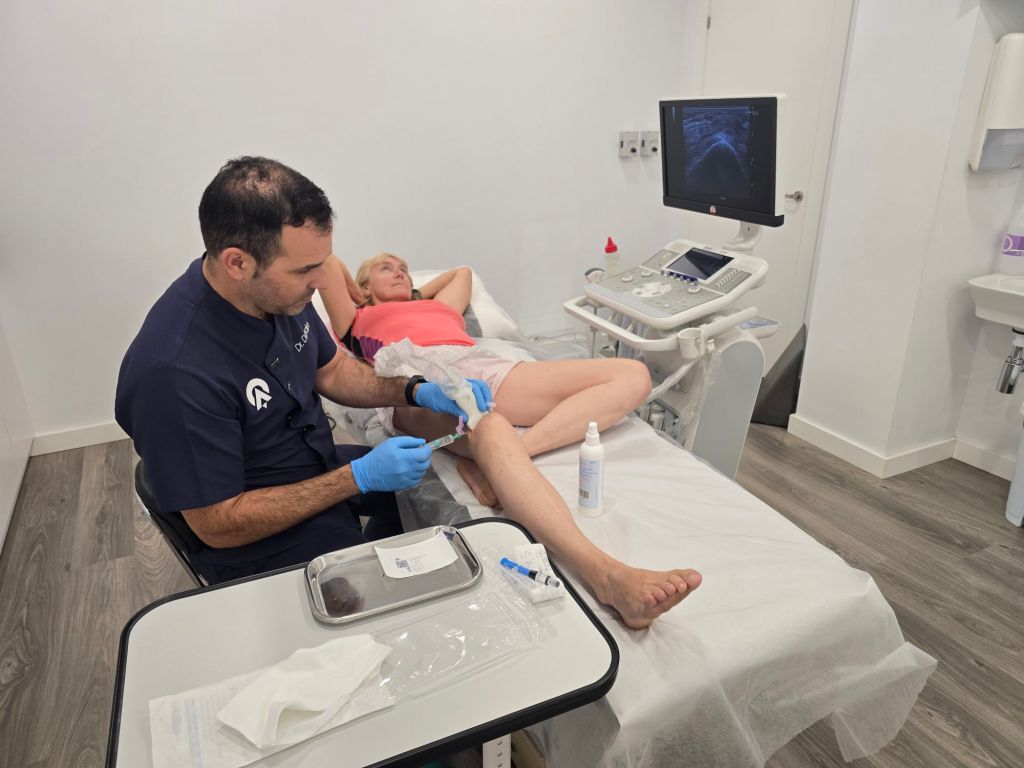
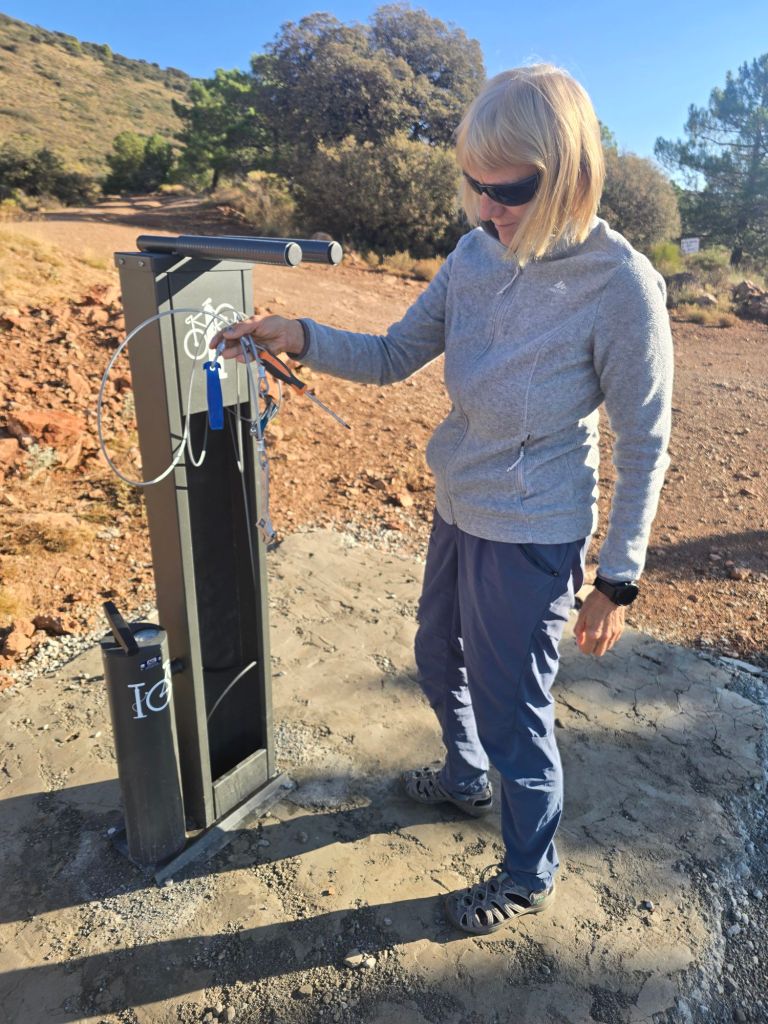
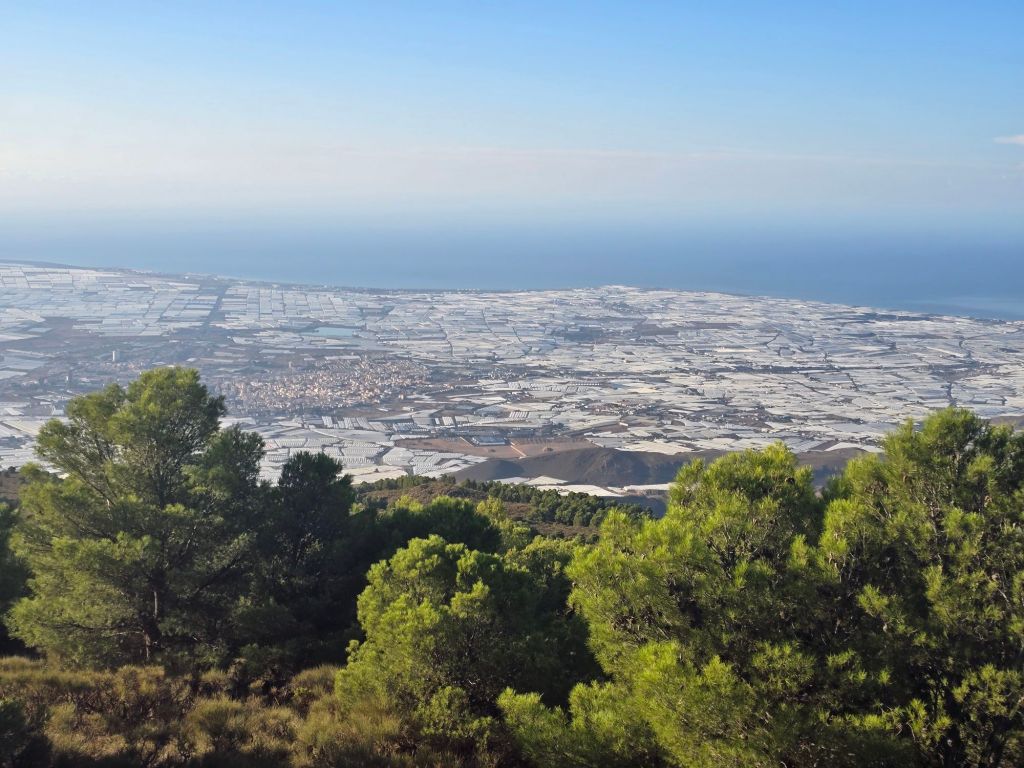
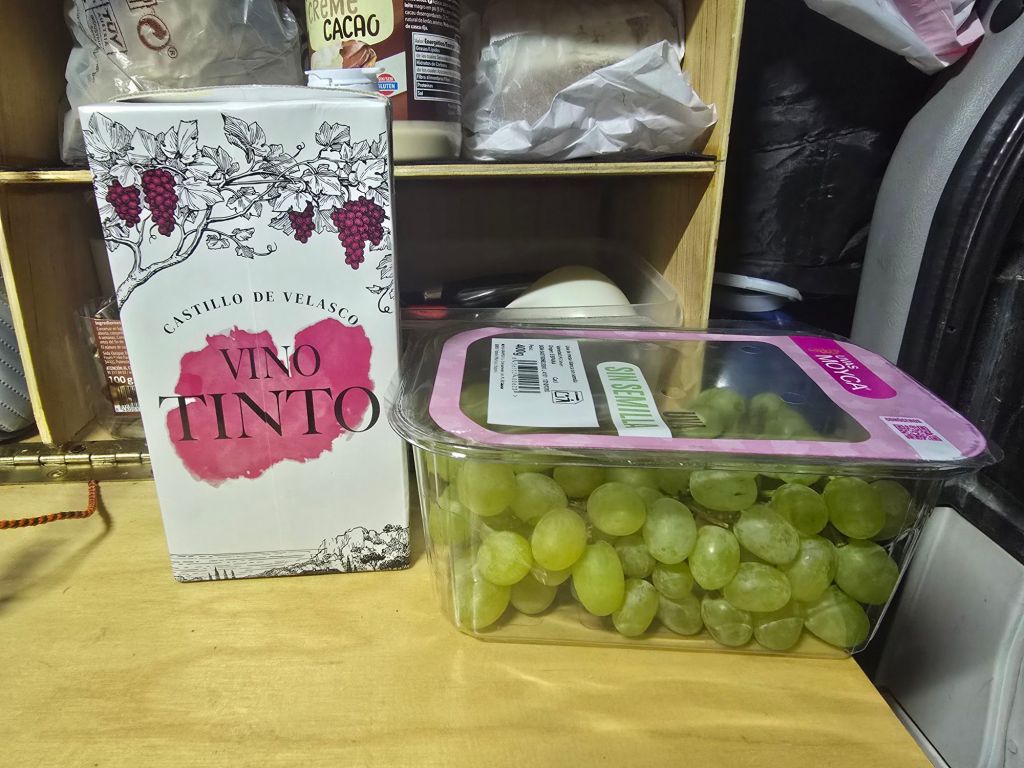
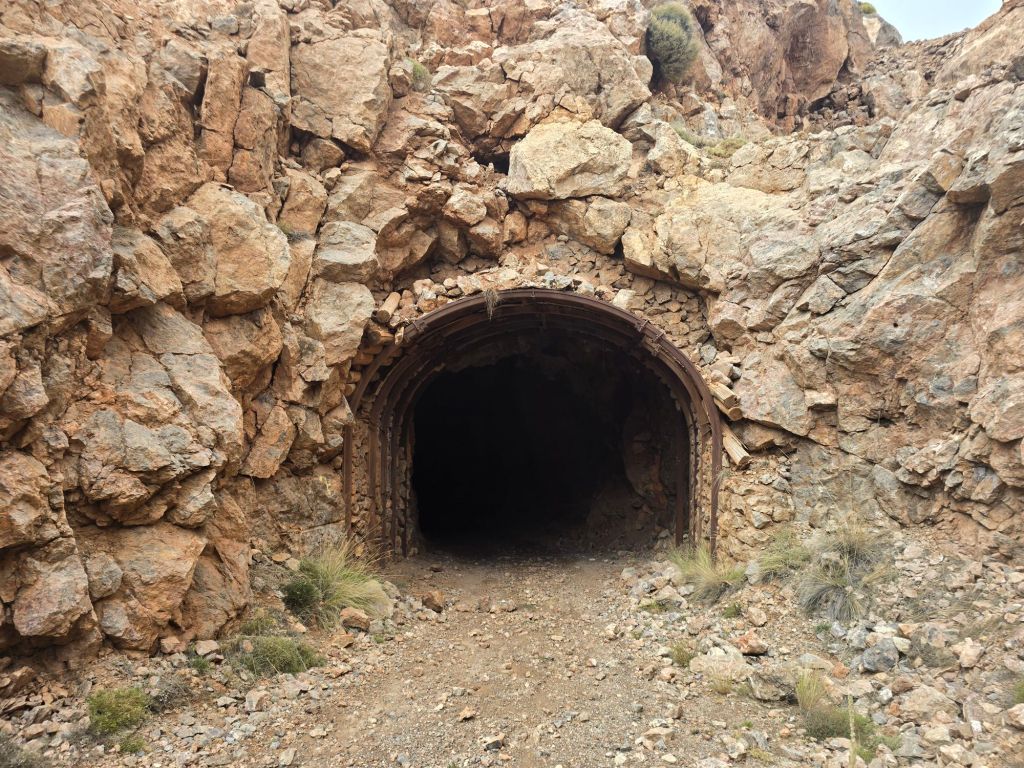
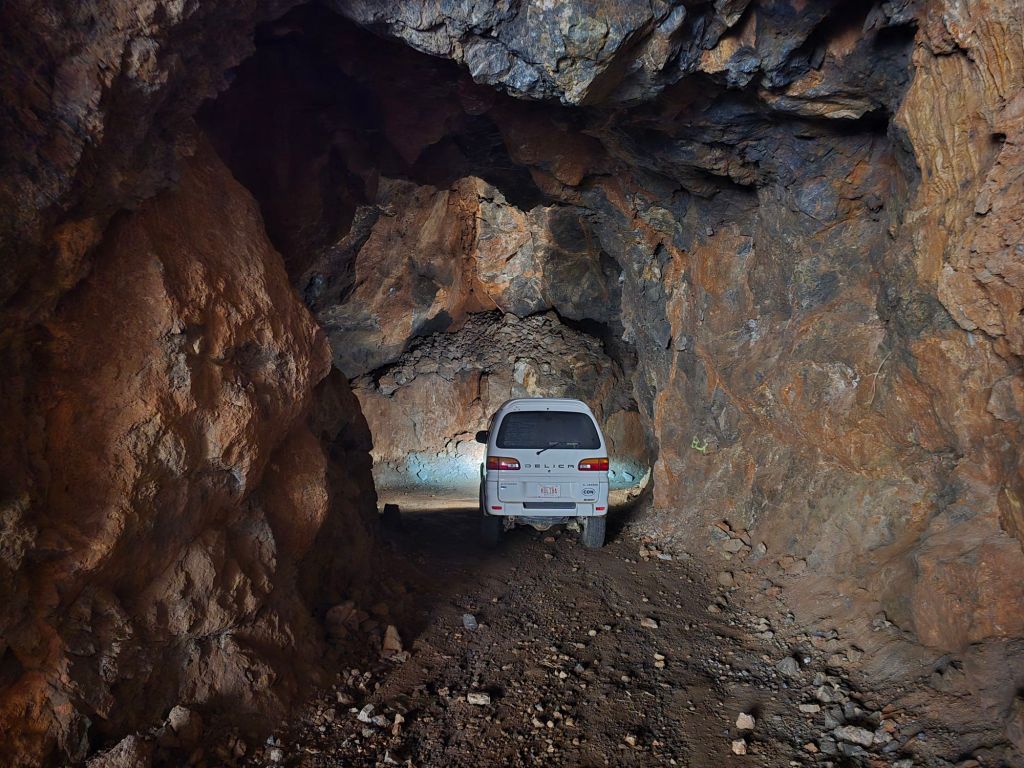
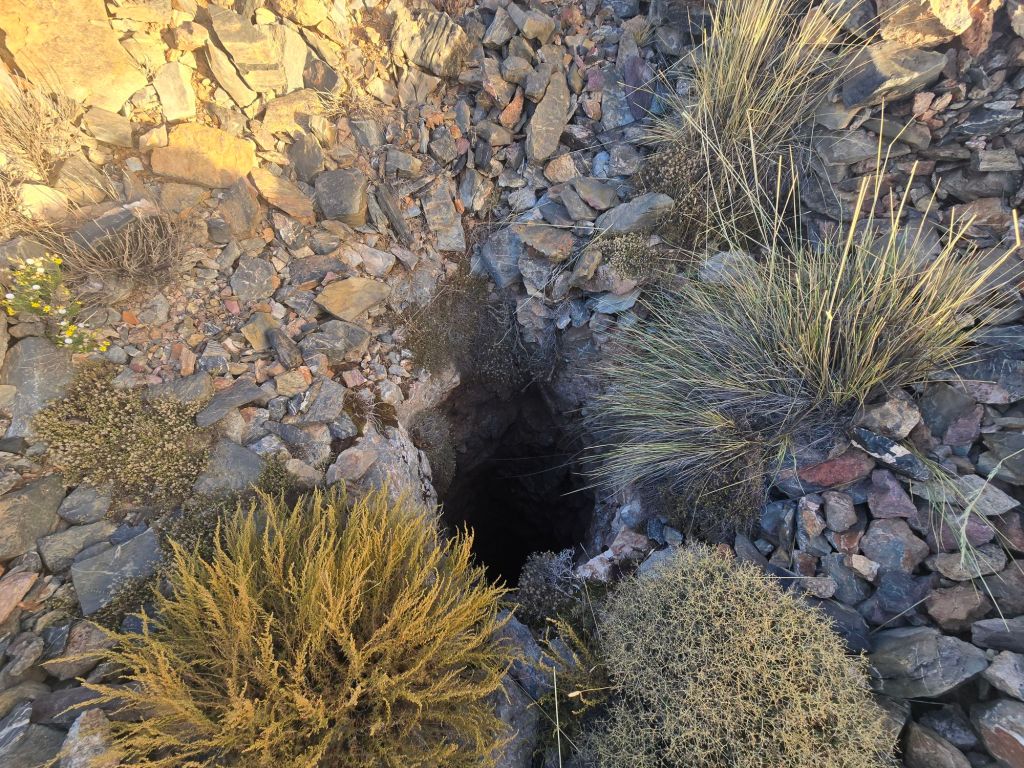
In Granada, we rent a lift in a DIY mechanic shop to hunt down a very sharp clunk in the suspension. The rental was cheap, but the real cost – now I need to buy a lift for Calgary…As we hike, we sample the orchards – almonds, figs, olives not so much. Turns out raw bitter almonds release cyanide when you digest them. Nibble first, research later.This is Mulhacen, the highest peak in Spain – about 3500m. Check out the random villages clinging on high on it’s slopes. Spain has very impressive goat breeds.Another handsome specimen. I’m not sure if the female goats or bored shepherds are responsible for the sexual selection that produced these massive horns.Turns out goats eat pines. Anything but grass. Goats are an amazingly charismatic animal.Spaniards love their long lunches. We try it once, drives me crazy.We finally find a clinic that can take us on short notice. I’m observing carefully – I’m sure we can buy Hyaluronic acid on AliExpress for cheap.In the middle of a very empty mountain, we find this bicycle service station.This viewpoint was called “Mar de Plastico”. Literally, the sea of plastic. East of Granada, the tourist mecca Costa Del Sol gives way to hundreds of square kilometers of greenhouses.Wine – 1 Euro per liter. Grapes – 5 Euros per literSpain is phenomenal. Every mountain chain is covered in empty, twisty gravel roads. I can’t explain how few people we see in the mountains – is this forbidden?The Sierra de Gador has plenty of mines, most small lead mines from 200 years ago. This fairly modern fluorite mine was big enough to drive a truck into and turn around.Challenge accepted!There are 200 year old holes everywhere, and they are very deep. I wonder how many goats there are at the bottom?
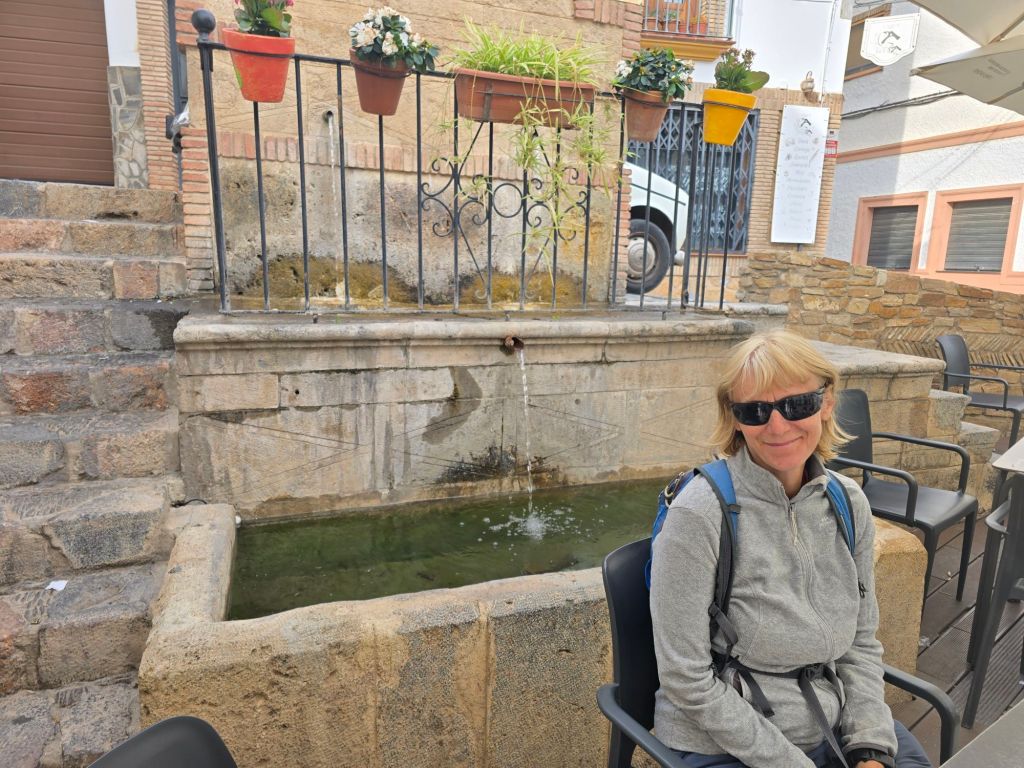
We struggle to find places in Spain to fly the drone – need to not be in a national park, and have as few people around as possible. The diggings from the 200 year old lead mining boom are amazing. Lots of holes.Many Spanish towns have fountains that run continuously, very convenient for refilling our meager water supplies. We would have killed for such convenient access to water in the Netherlands.
Little known fact – the Dutch are like beavers. They compulsively seek out the sound of running water and plug it up. You heard it here first – no fountains in the Netherlands.
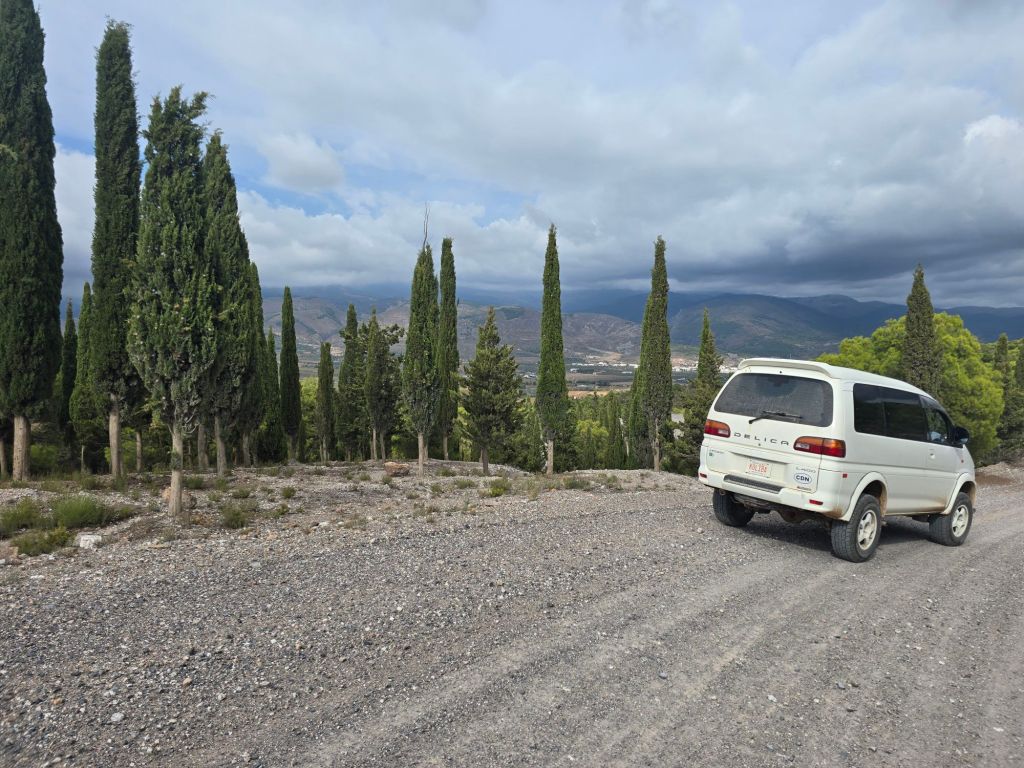
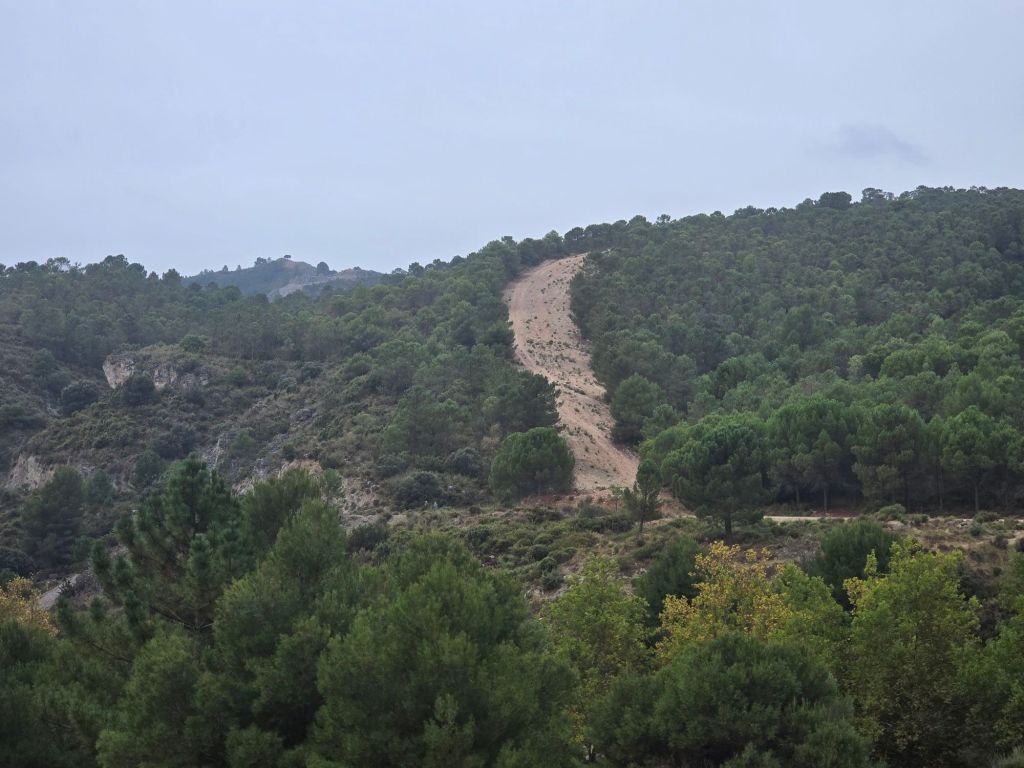
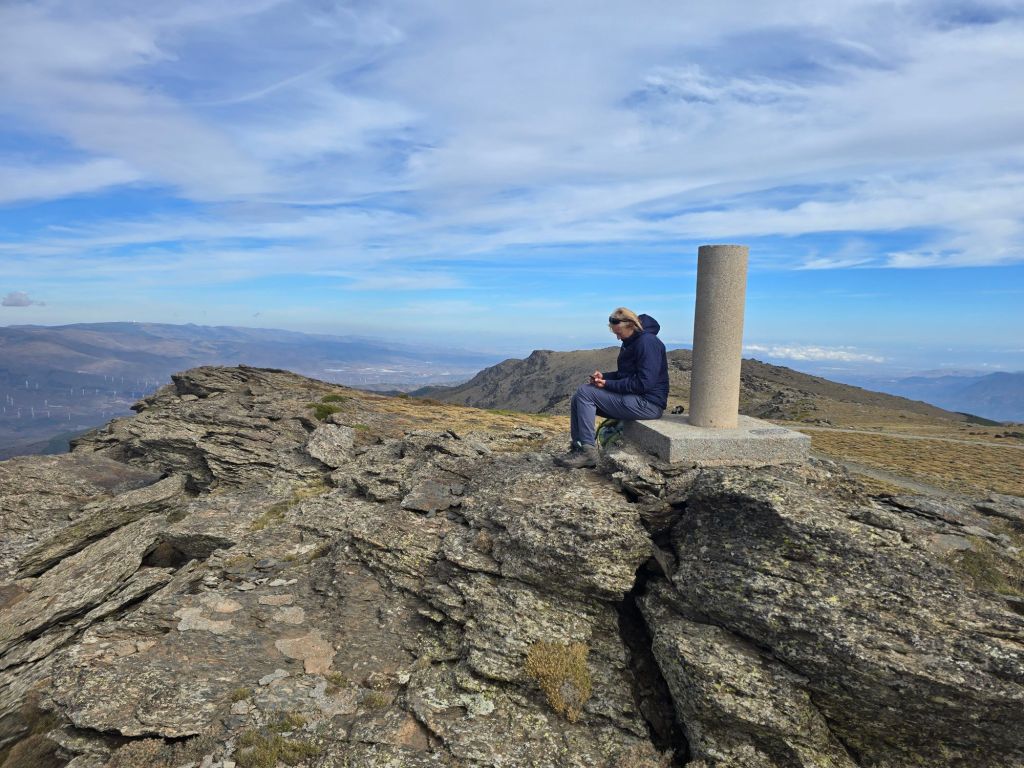
The forests of Andalucia were replanted during the 20th century, producing a visibly patchy pattern. Sometimes they went for full-on ornamental – these Italian cypress trees make for a weird looking forest.Many mountain ridges have a fire break at the crest. I wonder if it helps?Marta does her data entry, recording the 7th peak of the day. After all, the doctor did tell her to take it easy.