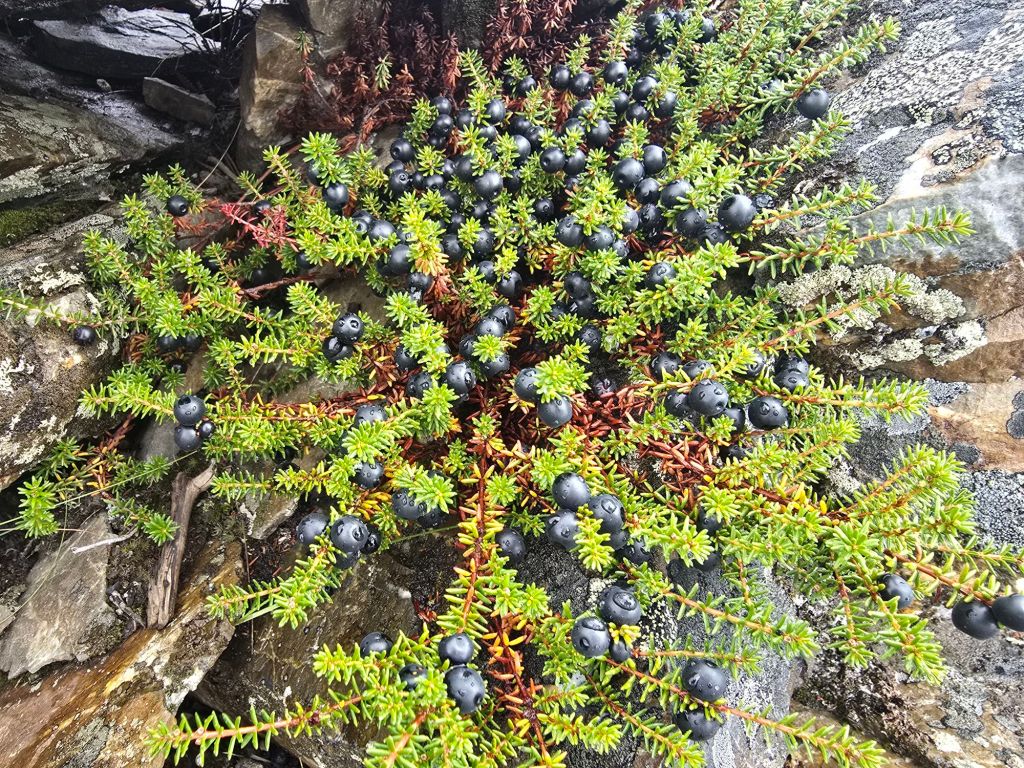
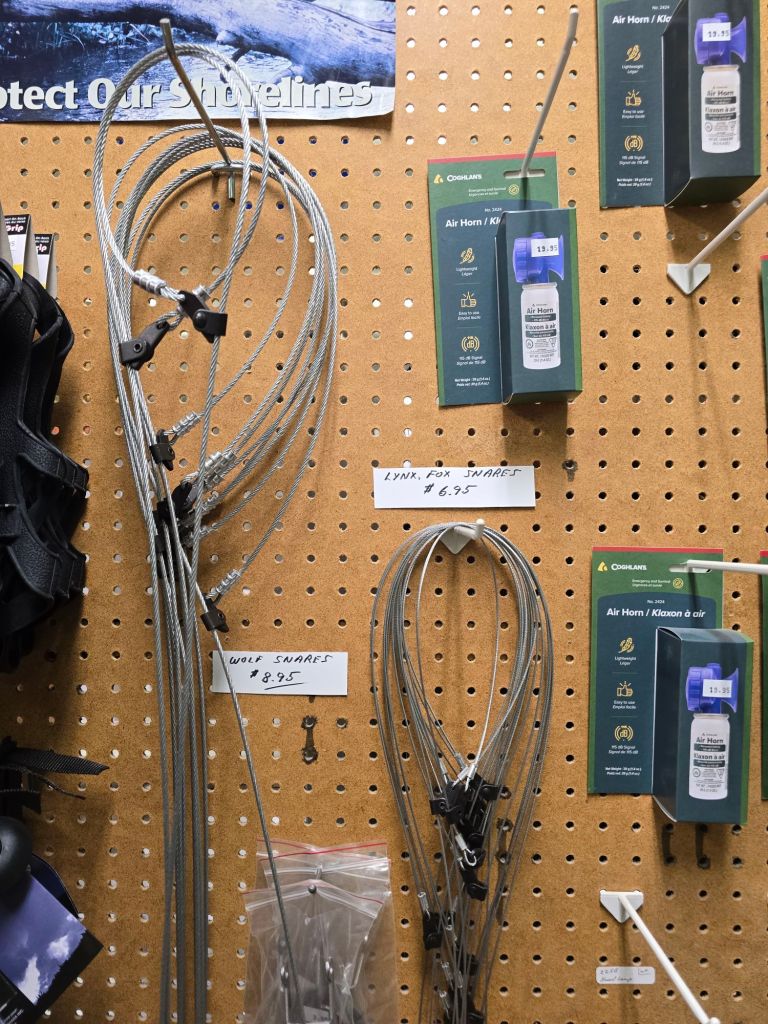
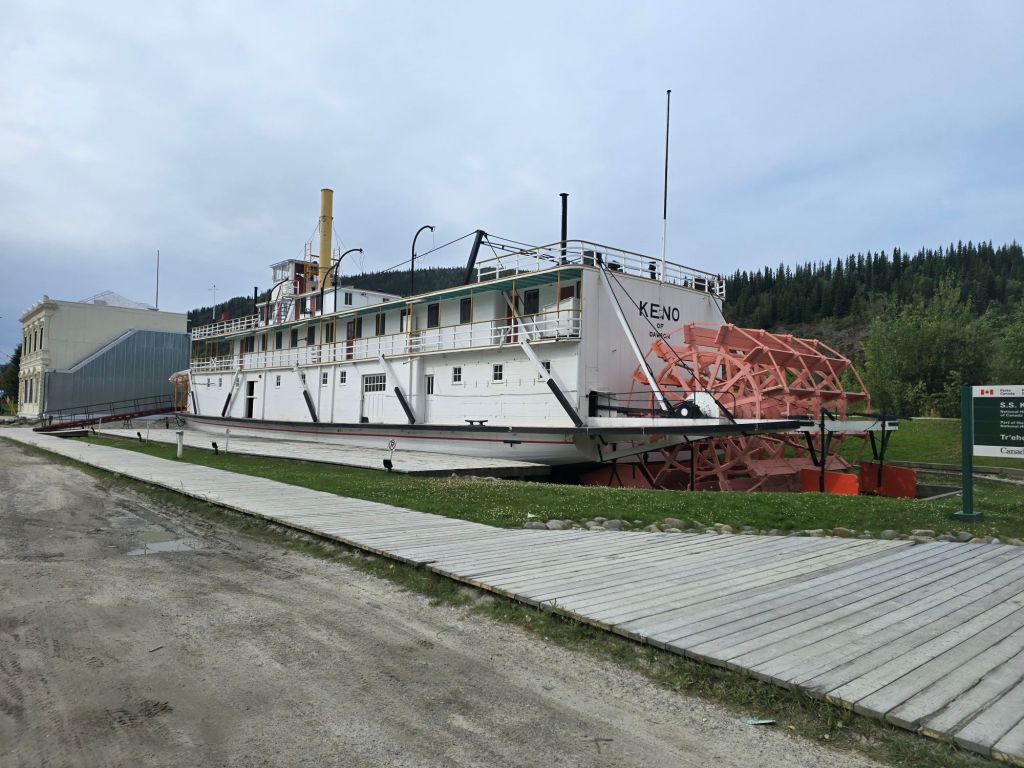
Moss berries are everywhere, and are very popular with bears and martas.Dawson City is mostly a tourist trap, but judging from these items in the hardware store, there are still some sourdoughs in the area.This is the smallest of the river boats that made the gold rush possible. Obsoleted by roads in the 1950s. Parks Canada is restoring many structures around Dawson City. Construction standards were pretty low in the time of the gold rush.
Parks Canada is taking their sweet time renovating and reopening the brothels.
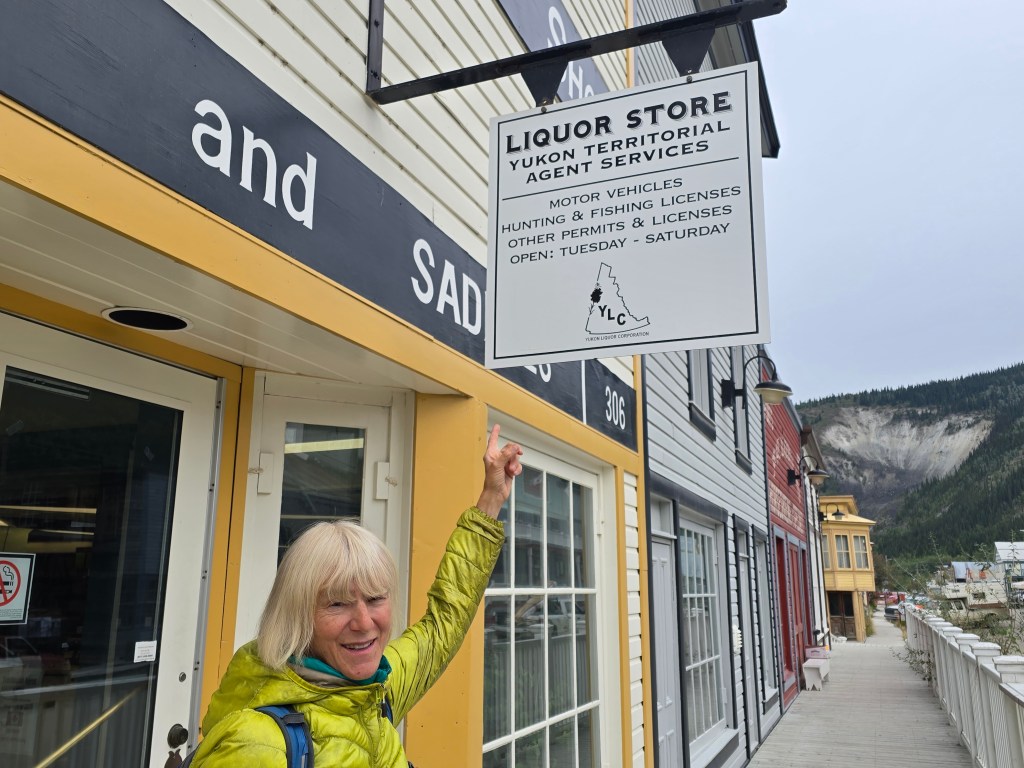
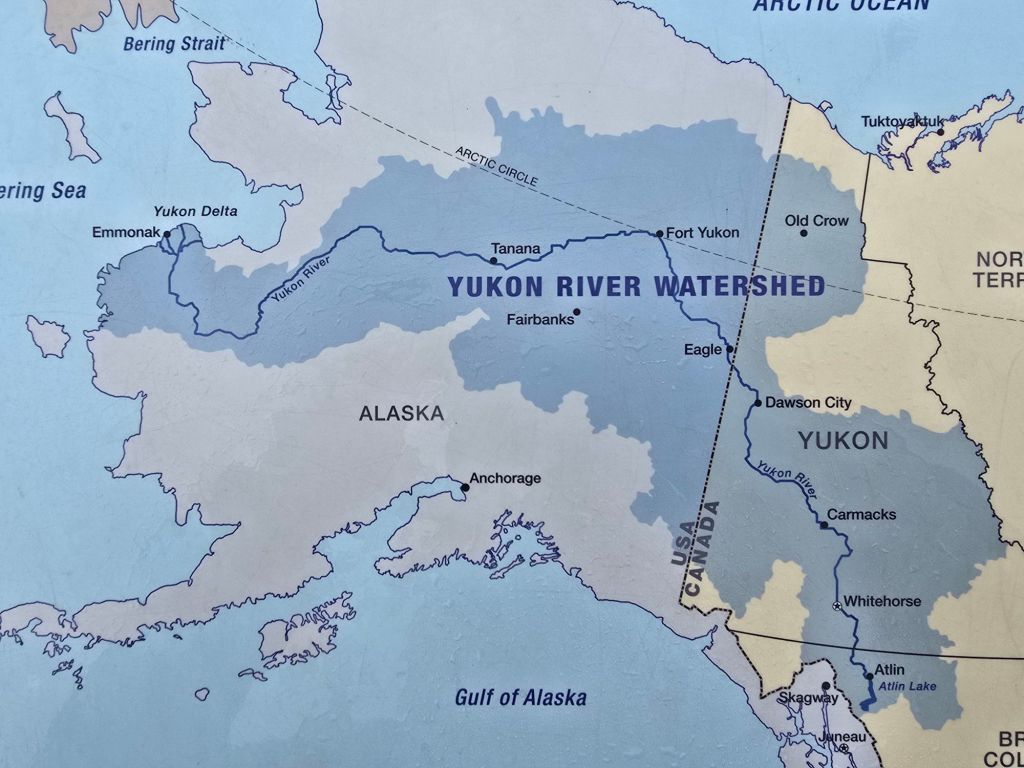
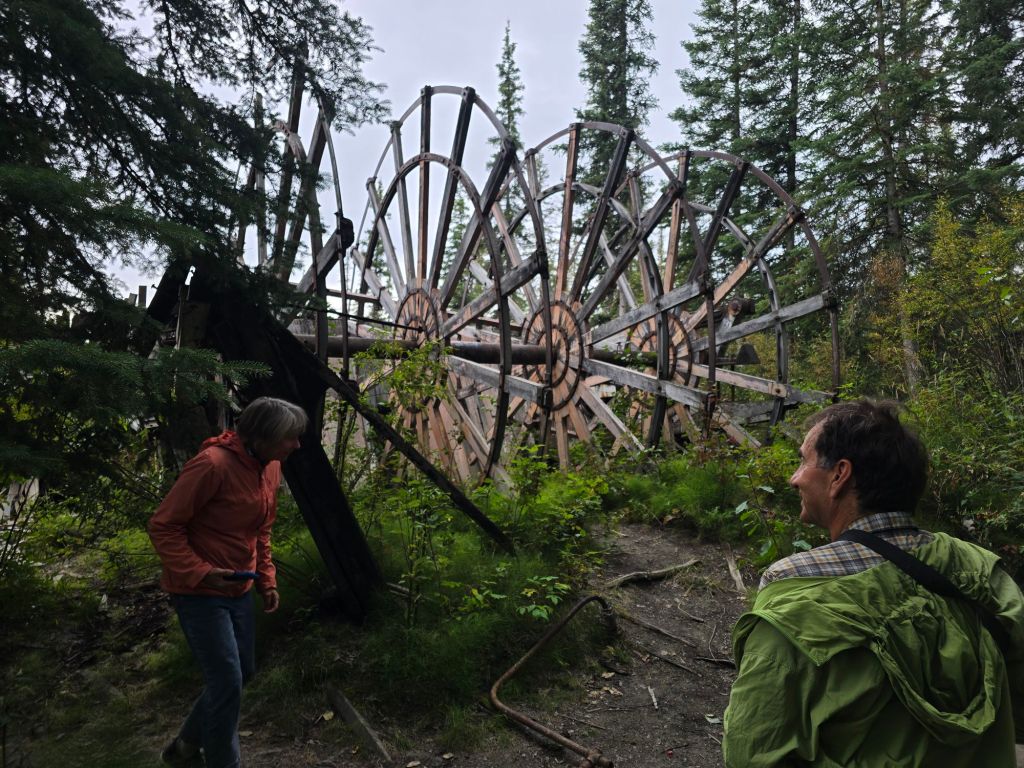
Canada has a complicated relationship with alcohol. The government runs the liquor stores in a lot of provinces, which must seem weird to Europeans used to buying a bottle of wine with their bread and moldy cheese.You can see why River Boats were so effective. The Yukon River was a free highway that opened up Alaska and the Yukon.We find the bones of four more stern wheeler river boats rotting away in the forest by our campground.We meet up with Saul and Judy in Dawson City. Saul hired me as a student in university (year 2000) to work on his idea, which I commercialized and turned into Phidgets Inc.
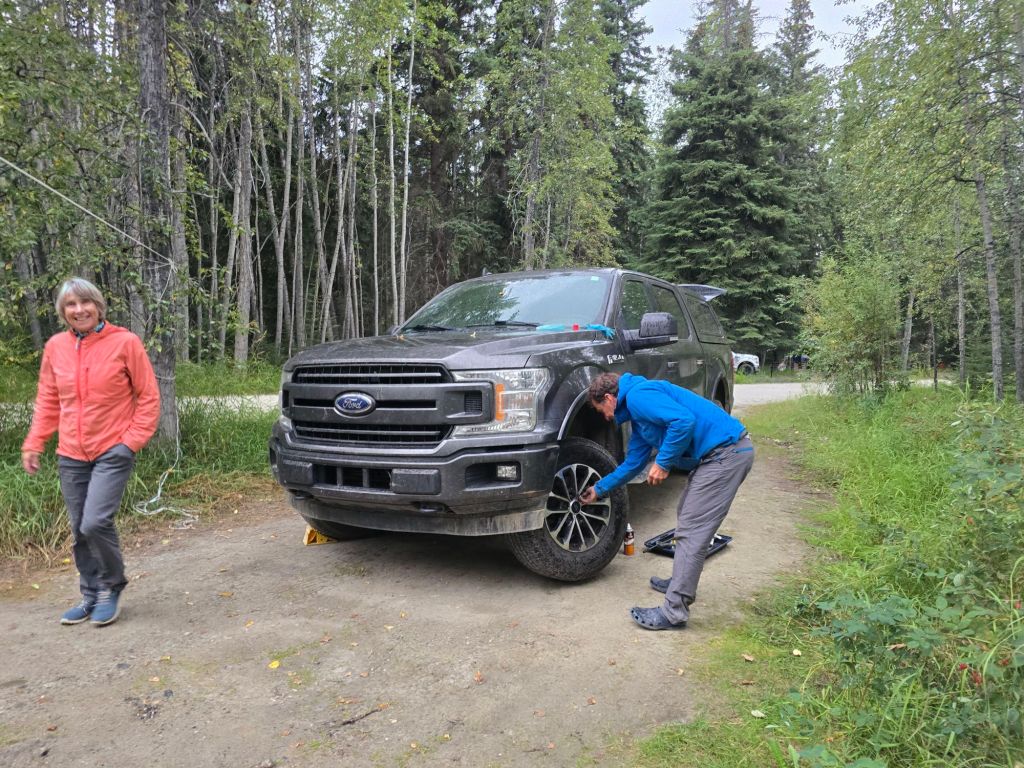
Saul’s Ford F-150 was making a bad brake noise, which we quickly diagnosed, but new brake pads were 500km away. Unbelievably, the guy in the next campsite had a new set of pads! That’s one advantage of driving a common vehicle.
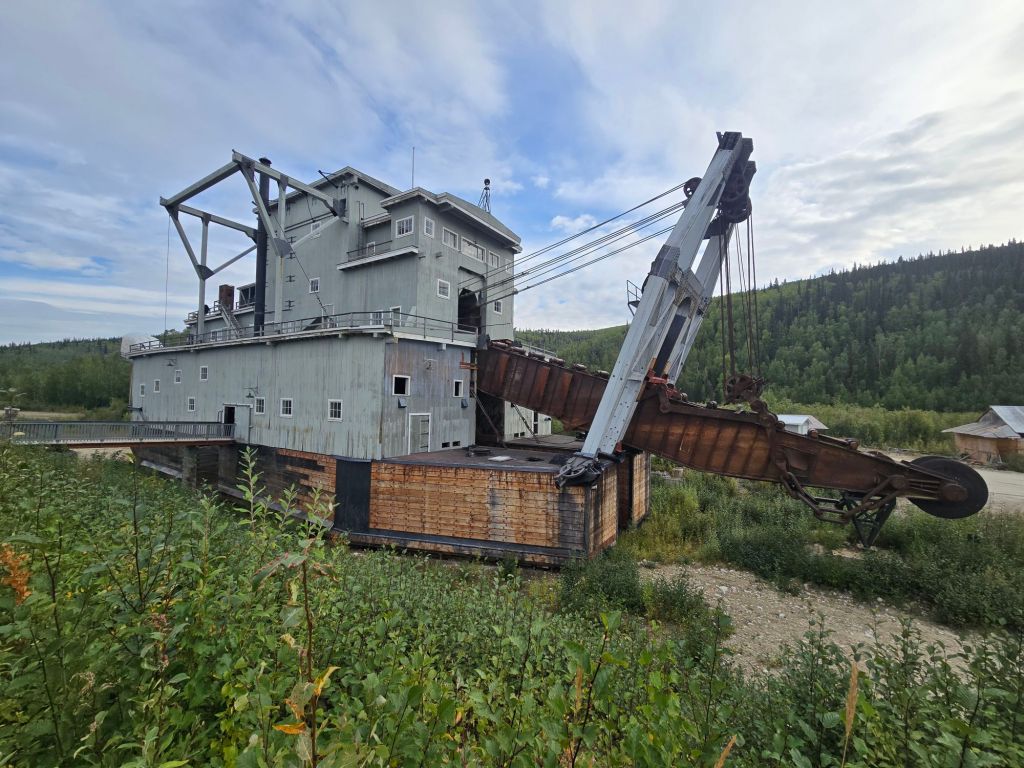
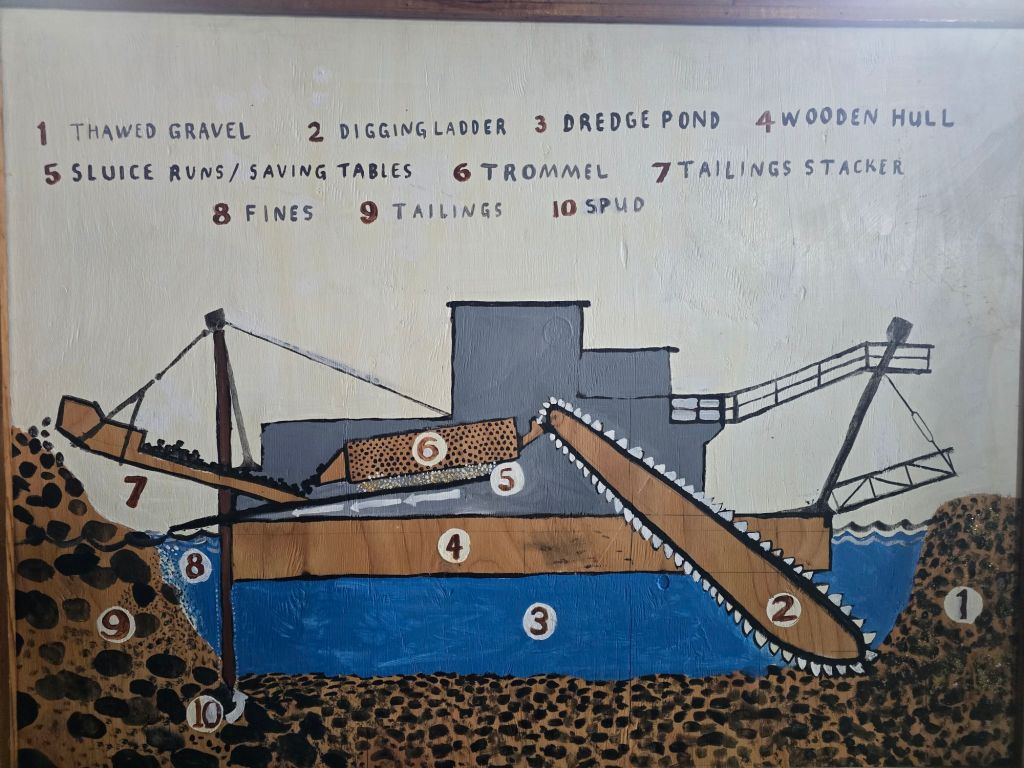
Parks Canada has restored a huge gold dredge. The Klondike Gold Rush turned corporate very quickly, and the mining was dominated by very large machinery.A gold dredge is a boat that makes it’s own lake, digging up the creek bottom to sluice for gold dust.
This particular dredge dug up 200 million tons of rock to get a bathtub full of gold. Extremely slim pickings, even by modern standards. Unbelievably, they had to thaw the permanently frozen soil before digging it up, requiring a 100km aqueduct to be built, bringing in water from the Tombstone mountains. Gold – the metal that we dig out of the ground, so we can put it back in the ground and pay someone with a gun to defend it.
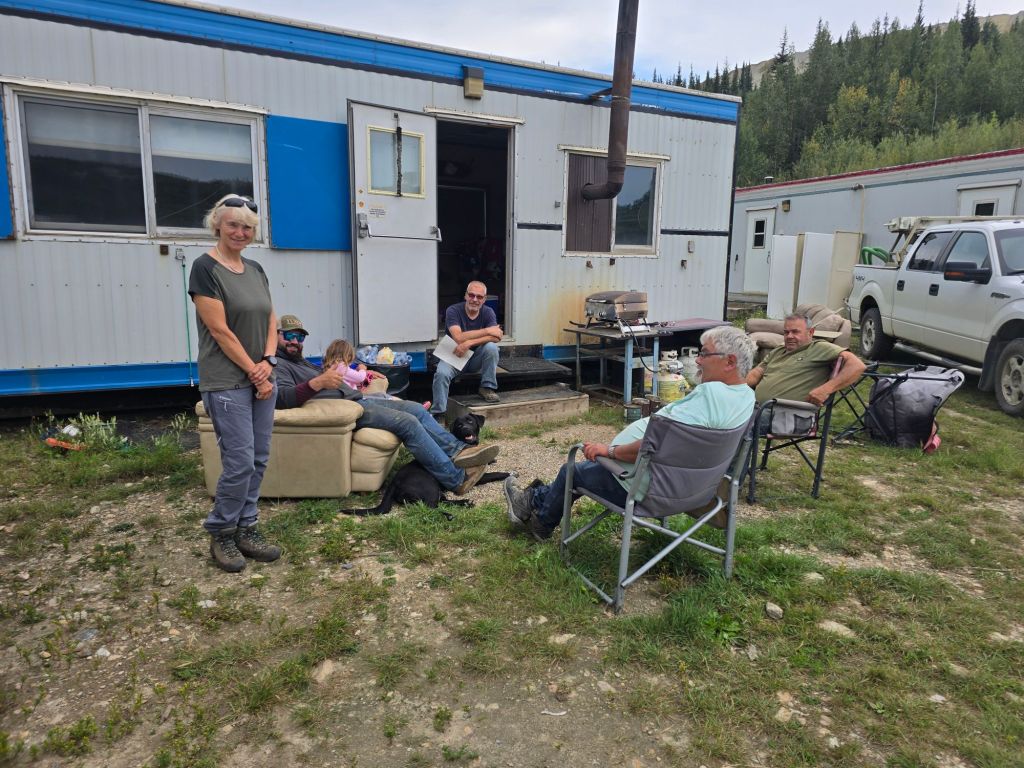
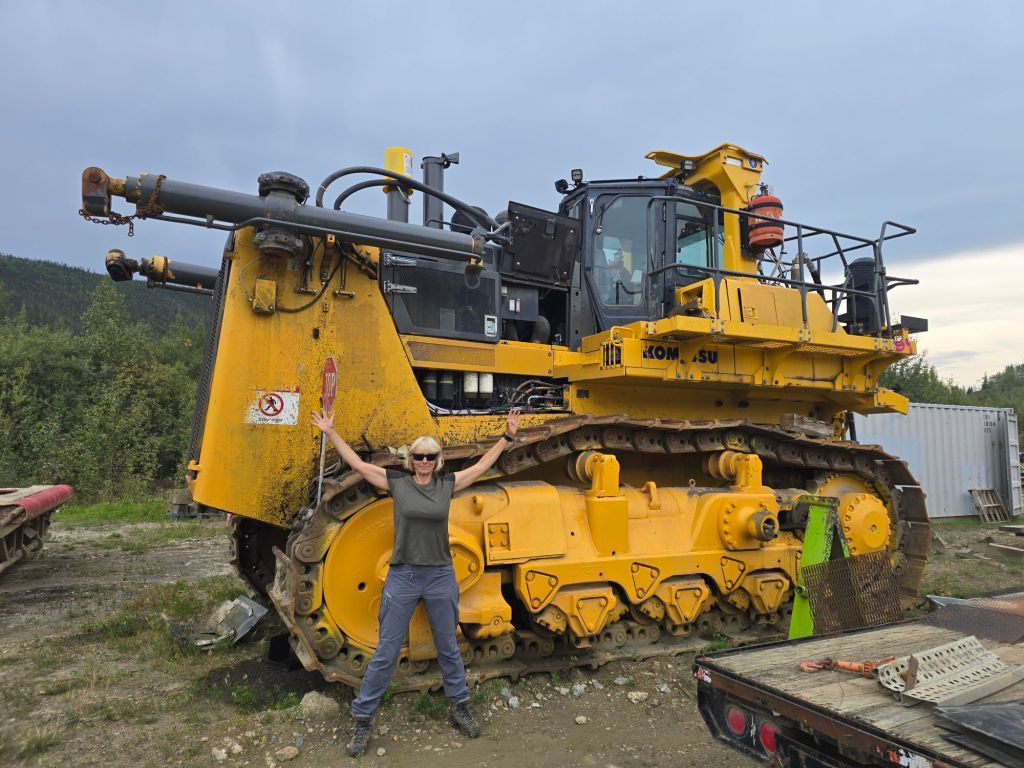
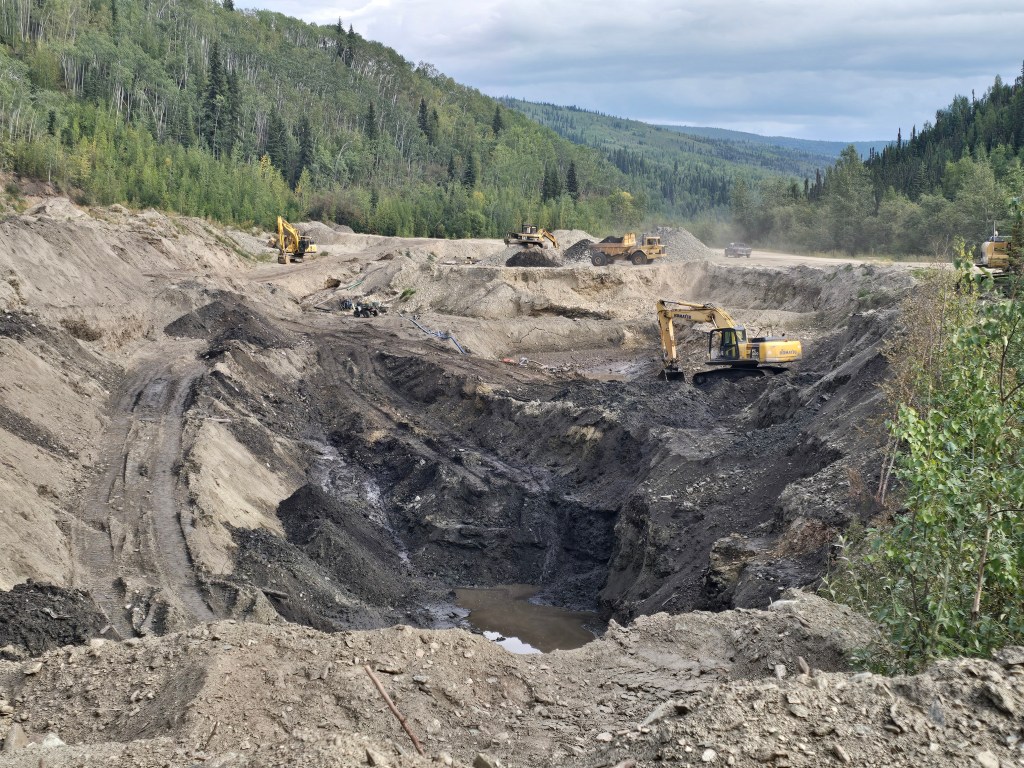
We finally meet some real gold miners, and they don’t shoot at us. The price of gold is high, so miners are suspicious of outsiders.I ask the miners about this big bulldozer, and someone (probably the boss) offers $10,000 if I can make it run.
I’d like to say that I tried and succeeded, but I decided that the odds were low and our friends were expecting us for supper.
Still – normal men regret losing contact with the blonde Scandinavian beauty they met on a train. I regret not taking the chance to rescue a 100 ton Japanese super-dozer…
Modern gold mining in the area is surprisingly small scale compared to the dredging operations of 100 years ago. They must be much smarter about targeting very specific ancient riverbeds.
This is all that remains of the railway that was pushed through the mountains 125 years ago. A short tourist jaunt from the Alaskan towns on the coast. I think these locomotives are original… (joke)
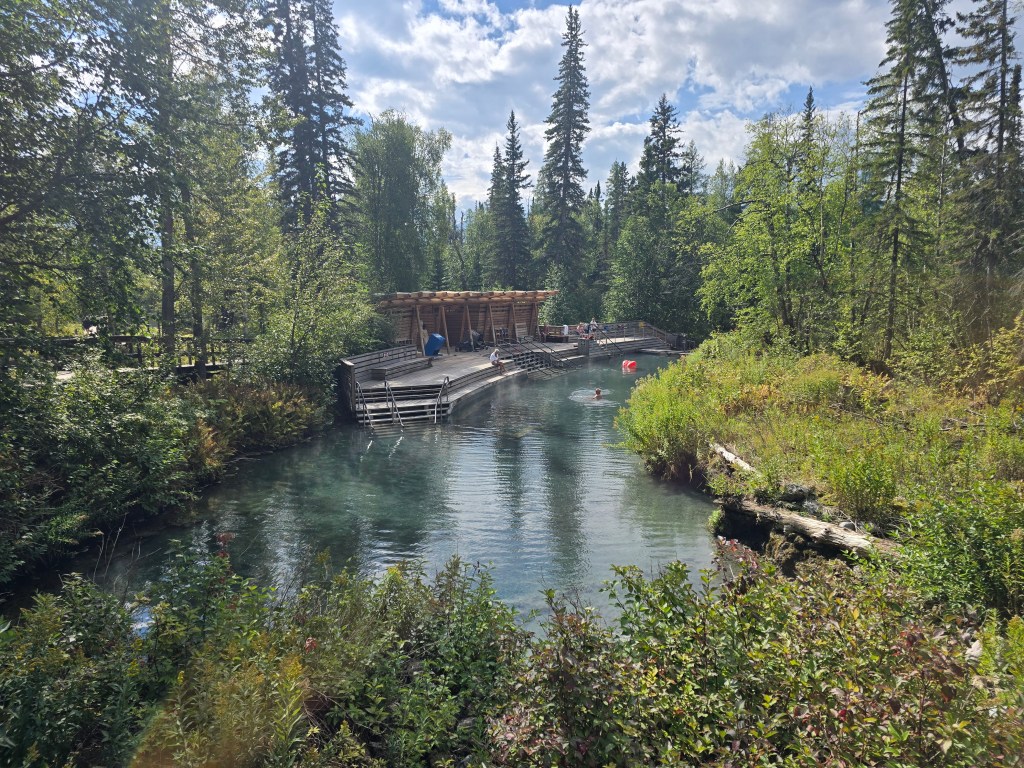
Pretty chilled out animals, but I’m happy to be in a car…Liard Hot Springs is a treat.
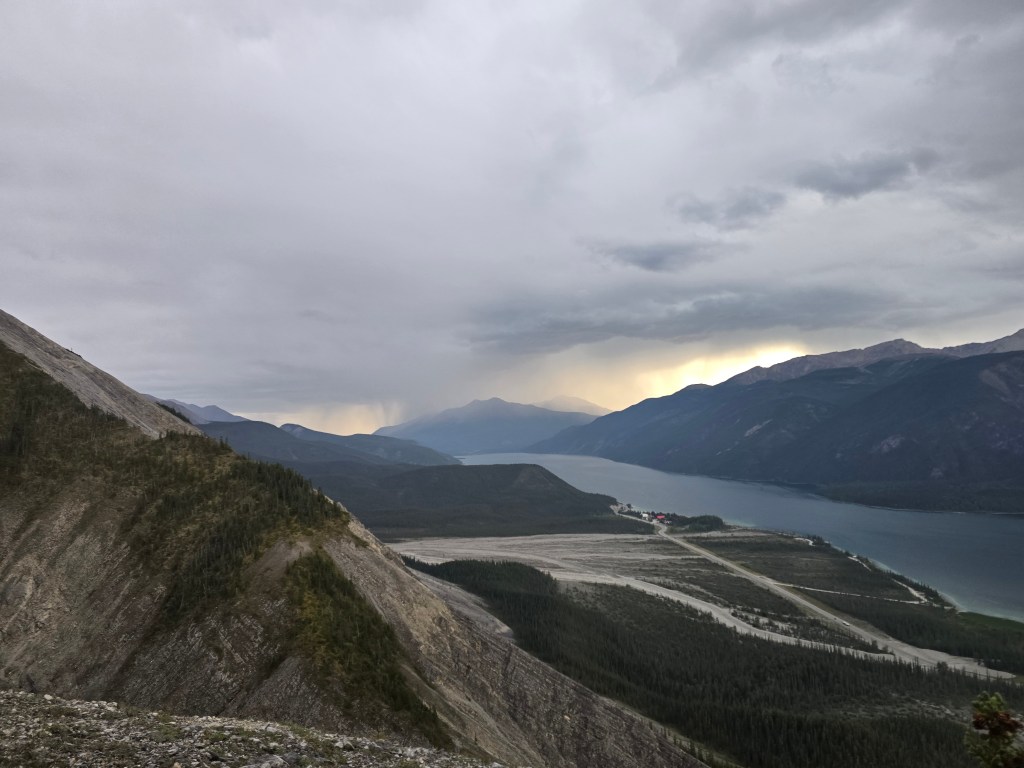
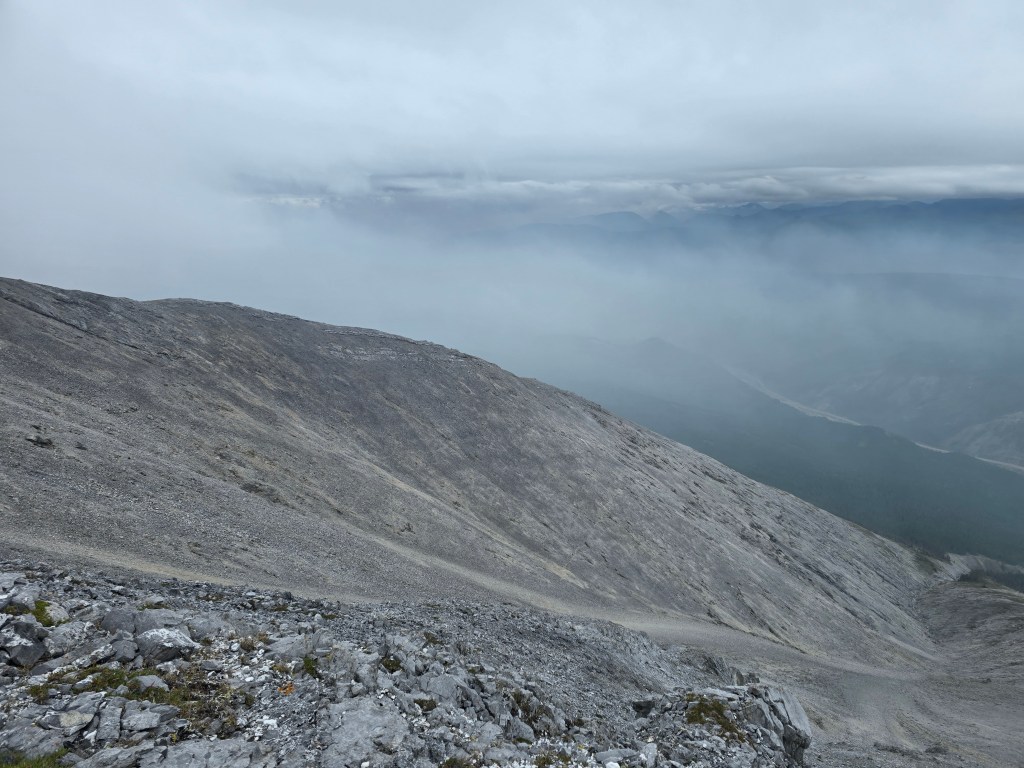
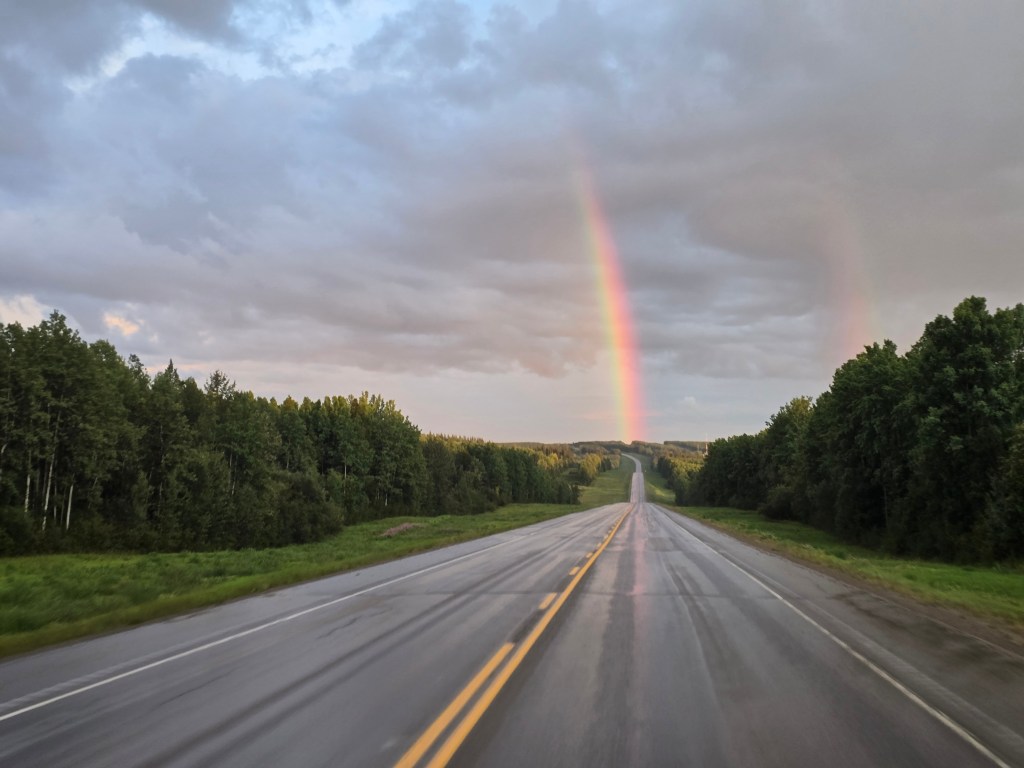
Driving along the Alaska Highway is surprisingly scenic, and we continue to climb peaks, in spite of persistent thunderstorms.As we head for home along the Alaska Highway, we suddenly meet the forest fire smoke we’d been hearing about on the news. We really lucked out, avoiding the fires and smoke that have plagued Canada over the summer.A good photo to quit on. We arrive in Calgary 2 weeks before flying to Spain, so lots to do…
 Marta and Chester's Maleficent Adventures