This country continues to challenge us. I can’t sleep at 3500m and above, vegetation makes hiking below 3500m almost impossible. Our next idea – sleep low, and take a taxi high for the day.
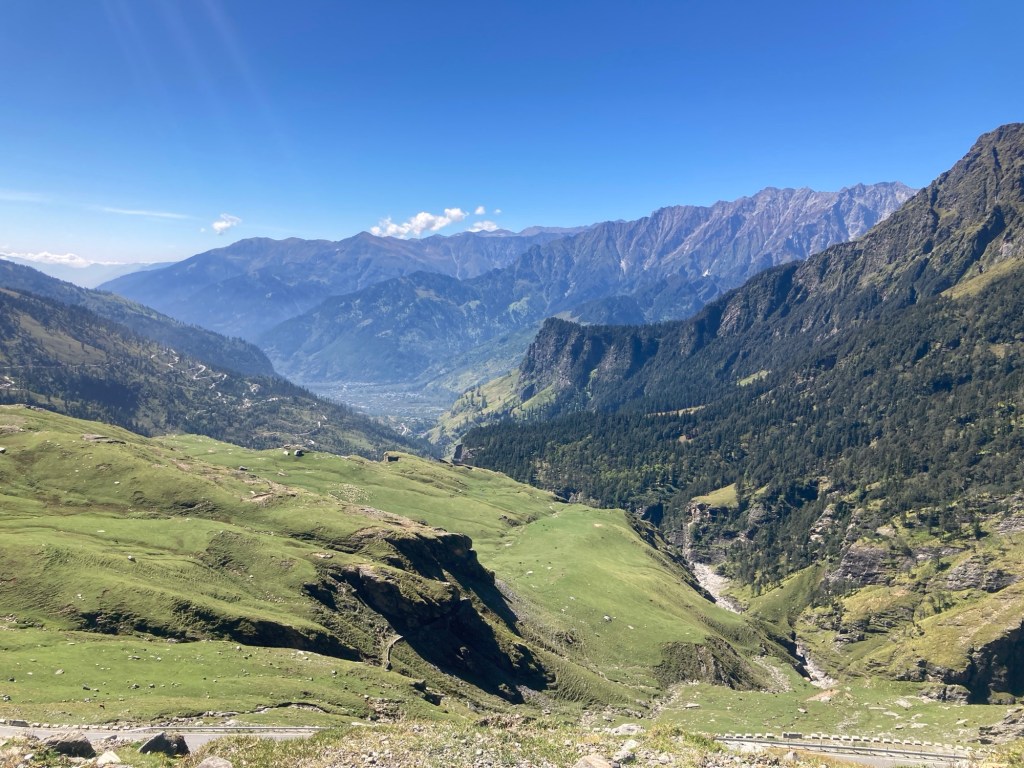
Rohtang La is the old motorable pass into Ladakh, Zanskar and the Spiti valley. It’s been replaced by a tunnel, and the pass is for tourists. Known for 8 hour traffic jams during the peak tourist season in spring.
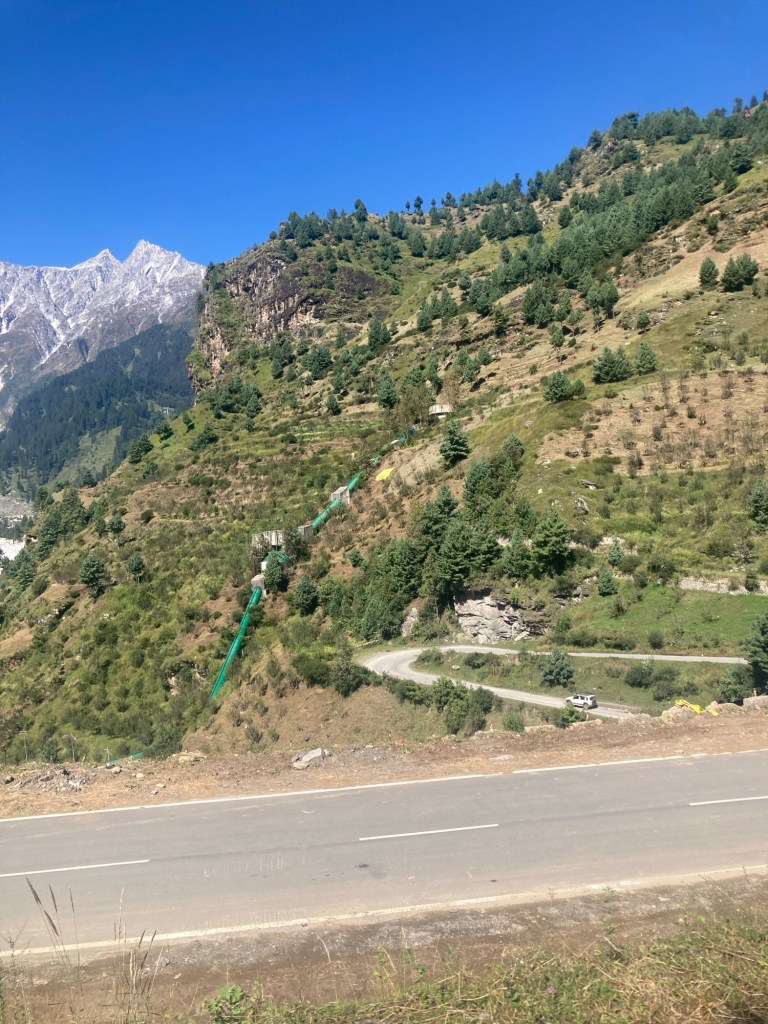
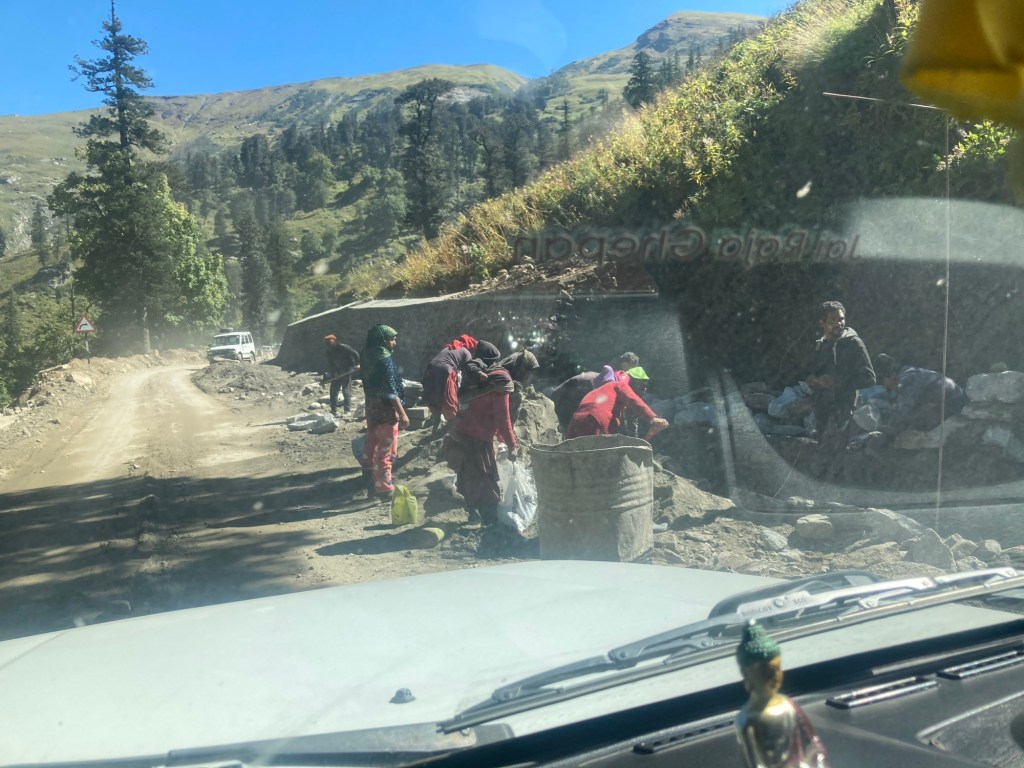
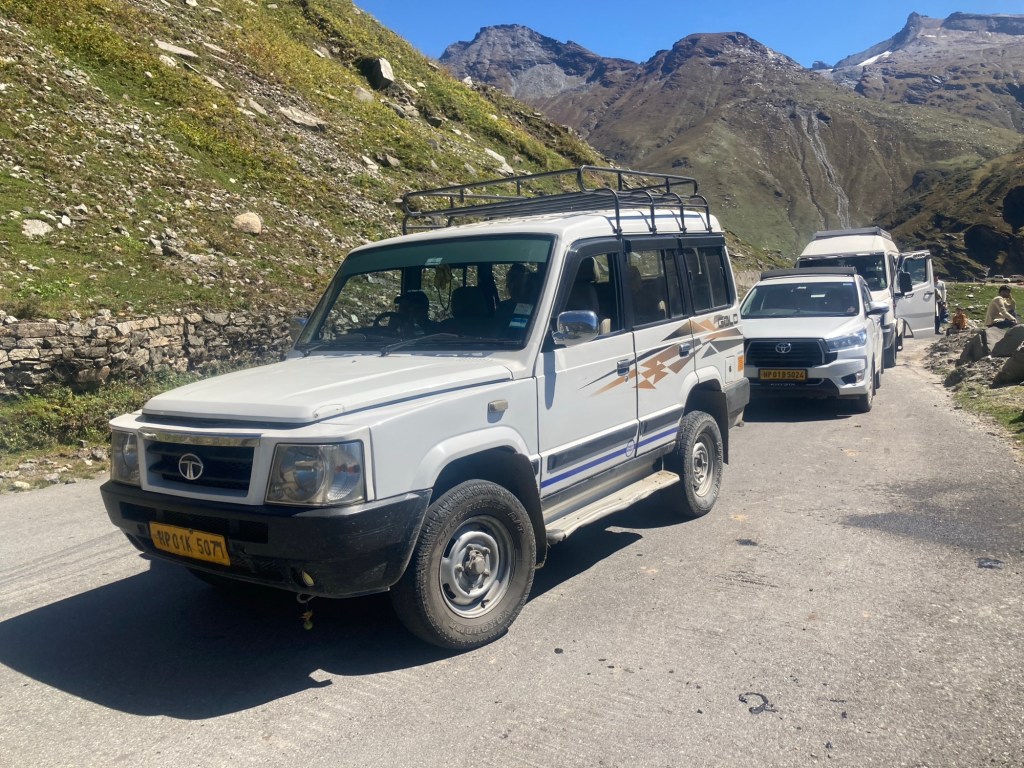
Big pipe for a hydro project. India prefers these run-of-the-river projects, as opposed to dams. Bring your kid to work day. We see lots of women working on these road projects, and they have their children with themOur taxi – Tata Sumo. Another diesel SUV with weirdly good fuel economy. There is a price to be paid – look at the list of most polluted cities the world…
Cars are only about 30% cheaper than in Canada, but maintenance is shockingly cheap. Price to change clutch and pressure plate on Suzuki van? $50 for parts. $10 for labour. Full rebuild of engine, new pistons, etc – $450.
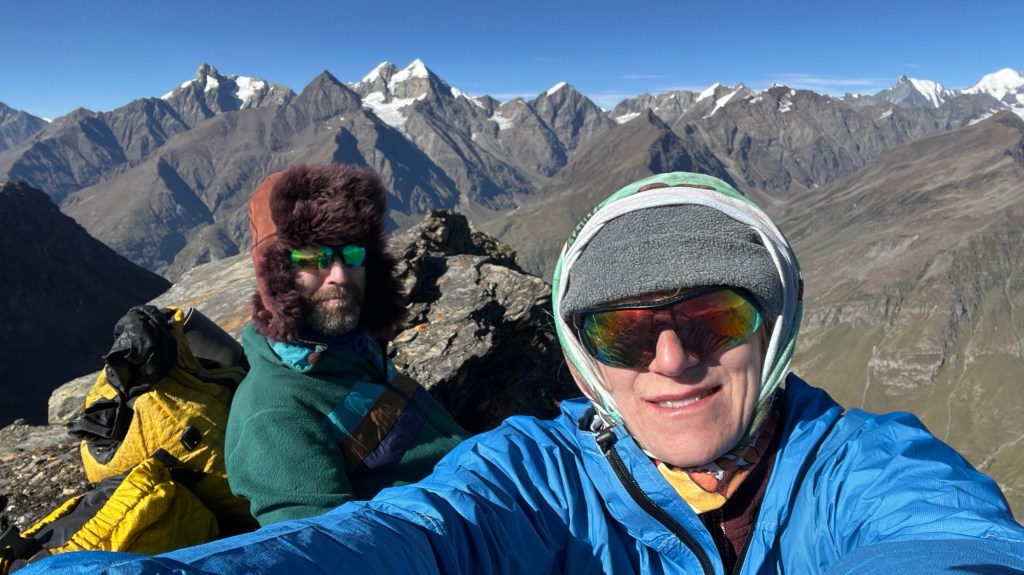
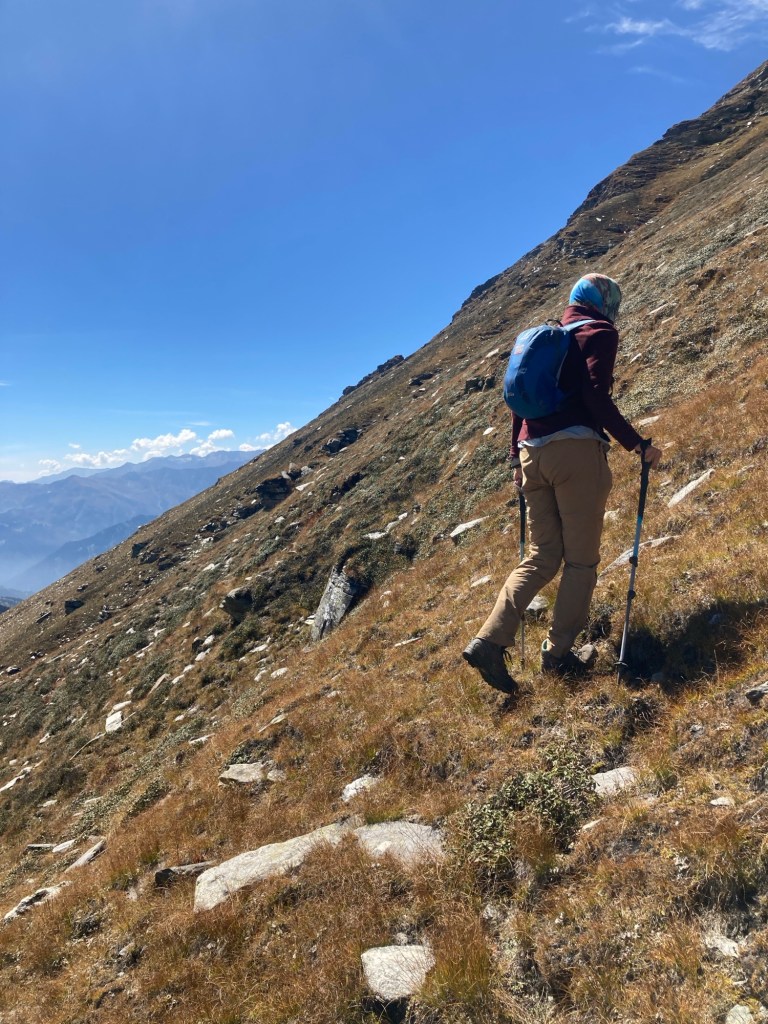
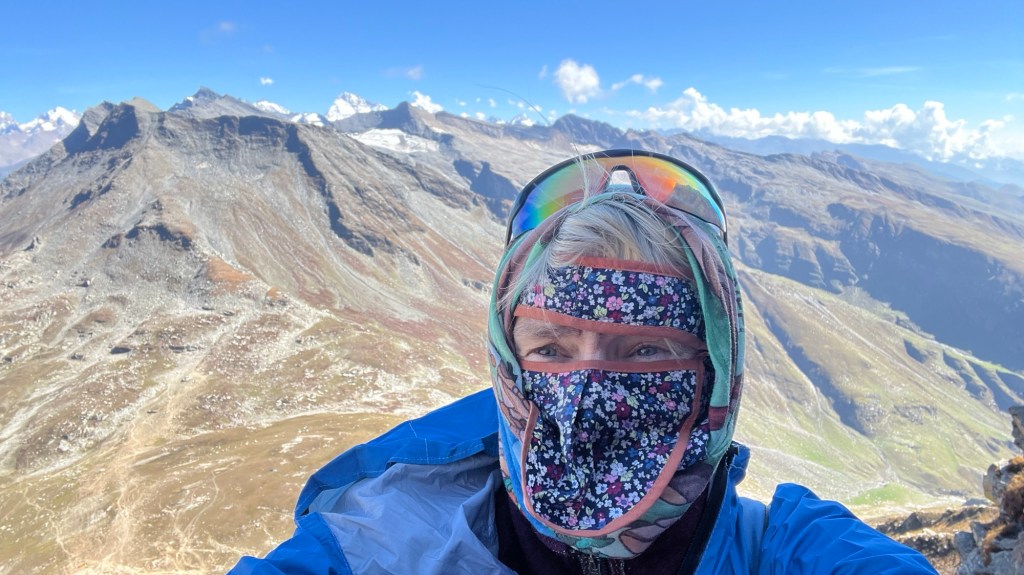
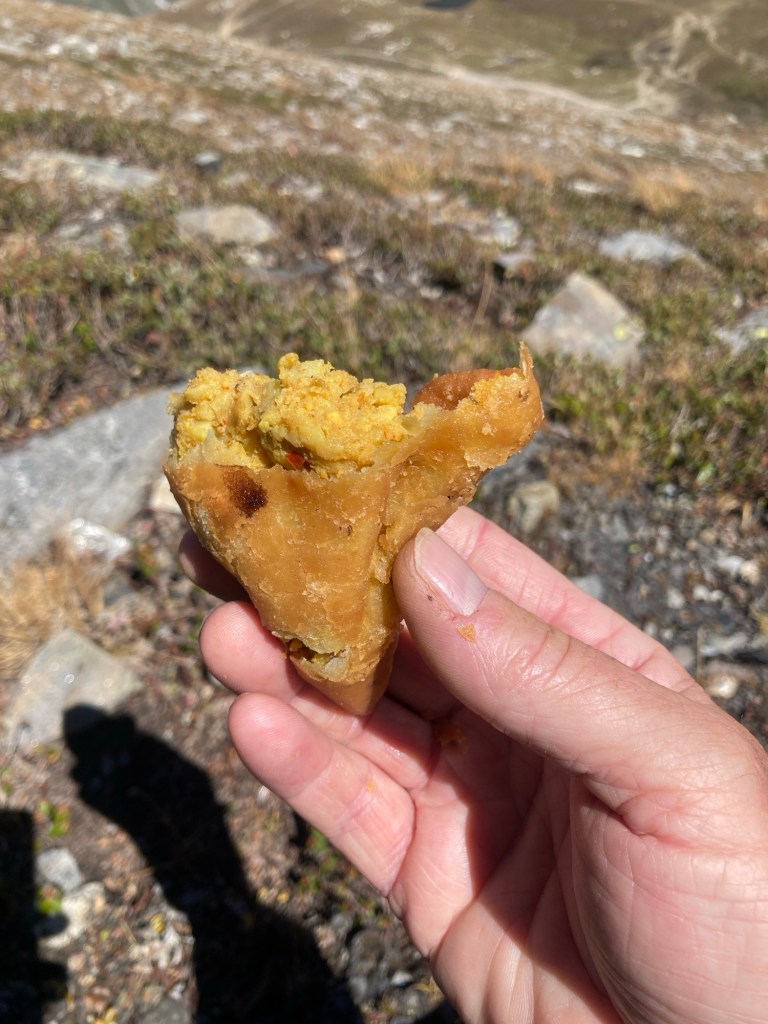
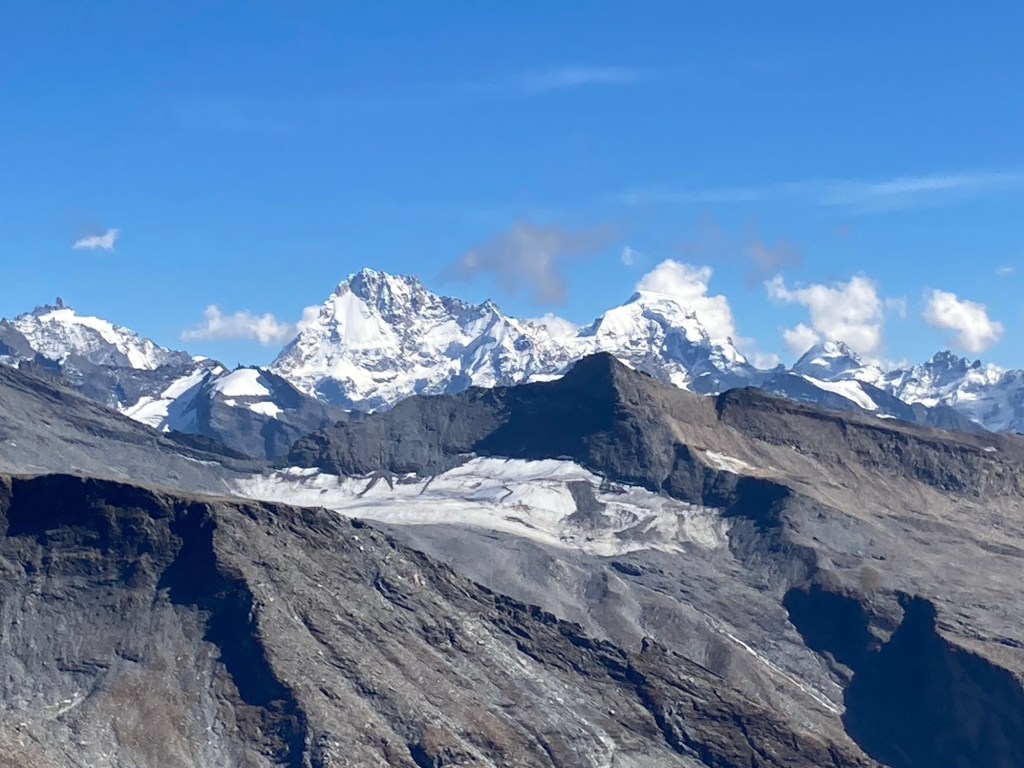
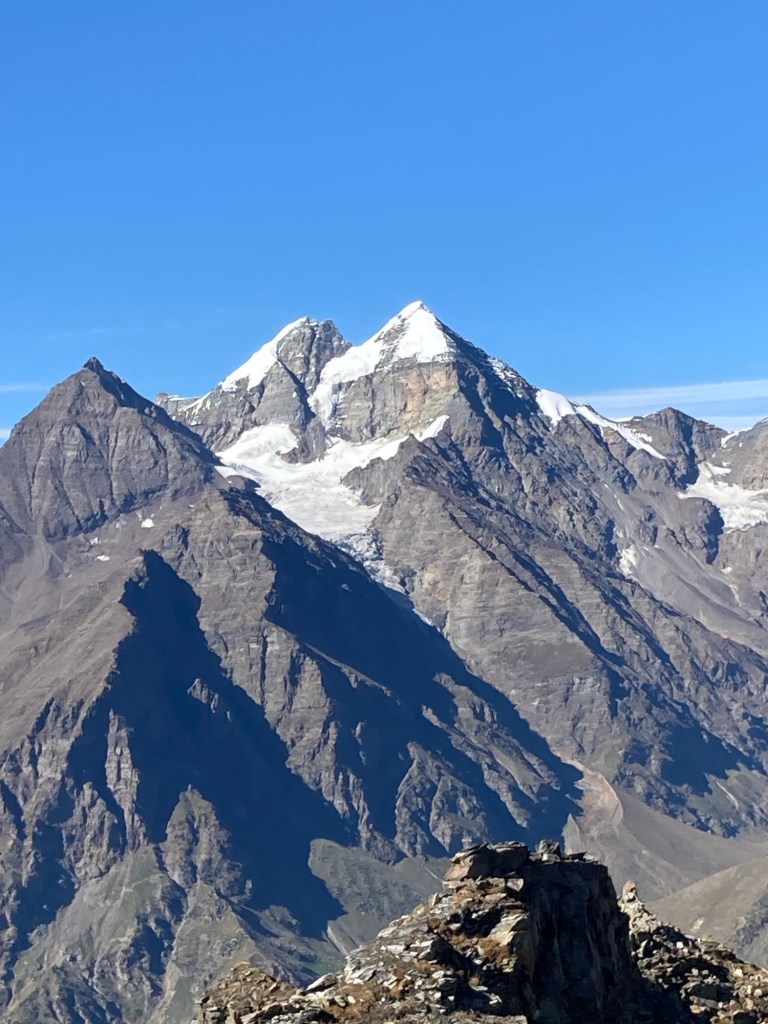
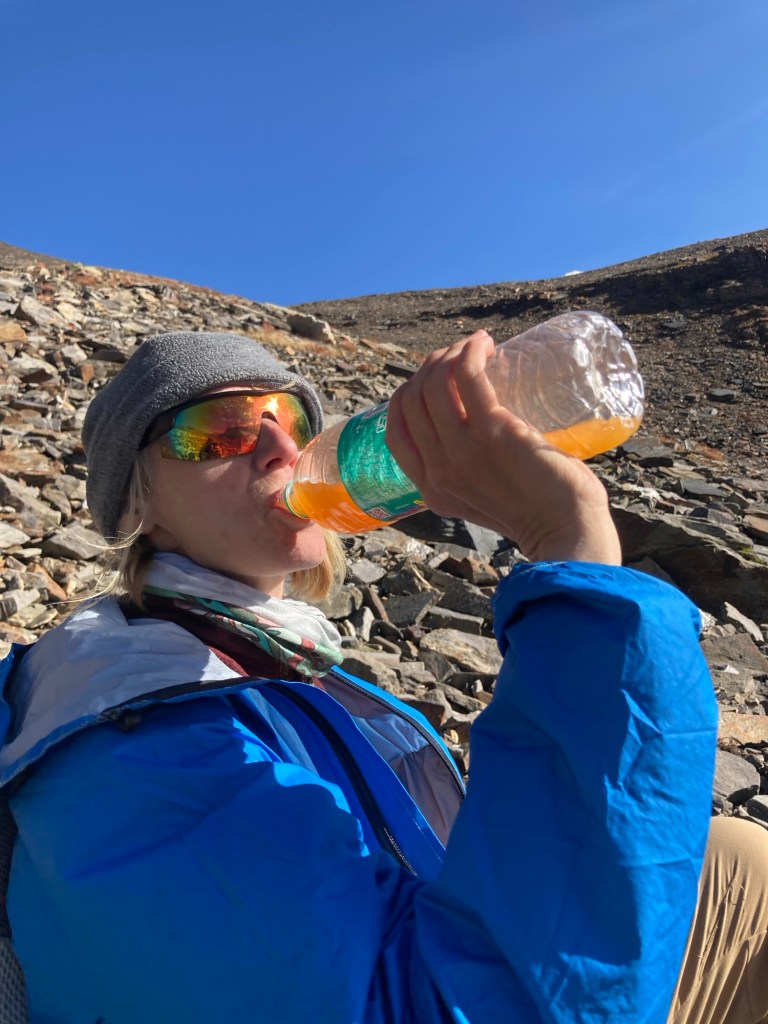
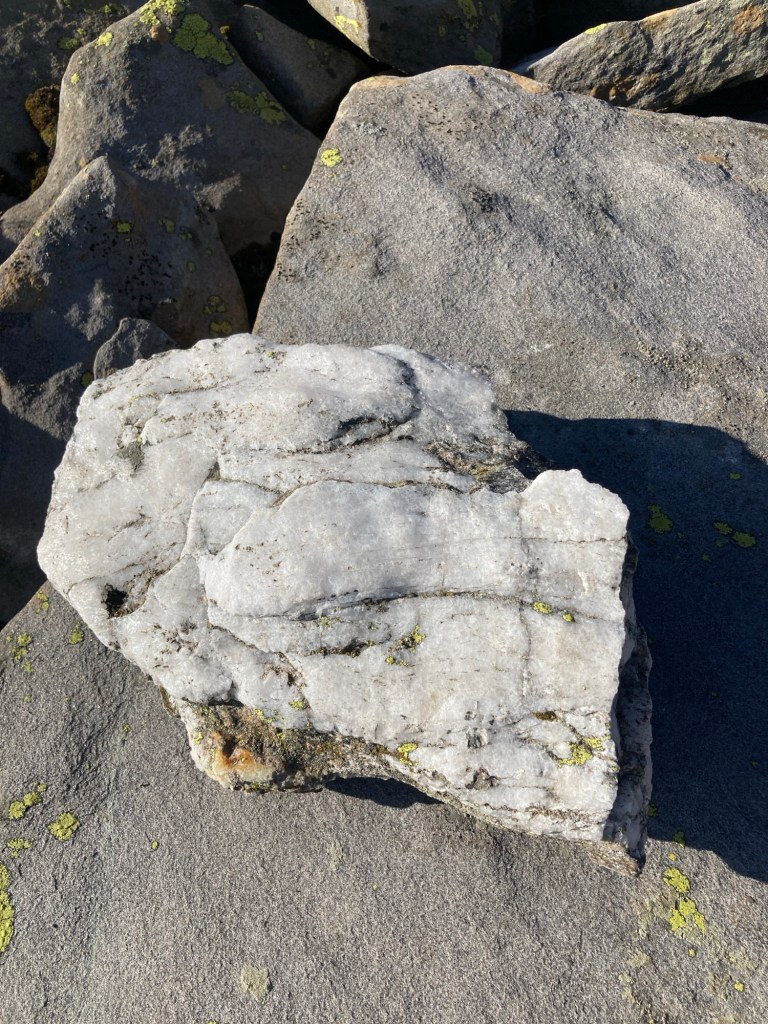
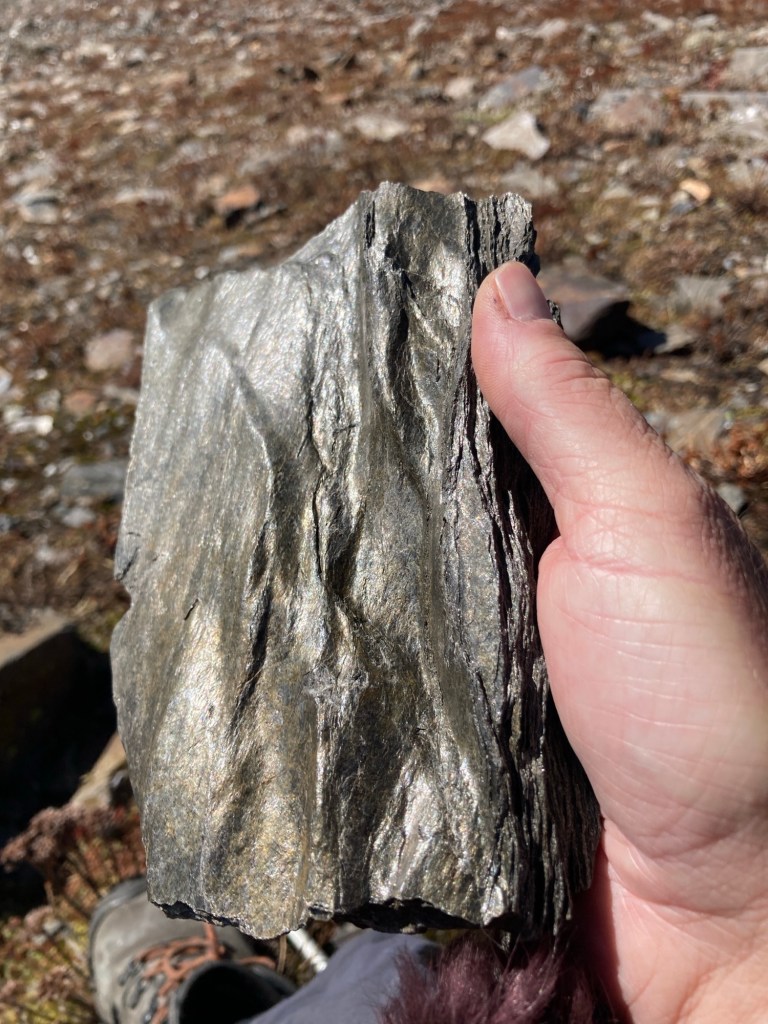
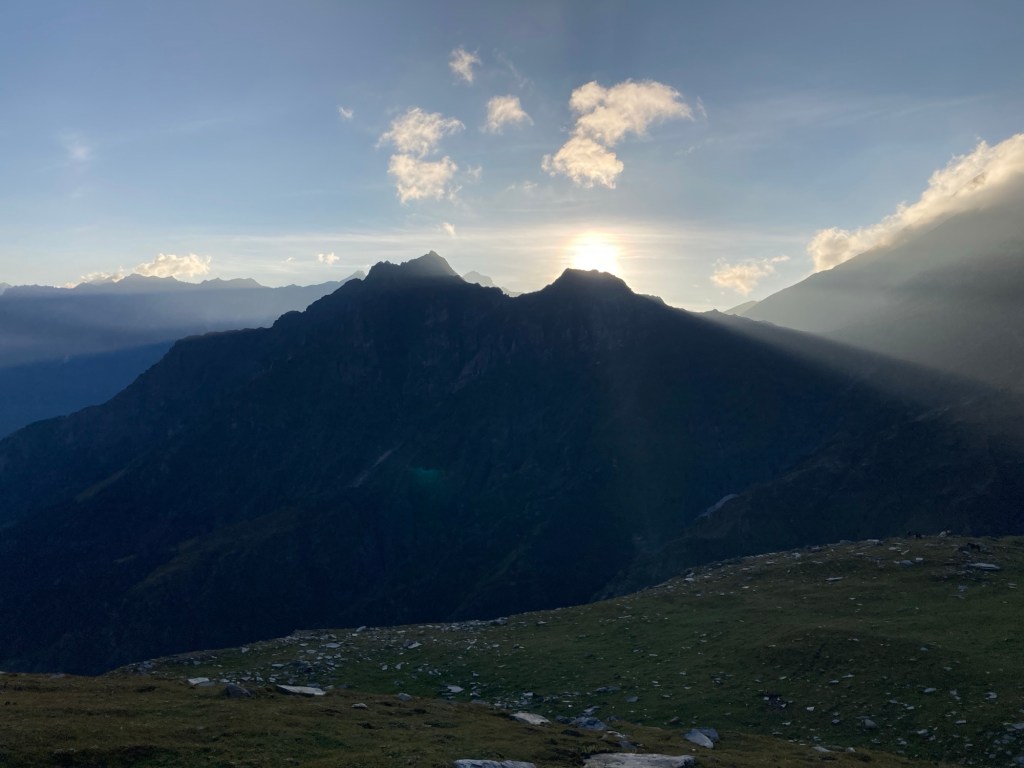
Marta is very popular here. We could eke out a living – 10 rupees to take your picture with the blonde white ladyGrass helps with the footing. Our objective is Beas Rishi, 4600m. Next problem – we are getting bored of village food. Samosas are filling, but I’d go for a Wendy’s right now. Indrasan and Deo Tibba Goplang GohWe’ve been mixing Sea Buckthorn extract with our water since Leh. All goneRocks are amazing. Huge pieces of glossy quartz. Like walking on gems all day. More Mica. Many with these interesting ripple patterns. Phillipe? And the sun is down. We are close to the road, but traffic has thinned out and it’s 30km to town
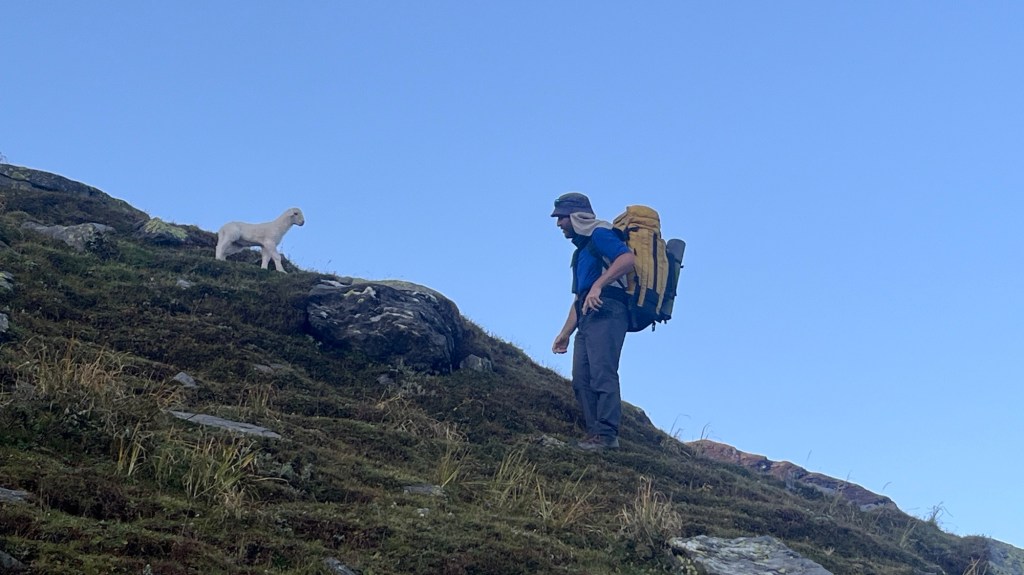
This lost, hungry baby goat approached us as night fell. But what can we actually do to help? We keep walking.
Both the goat and us are at high risk of spending a night on the mountain. Marta works on hitchhiking, and I see a guy walking up the ridge. He speaks zero English, but we make goat noises and hand gestures. Yes, he’s looking for the goat, and just as he makes contact, Marta gets us a ride. So everyone will be fed and warm tonight.
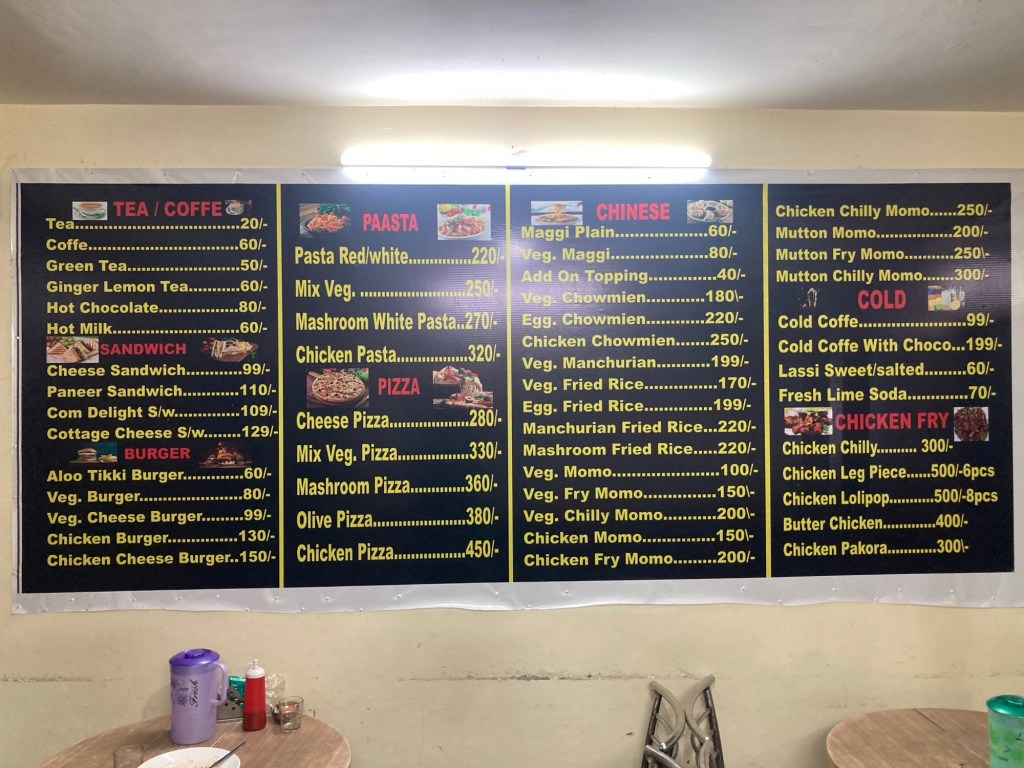
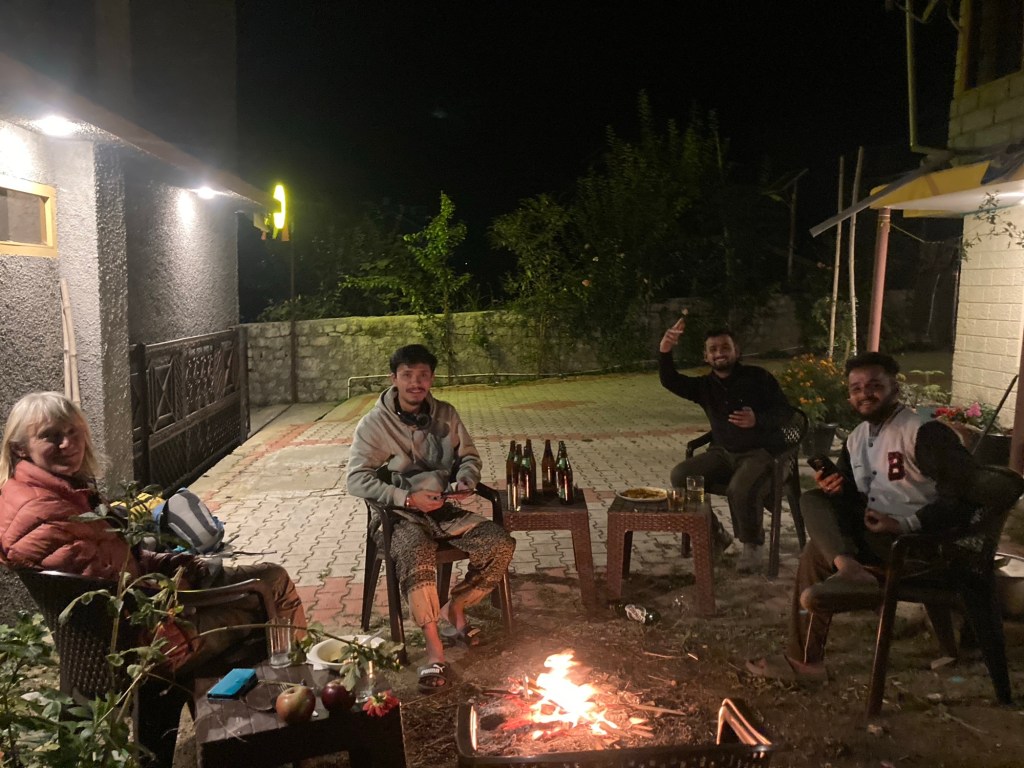
Typical village restaurant menu. Too much variety, so nothing can be prepped ahead of time. 30 minute wait typical. The staff at the neighbourhood hotels are having a Sunday night party. First alcohol in a month.
We ended up staying in the village of Shanag for four nights. Comfortable but time to move on, to Manali. Manali bills itself as the Switzerland of India.
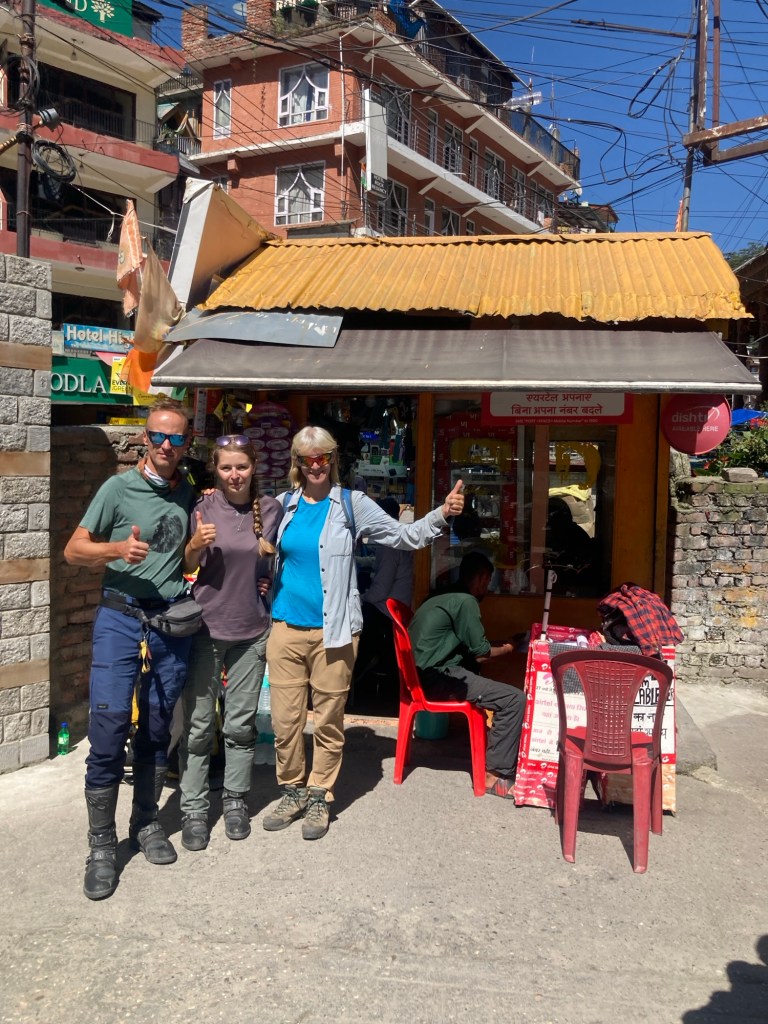
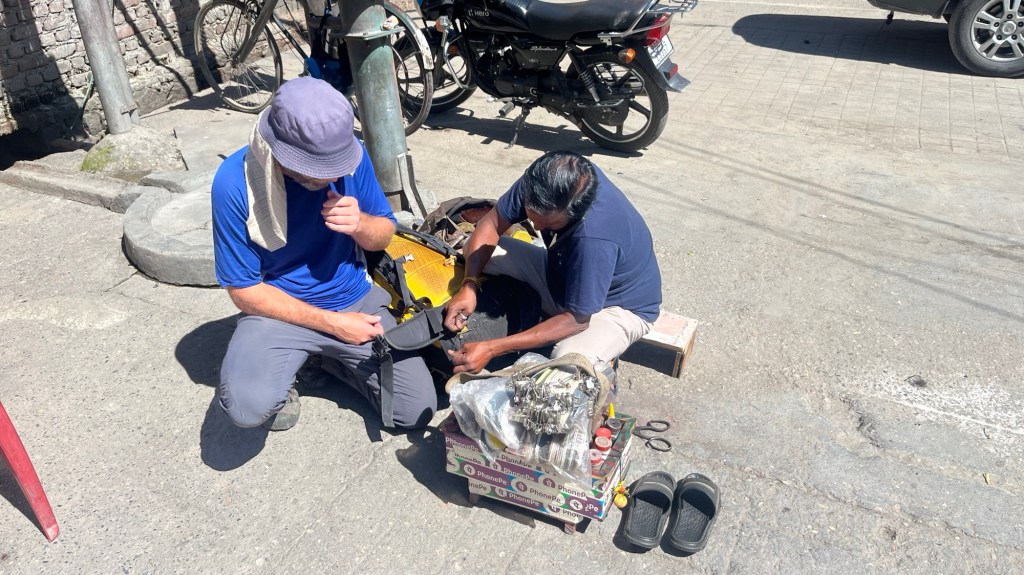
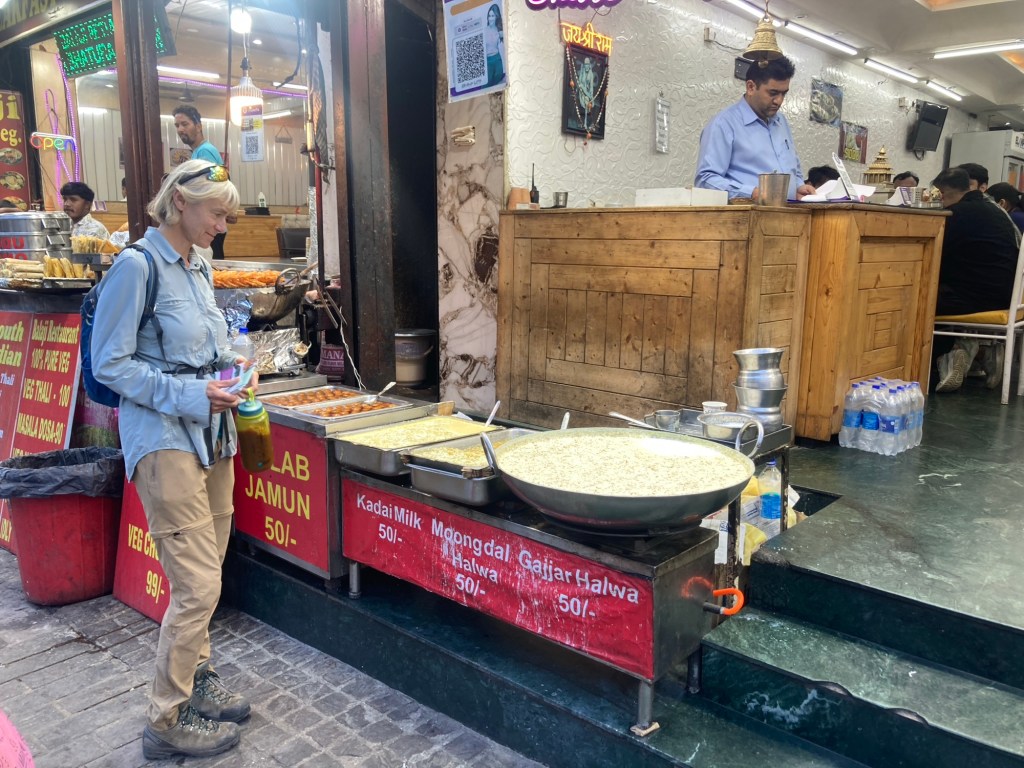
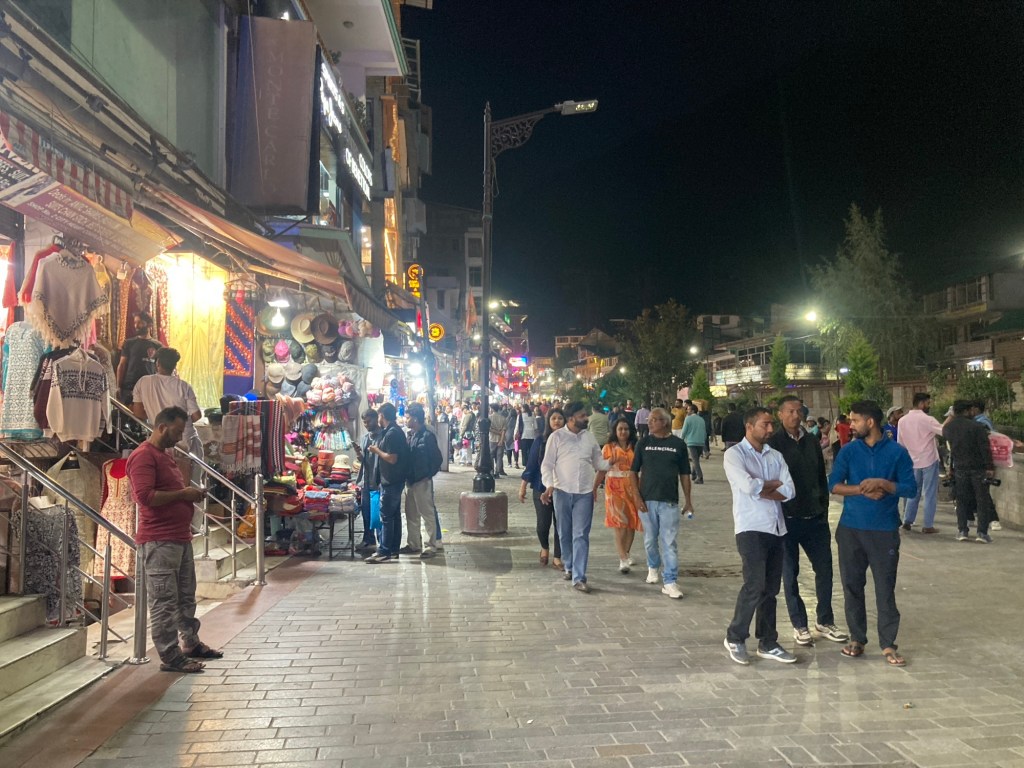
Our SIMs (phones) from Kashmir don’t work here. We meet two Poles who have motorbiked from Europe. Iran was amazing, Pakistan was unremittingly awful. Turns out shoe shine guys are also able to repair backpacks.Now that we are in Manali, there is a lot more choice for food. Much of it sweet. Indians eat a similar diet to Mexicans – carb heavy, deep fried, sweet wherever possible. They stay thin, while Mexicans become little barrels. Tapeworms?Say this fast with an Asian accentManali is a real tourist town. Most of India has daily highs around +36C. It’s +20 here.
Trekking – it’s clear to us that Nepal will remain the king of trekking. The classic circuits in Nepal use villages and trails that have existed for thousands of years. All the Nepalese had to do was build little hotels, an incremental task.
In India, the villages are serviced by roads. The trails were essential 50 years ago, and are now used by shepherds and trekkers. For most trails, there is zero beta. Backpacking food is non-existent. The locals offer guided treks, but they feel very heavyweight to our western ultralight sensibilities. Hiking your own hike is a big effort here.


 Marta and Chester's Maleficent Adventures