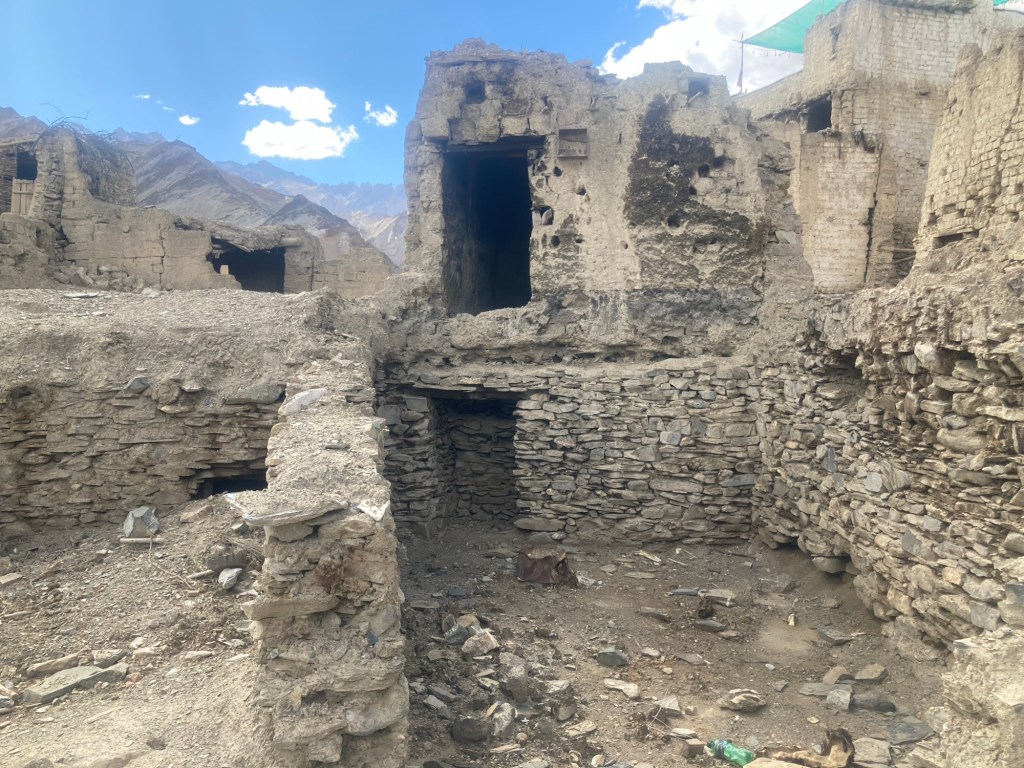
Next up was Lamayuru, a town famous for a monastery with 140 Buddhist monks. We planned to get there by flagging down a bus at 6-6:30 am. A road building businessman foiled our plan by giving us a ride.
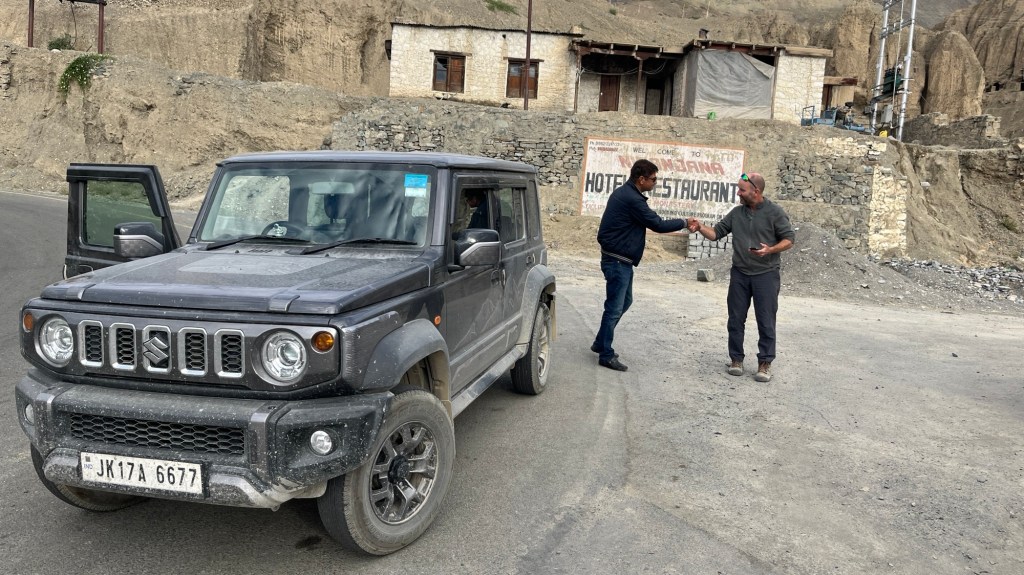

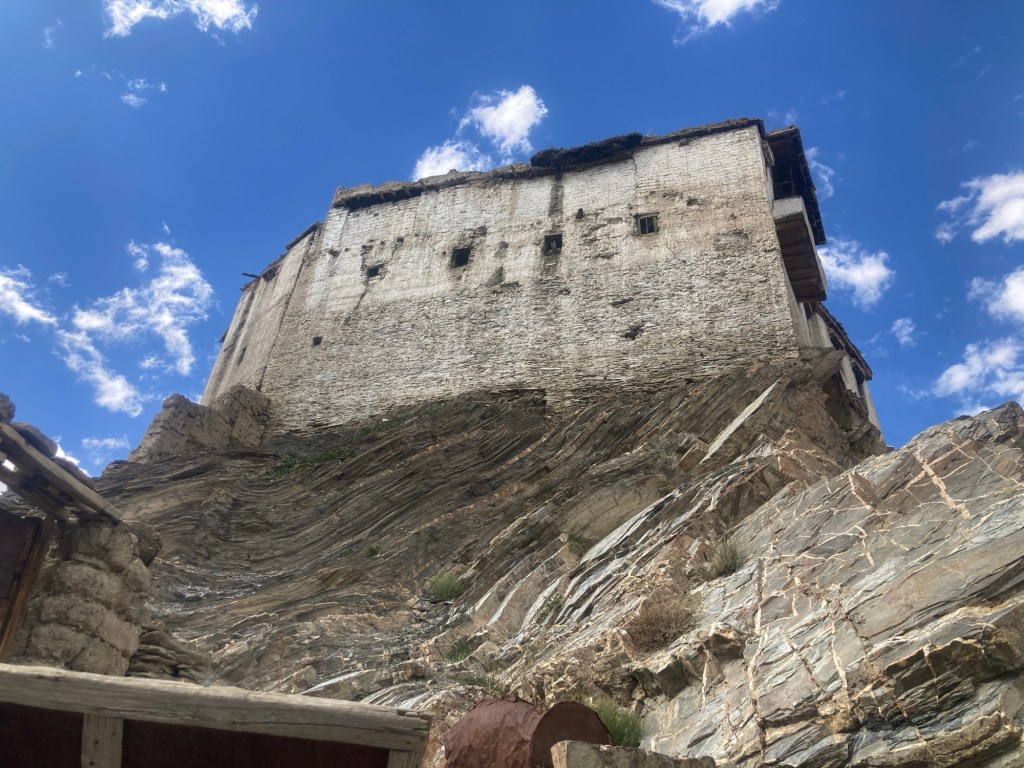
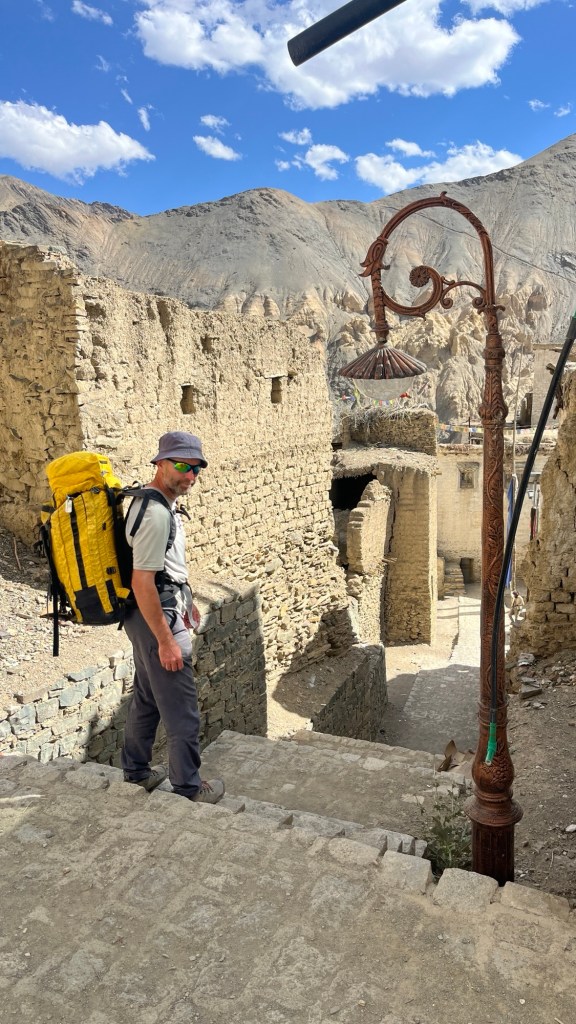

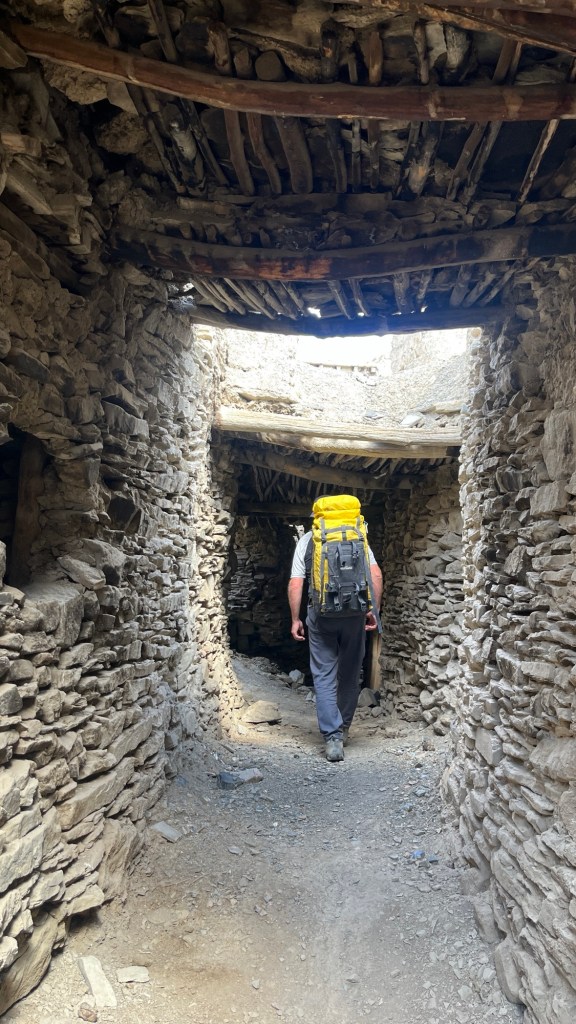
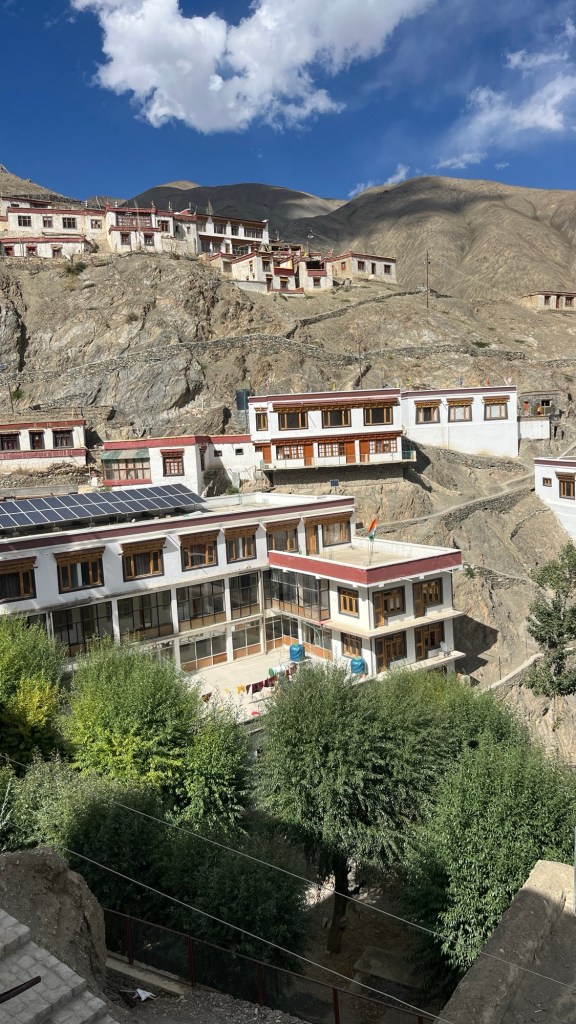
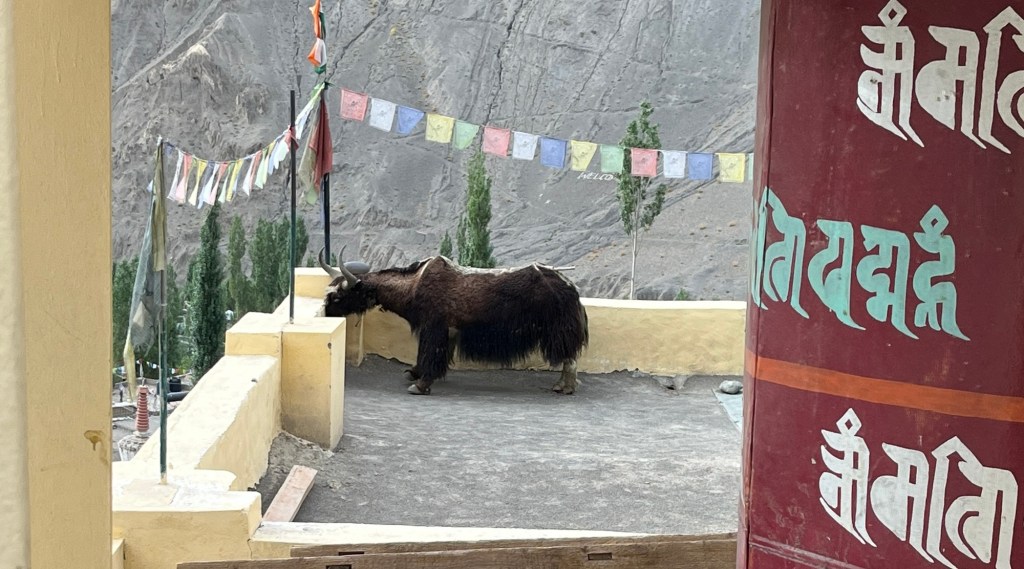

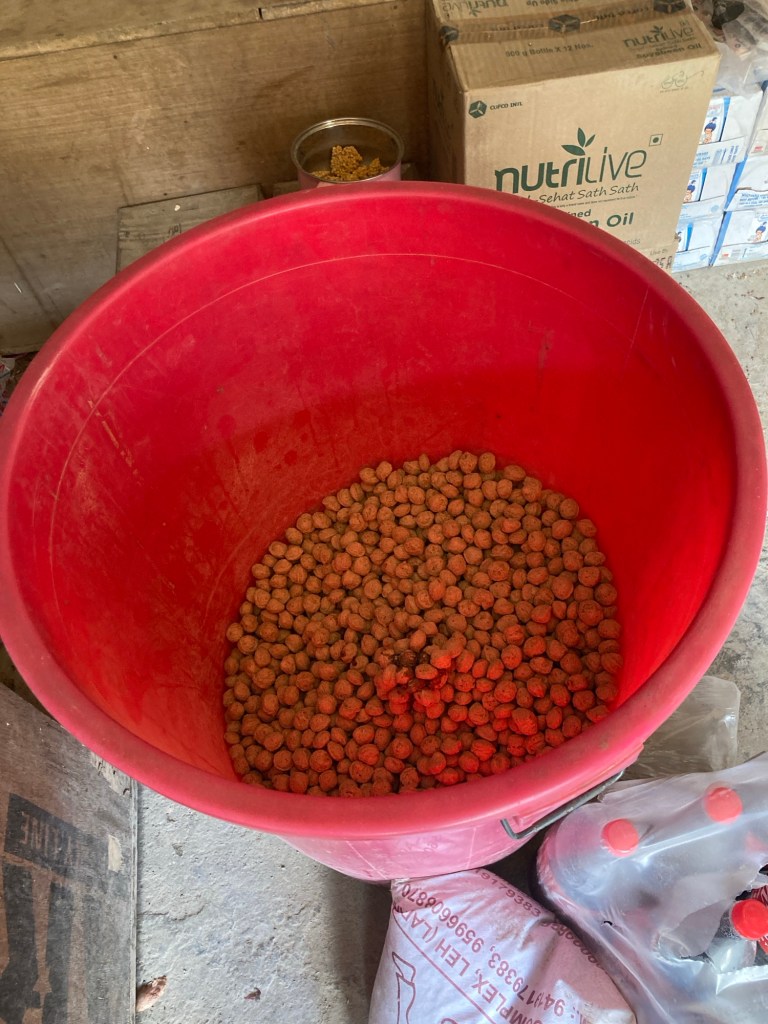
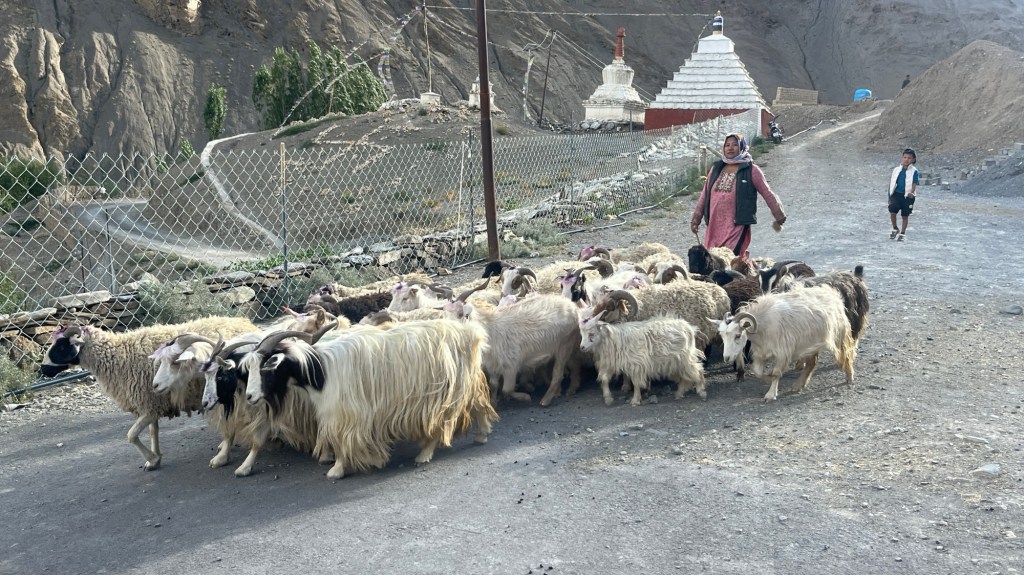
Looks like a fun town, no? We got a hotel with hot water, didn’t die in the catacombs. Yet, I’m still working to overcome my dislike of this town. Lamayuru is an example of a feast or famine tourist town.
India goes on vacation March -> August 15. Kashmir and Ladakh are the only domestic choice to escape the heat and humidity. The crush of Hindu tourists fills every last room, restaurant, attraction. The rising tide floats all boats – there is less incentive to do better. When August 16th comes and the tourists vanish, all starve.
This goes for everywhere in Kashmir-Ladakh, but in Lamayuru we seen it strongest. Every restaurant is like Denny’s – serving up the same menu of Indian – Ladakhi – Chinese – Italian – American food. None of it done well, would be impossible to stock fresh ingredients or keep a cook on staff who could handle such a wide variety of dishes.
To add insult to injury, most restaurants wouldn’t even consider taking our order – they had projects underway, and cooking for us wasn’t worth it.
Fortunately, this is not the case for most towns on our trip. They have more irons in the fire than just tourism.
Lamayuru was amazing to see what can be built with mud. Staying overnight was a waste of time.

Had another hard night at Lamayuru. 3500m. Maybe a little dehydrated. Waking up every 2 minutes for most of the night sucks. Our plan for getting out of town is to flag down the bus from Kargil to Leh, our destination. If we miss that bus, there is a bus leaving from Lamayuru at 2pm. Marta wants to flag down everyone. She makes a sign, while I look for breakfast.

The first four cars signal that they are stopping here. Meanwhile, the first restaurant has no cook, and the alternative they recommend is closed. The fifth car stops – screw this town, we are out of here.
Our ride is one of those cute Suzuki vans, and is legally some sort of taxi. In the front seat, your legs are the crumple zone, and we spend so much time in the other lane that I keep getting confused about which side of the road cars drive on. The price covers his gas money to get back to Leh.
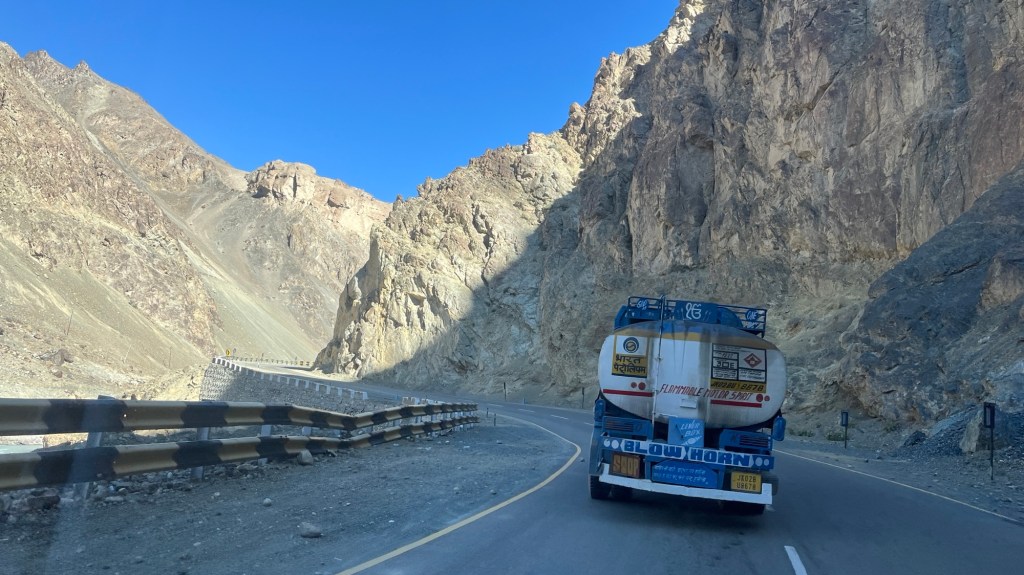
Leh is a big town and the capital of the region, 30000+ population. By the time we get to Leh, we’ve been driving by army bases for so long that the town feels like an afterthought.


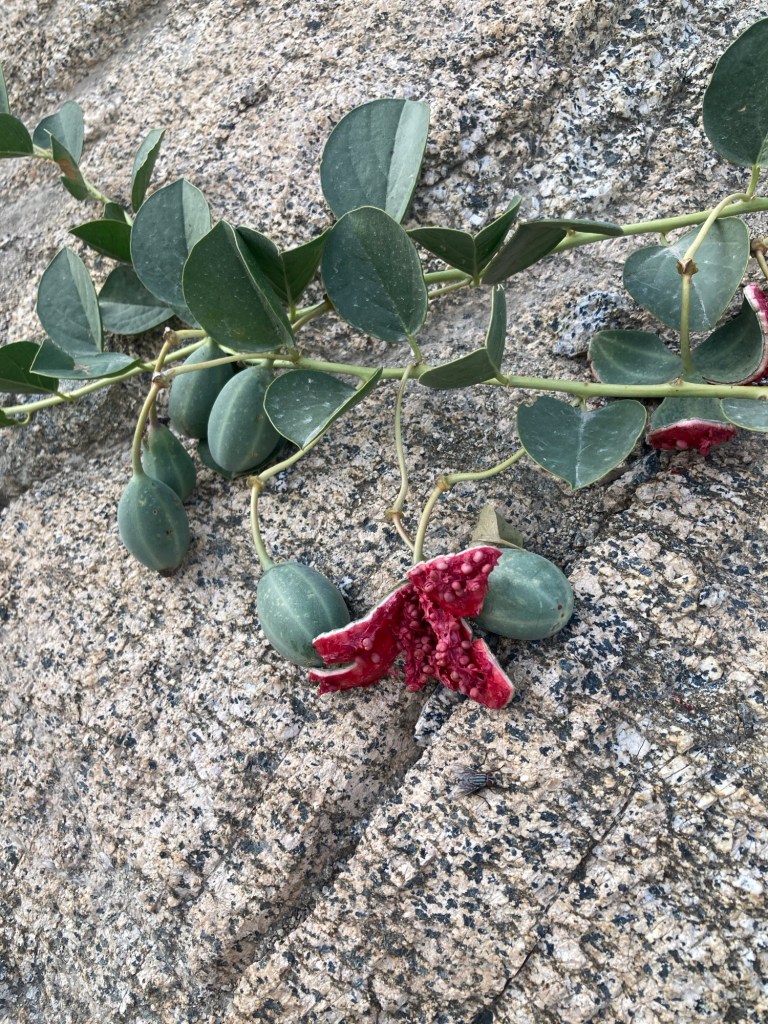
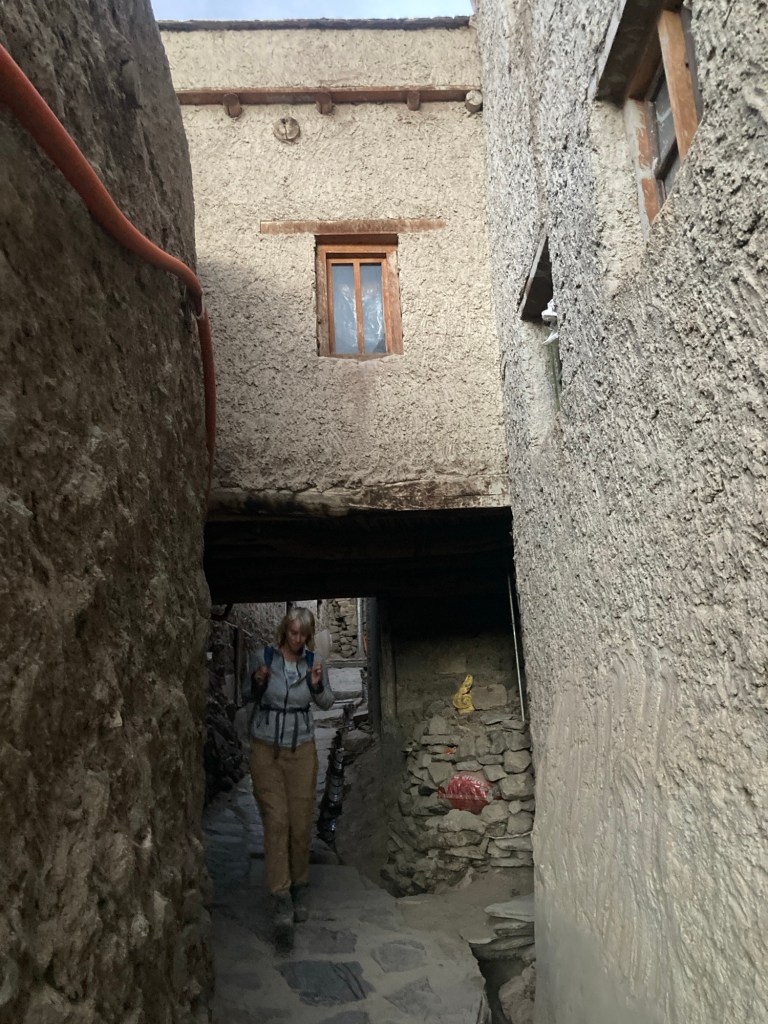
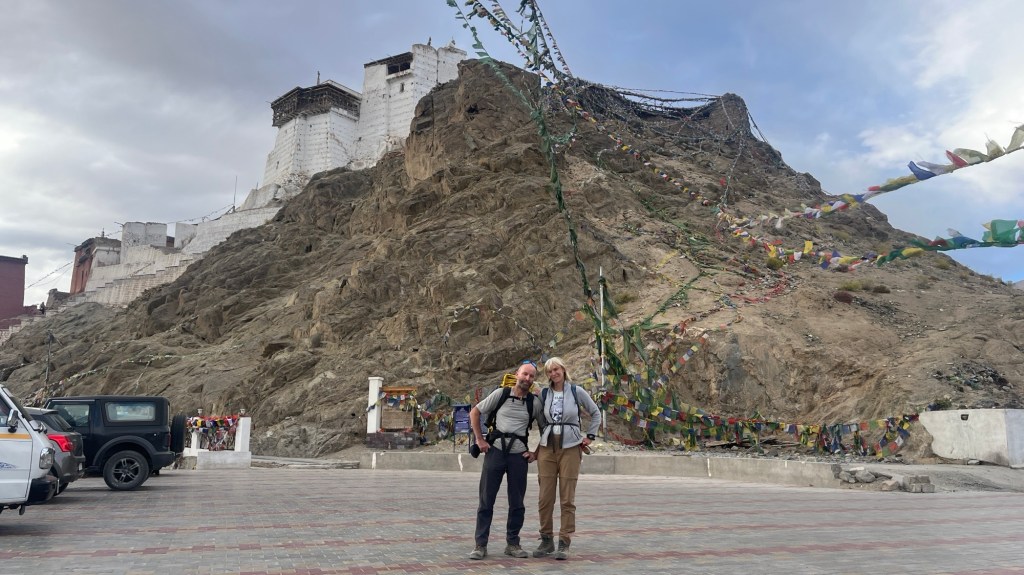
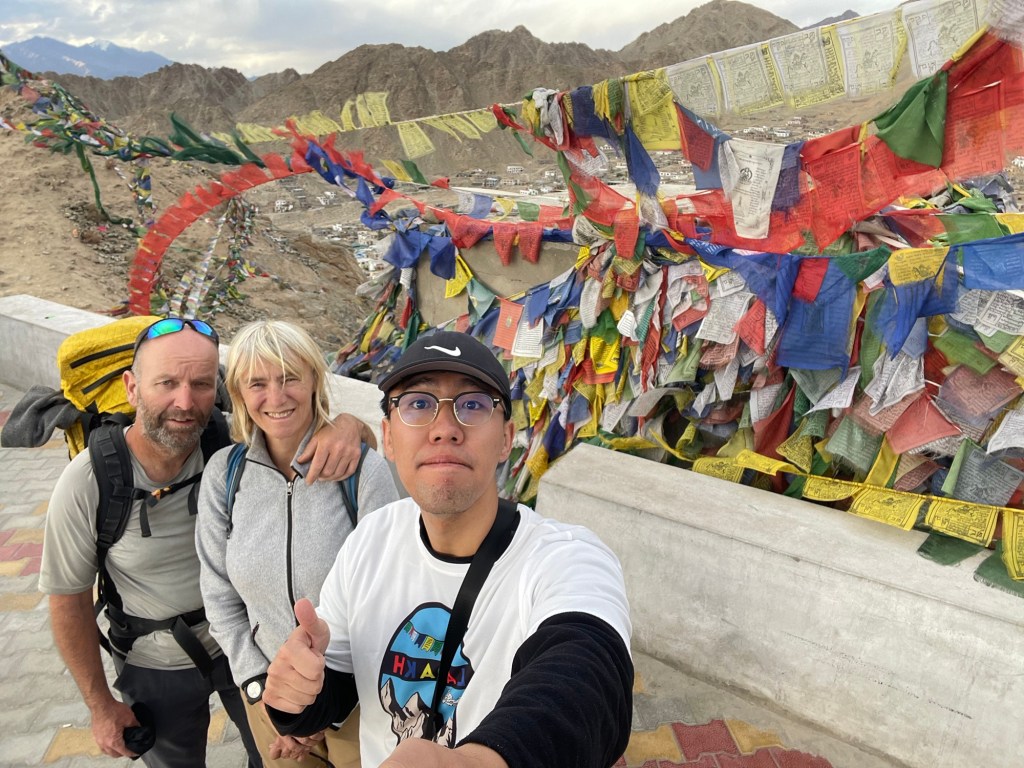
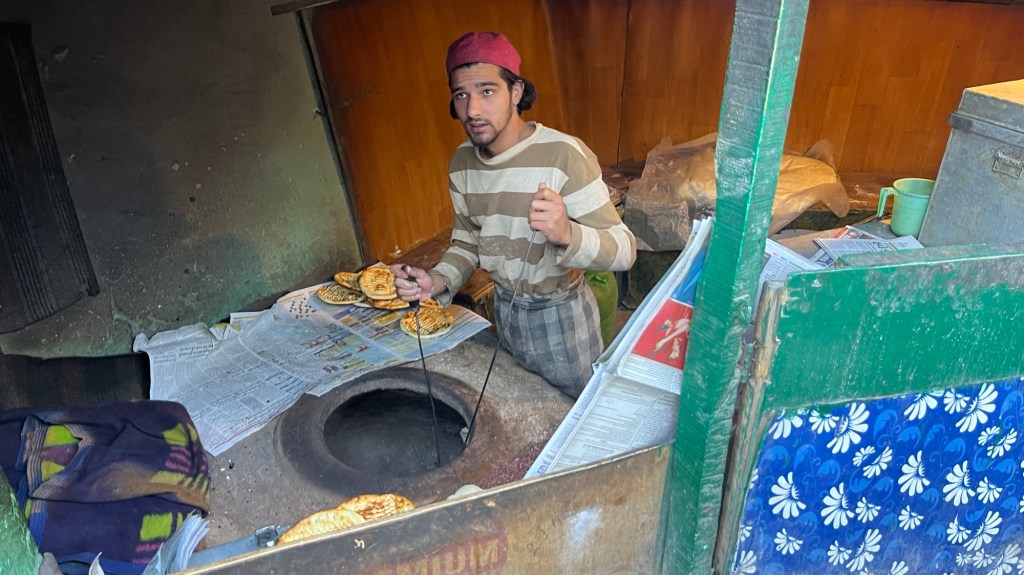
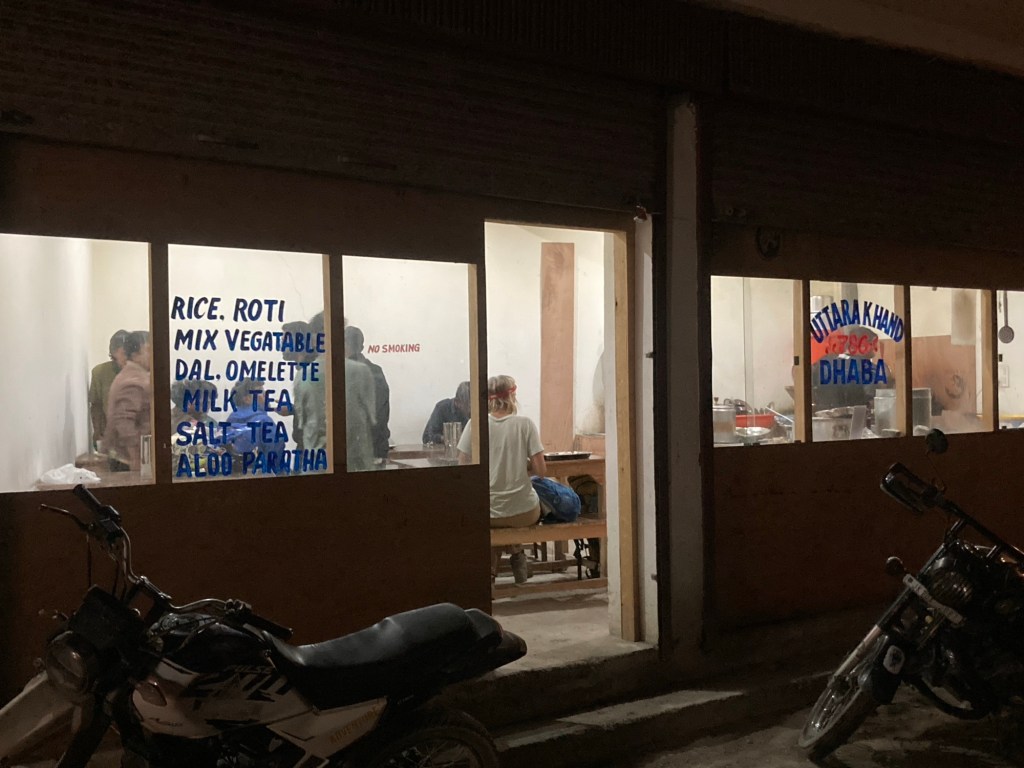


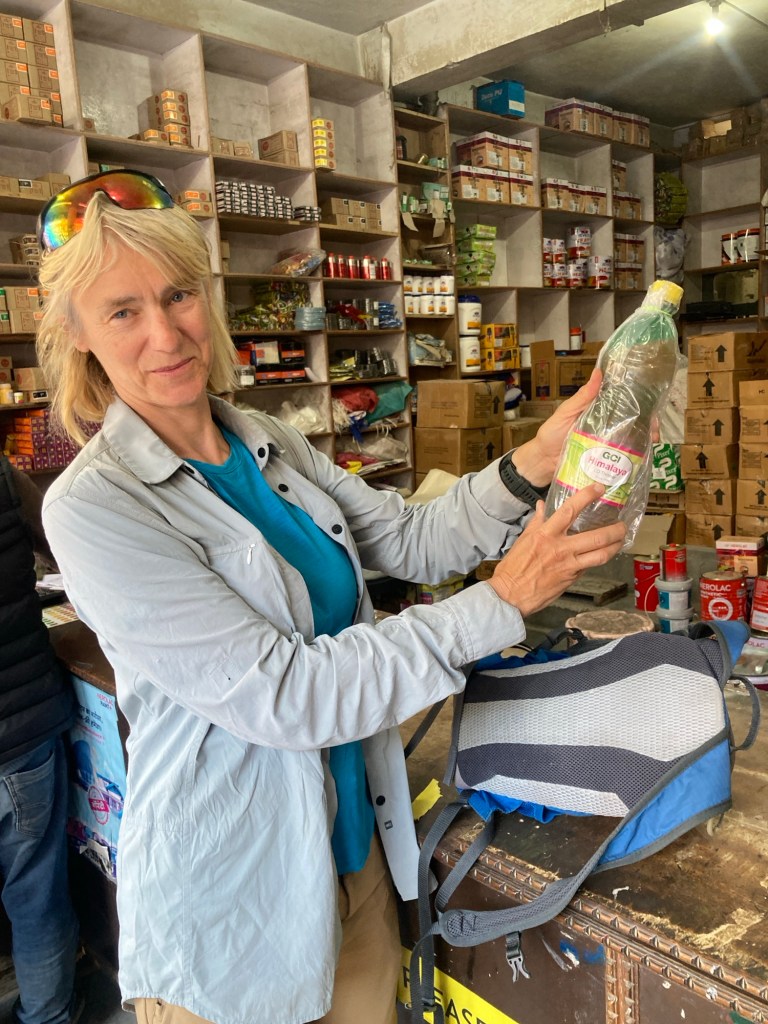
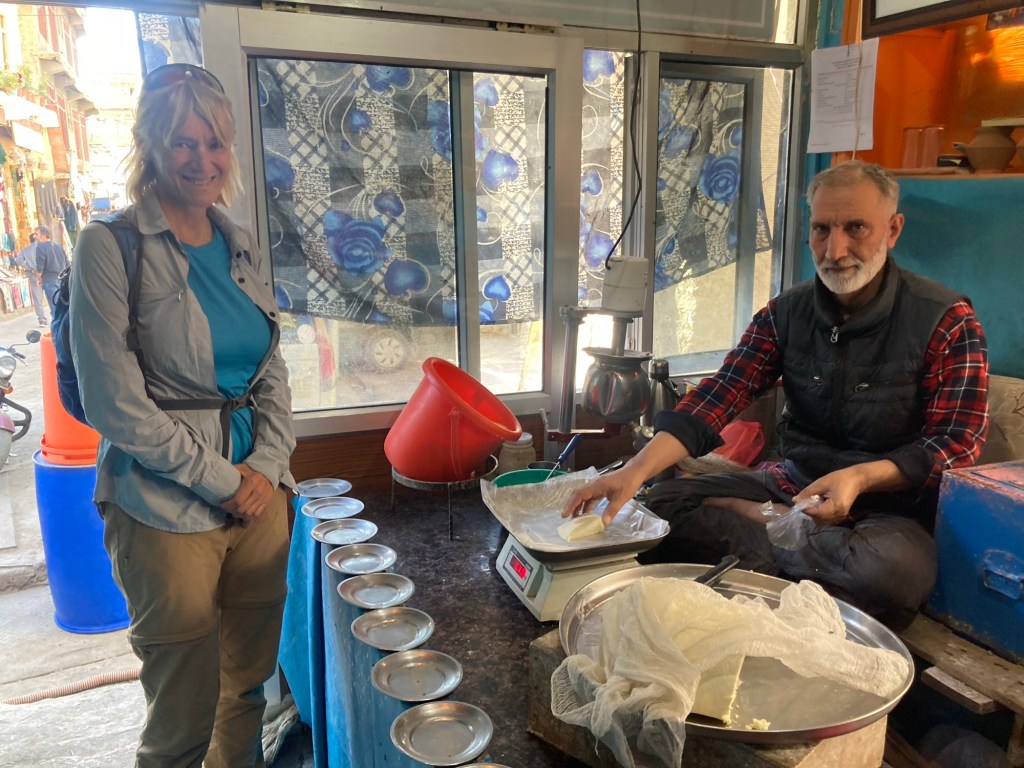


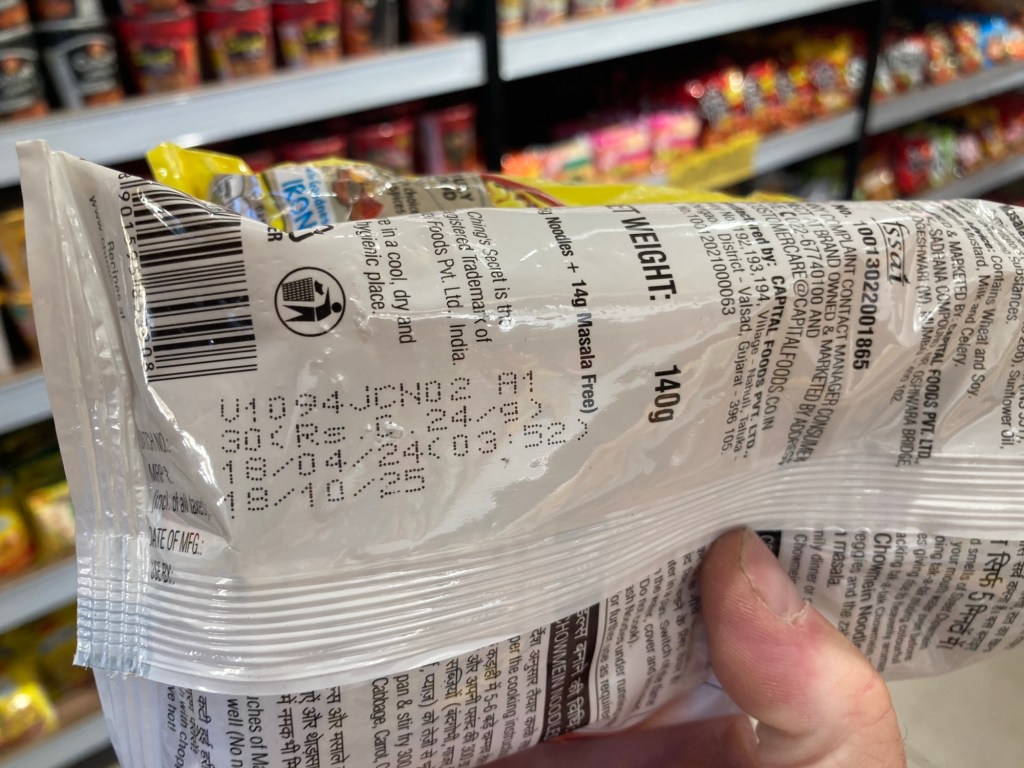
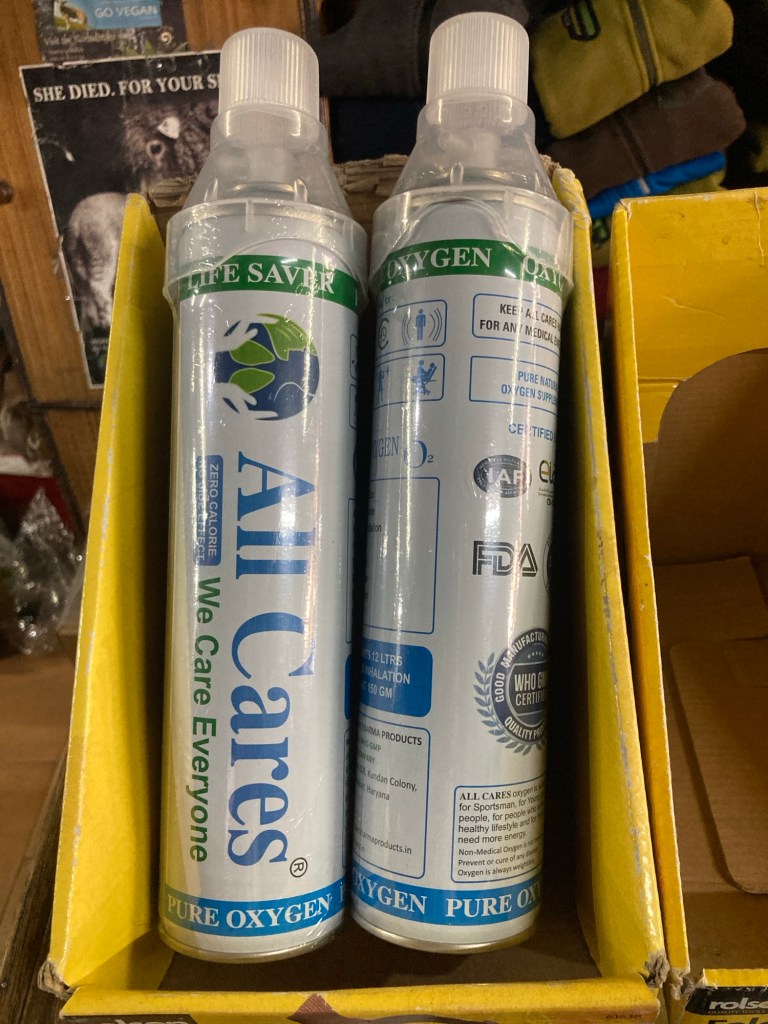
Marta put together a hike to bag several peaks behind Leh. We don’t realize that we are walking through the poorest, dirtiest parts of town, and the garbage dumps are past that…
Now that we are in Leh, it’s obvious that the resources to manage garbage and feral dogs exist in India. This is not a Central American country racked by war and gang violence, India is an empire. Most people don’t care, so the government doesn’t care.
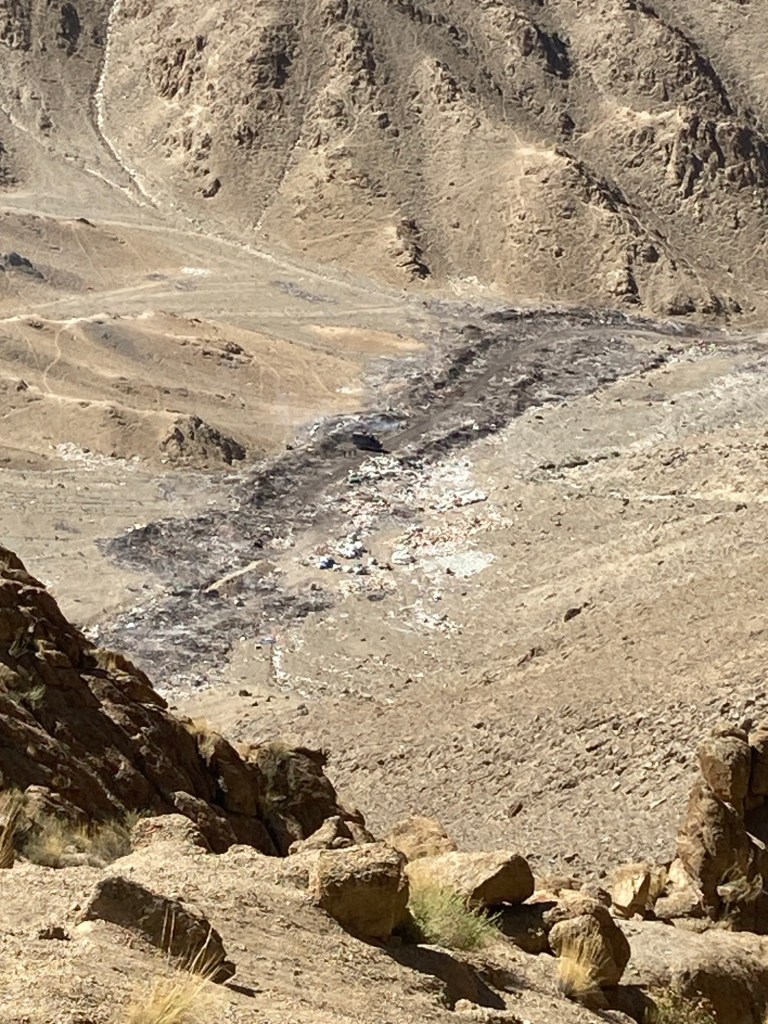
Overall, the air in Ladakh is clean – because of the low population density. Plenty of plastic garbage, but we are visitors here – it’s not our country. We do mostly avoid buying bottled water – fill from the tap, and add a chlorine tablet.
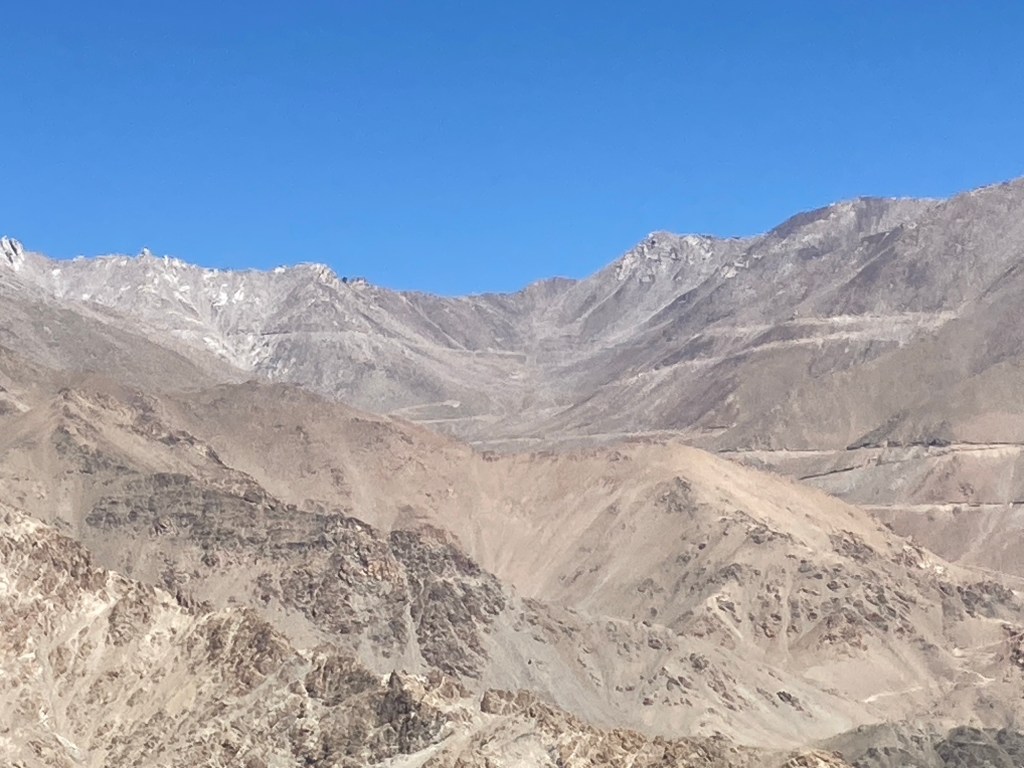
We’ve been in Leh for 3 days – got some summits, but we didn’t go to the other side of the planet where 5000m mountains are everywhere just to hang out in town.
The challenges that prevent us from upping our game
I’m still struggling some nights to breathe at 3600 m. My brain just didn’t get the memo that you need to breathe faster at higher elevations.
Backpacking food is not available. Most treks are now done by staying at farmer’s houses and being fed by them.
The trekking companies are selling treks that seem guaranteed to produce altitude sickness. For example, the Markha trek starts at 3400m, and 3 nights later camping at 4800m. On the final day, go over a 5300m pass and drop a mile vertical to a prearranged taxi cab.
We hate the idea of doing a trip like this on a tight schedule.
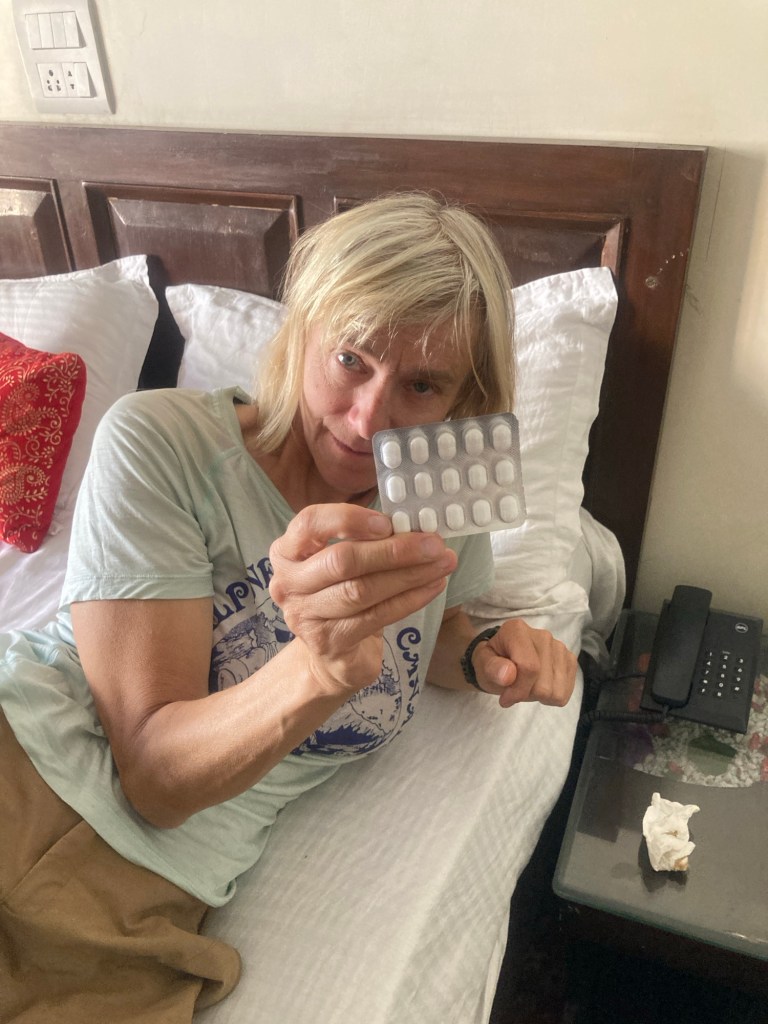
Our alternative plan, that starts tomorrow. Get a taxi to drive us to the Markha trailhead. We’ve got 3 days of food from local shops. Take Diamox religiously. Expect the trek to take us 6 days. If the farmers don’t feed us, we turn around (nothing is prearranged). If we start up the pass and can’t handle it, we turn around. Hopefully there are taxis wherever we end up!

 Marta and Chester's Maleficent Adventures