
We had a great night tenting at 3500m. Light sleep, but that’s normal for camping. The wind even stopped howling. The hotel manager didn’t call in Search and Rescue. He knew our plans, but sometimes details go missing in translation

Now that we’ve demonstrated we can sleep at 3500 m we want to move to higher villages. From Dras it’s downhill to Kargil. The road goes over two more high passes on the way to Leh. We could jump on the bus and go straight to Leh, which is also at ~3500m. But that’s lame.
We will miss Dras – where we were a minor curiosity, rather than a golden goose. Where hiking felt like being in America – fighter jets overhead, and intermittent small calibre fire. And the way everyone was so proud that they were the second coldest inhabited place on earth. (Unlikely)
We waited for a bus at the most likely spot we could think of, where we got dropped off in Dras. Marta charged her phone and wrote while I kept a watchful eye on the street.
Suddenly, a likely bus arrived. The bus didn’t quite stop, passengers were getting off, we were trying to figure out if the bus was going in the right direction, while jogging along side. Snap decision – jump on and figure it out later. Apparently not going to Mulbekh (our next destination) but the right direction. And cheap – $2.50 for a 60km bus ride. Even worse than Zoji La pass – high speed downhill, aggressive braking.
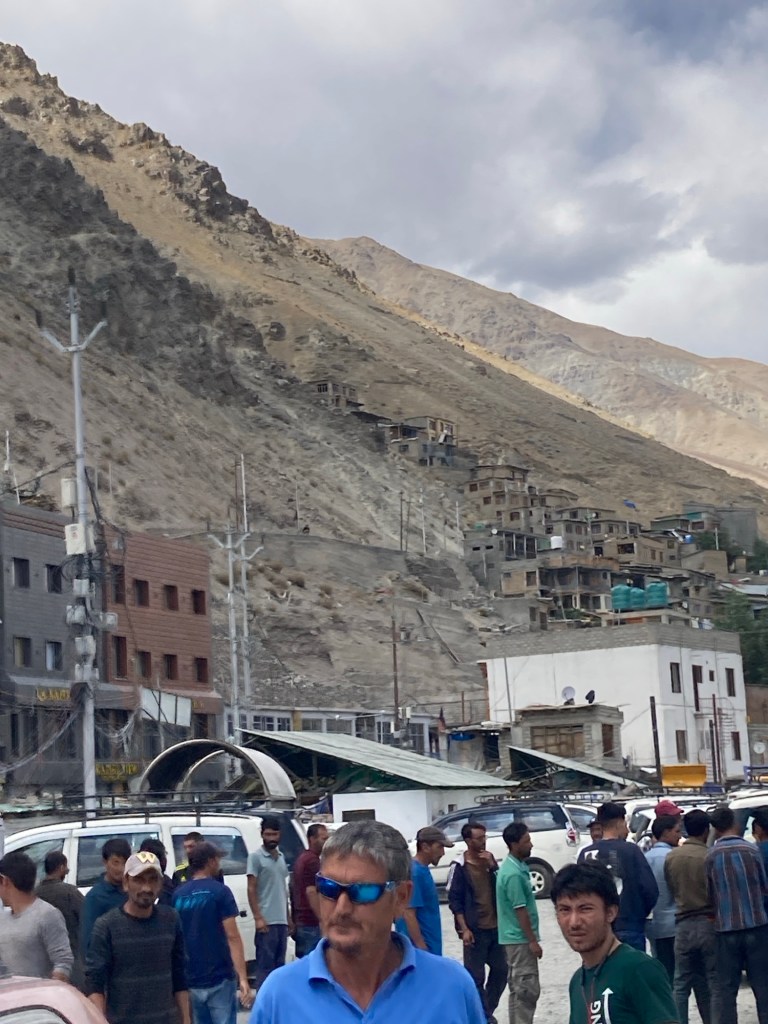
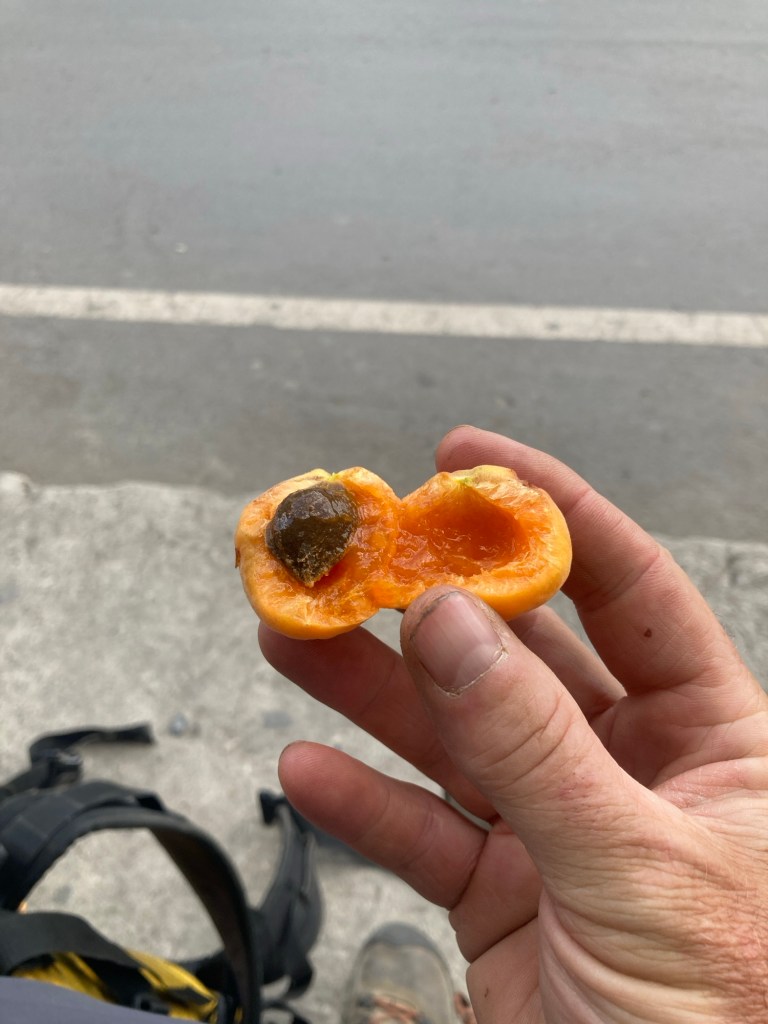
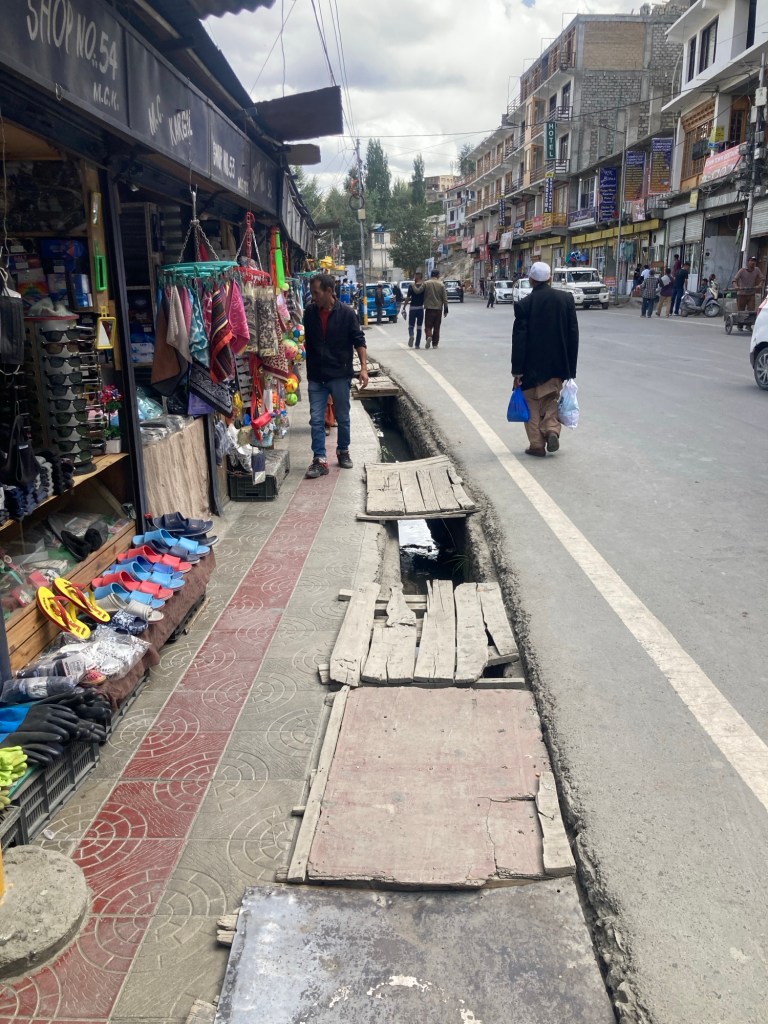
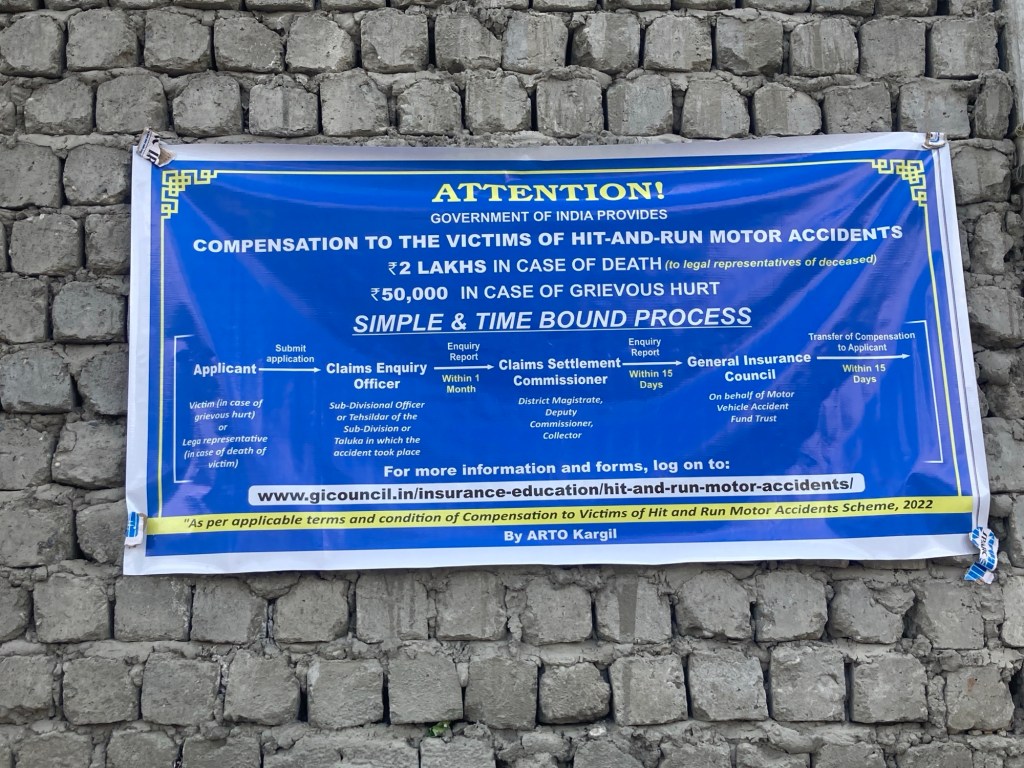
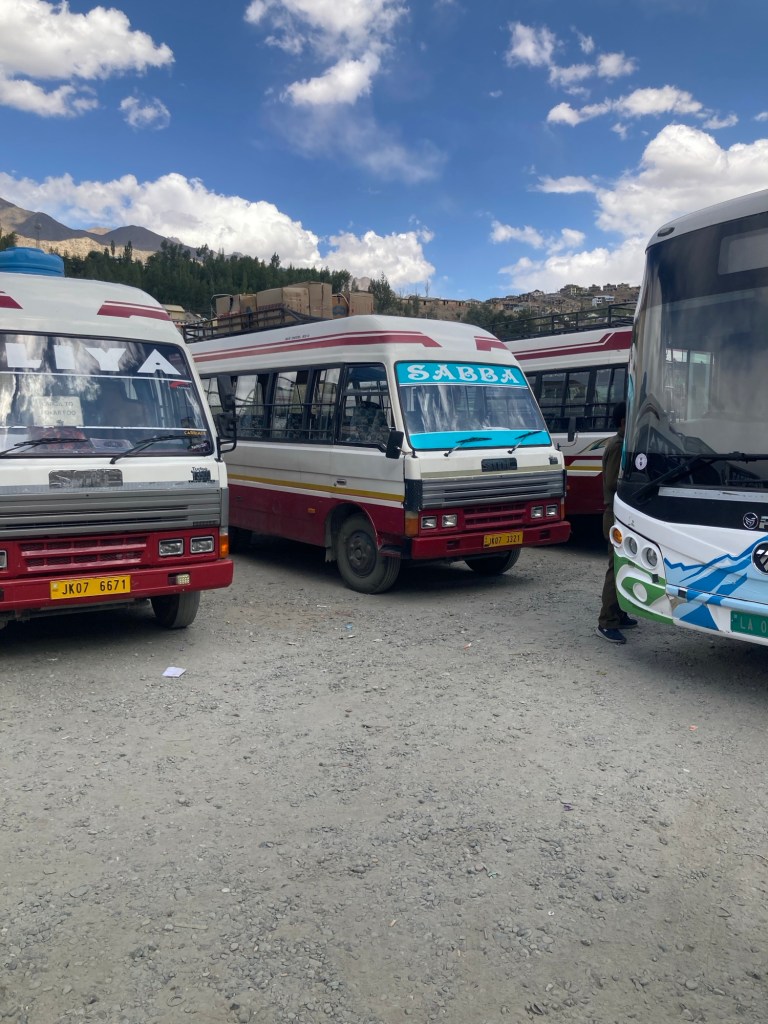
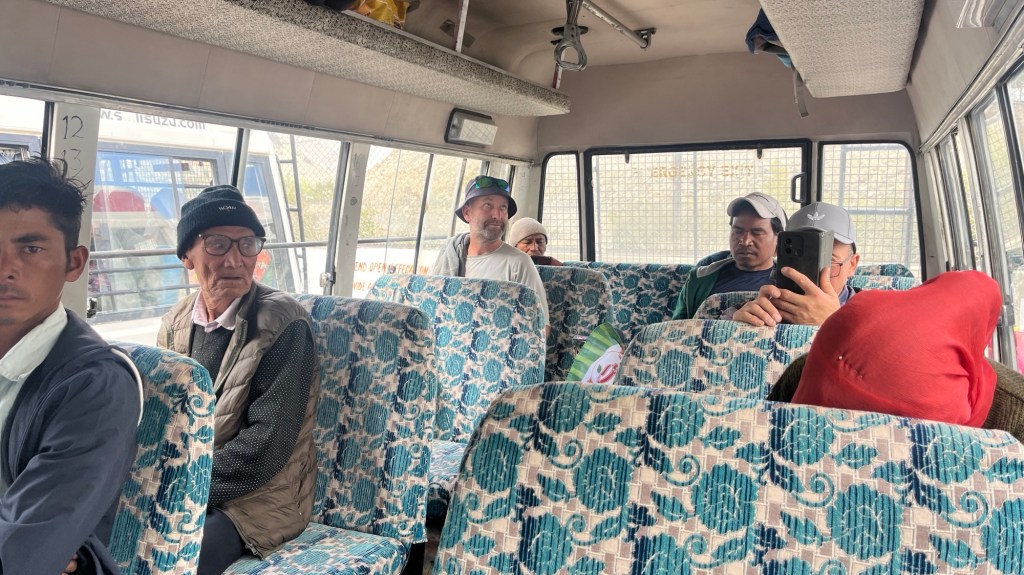
The bus ride out of Kargil was an incredible contrast to the death defying ride into town.  The bus stopped at a bakery, so four people could go shopping – and we waited for them to finish. Locals flagged the bus down, and whistled when they wanted to get off. 
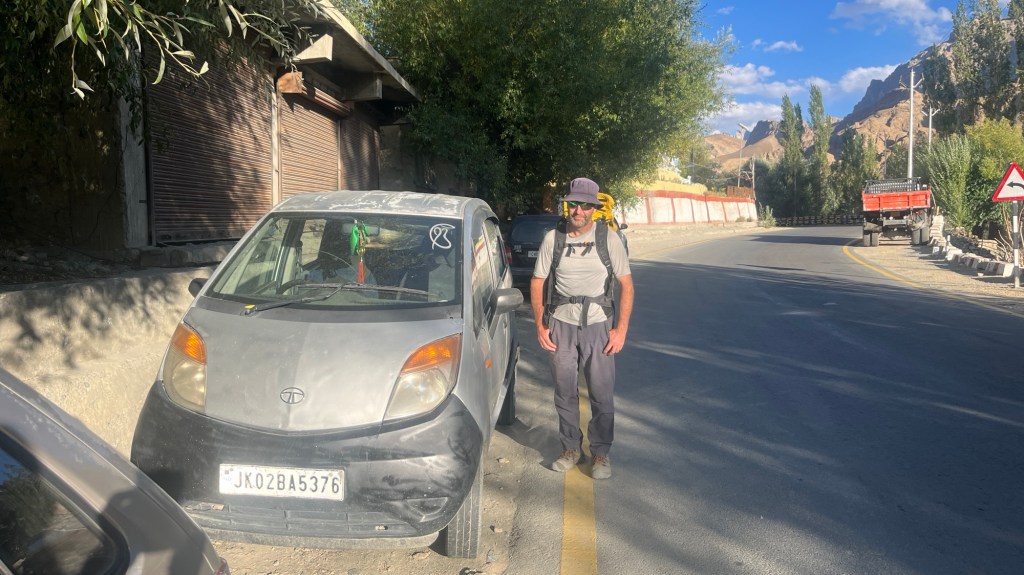
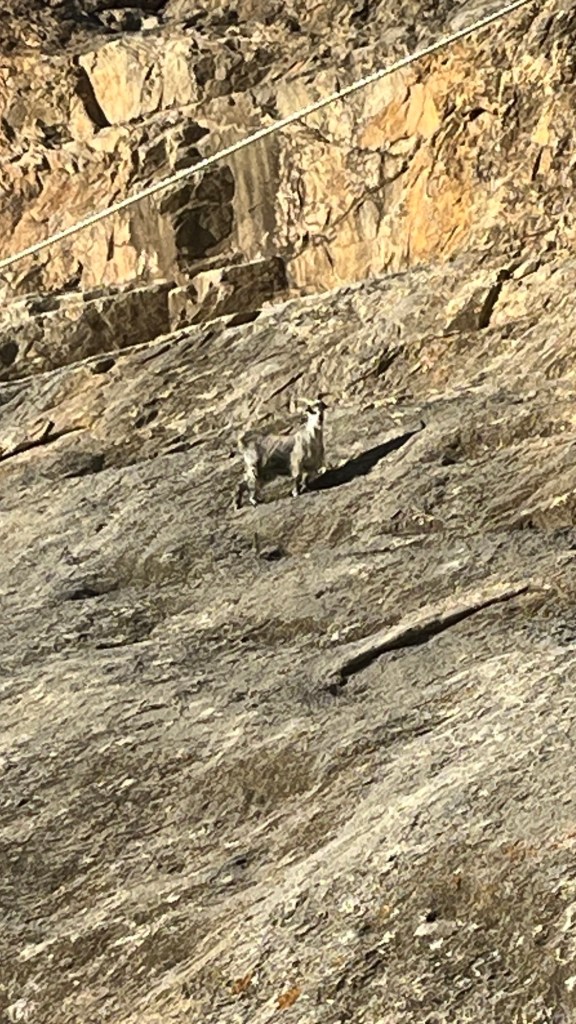

Bad night – had an episode of periodic breathing. When sleeping, breathing slows down. At higher altitudes, a given breath rate won’t expel CO2 and bring in O2 fast enough. You suffocate. Breathing speeds up.
It’s a control loop, with substantial delays, prone to oscillation. Control loops are governed by several parameters, and when you change altitude, the brain has to adjust these parameters. In Peru (2007) I had the same problem at 3900m, and that was the beginning of the end of that trip.
We have several ideas to manage better this time. 1) Change to a better, quieter motel. Early this morning, the Buddhist monastery across the street turned on their megaphone at 5am and left it on loop for 5 hours. 2) Take Diamox, which is supposed to help. 3) Go to bed hungry, to reduce oxygen load of digestion while sleeping.
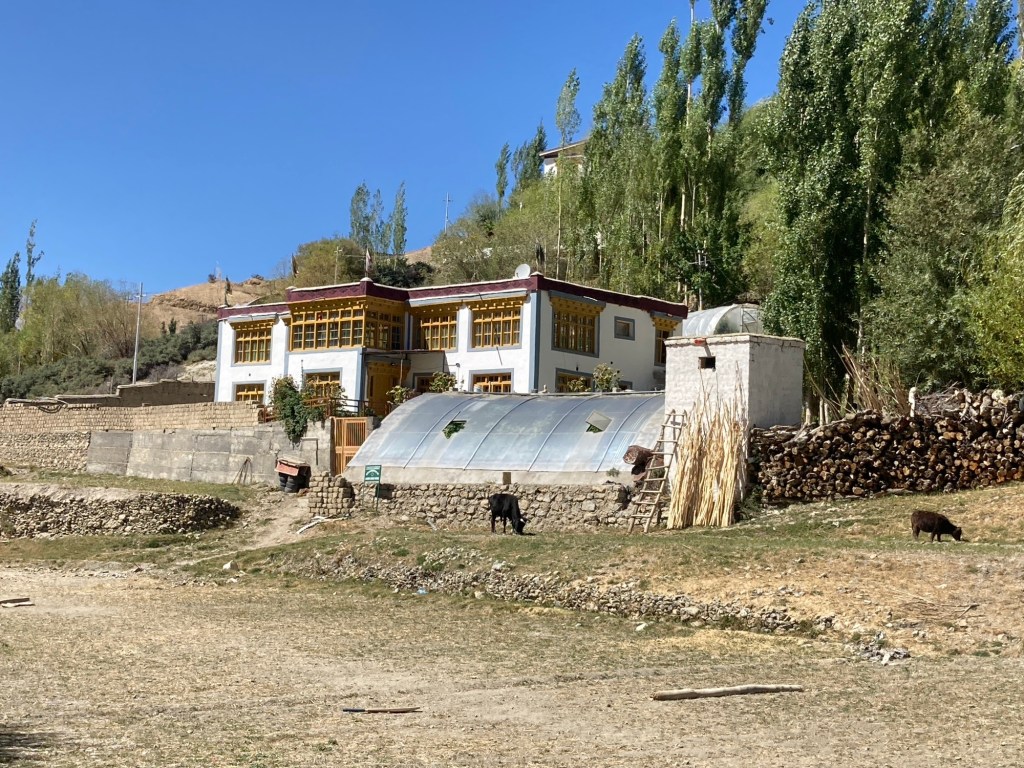
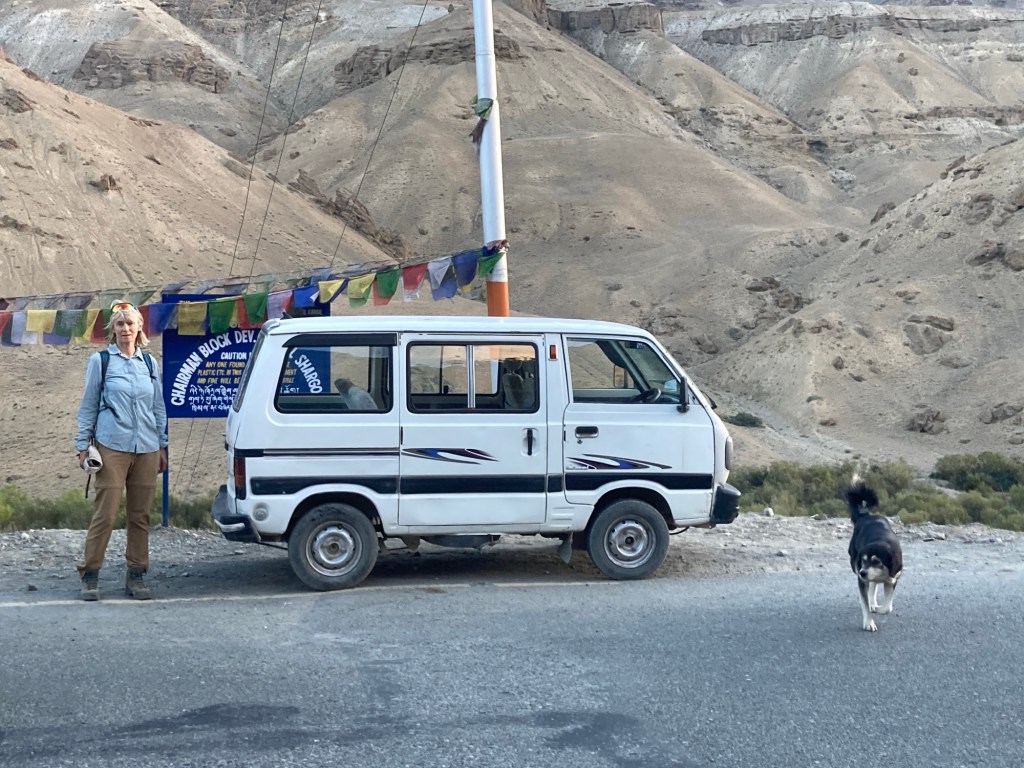
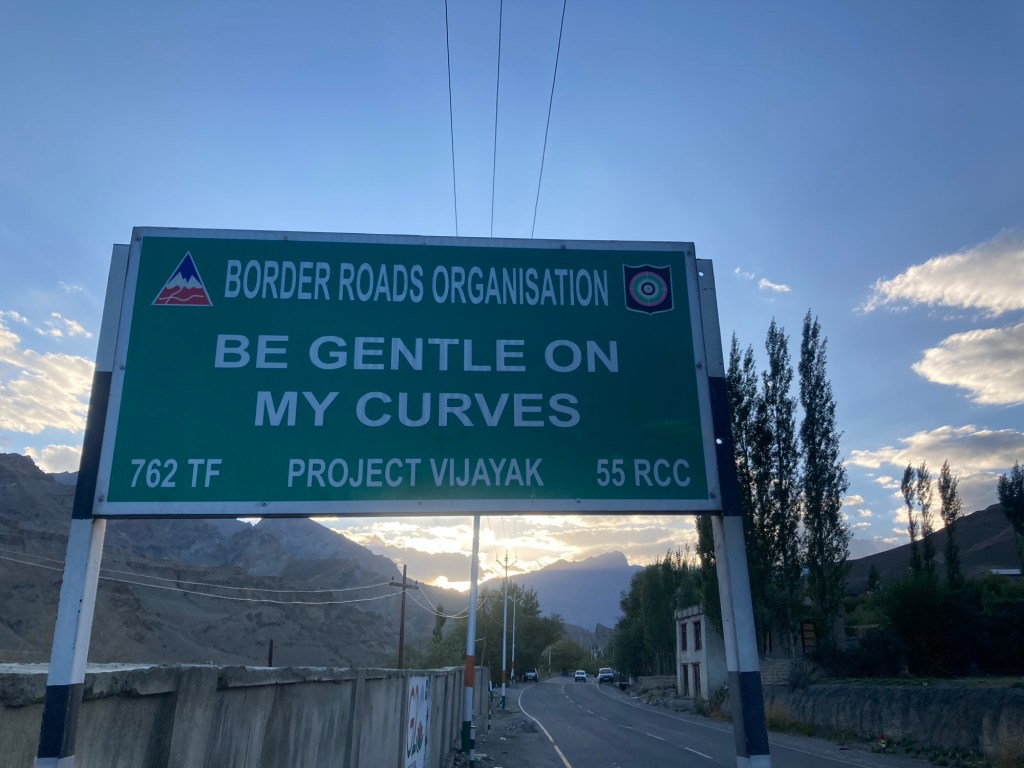
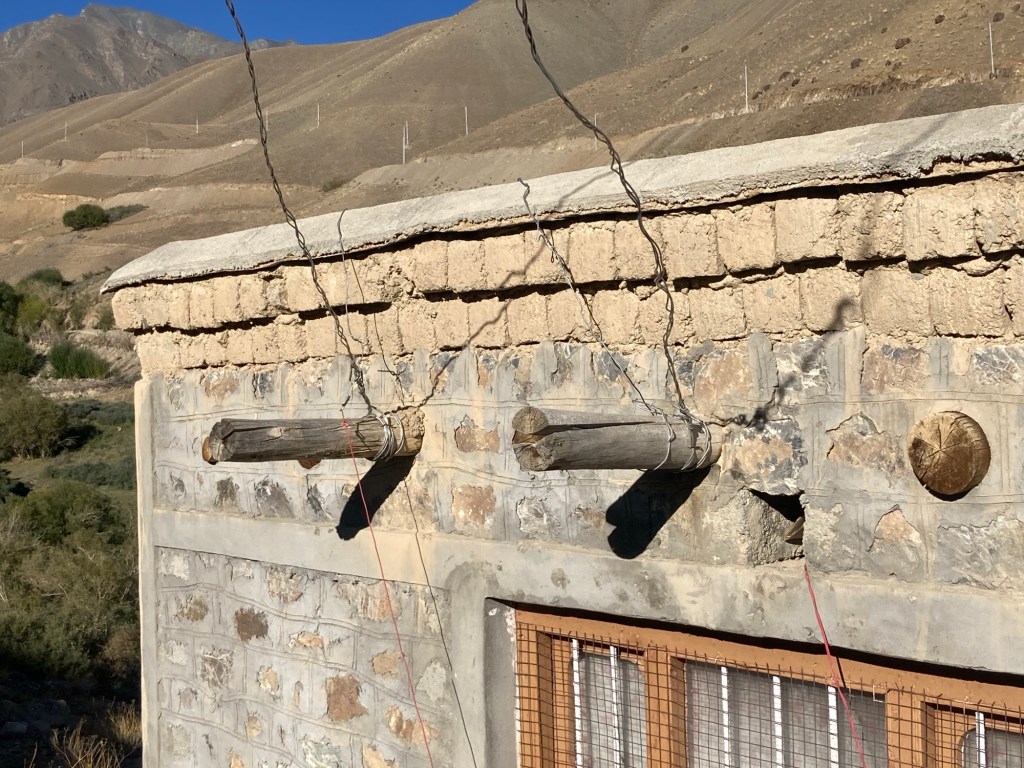
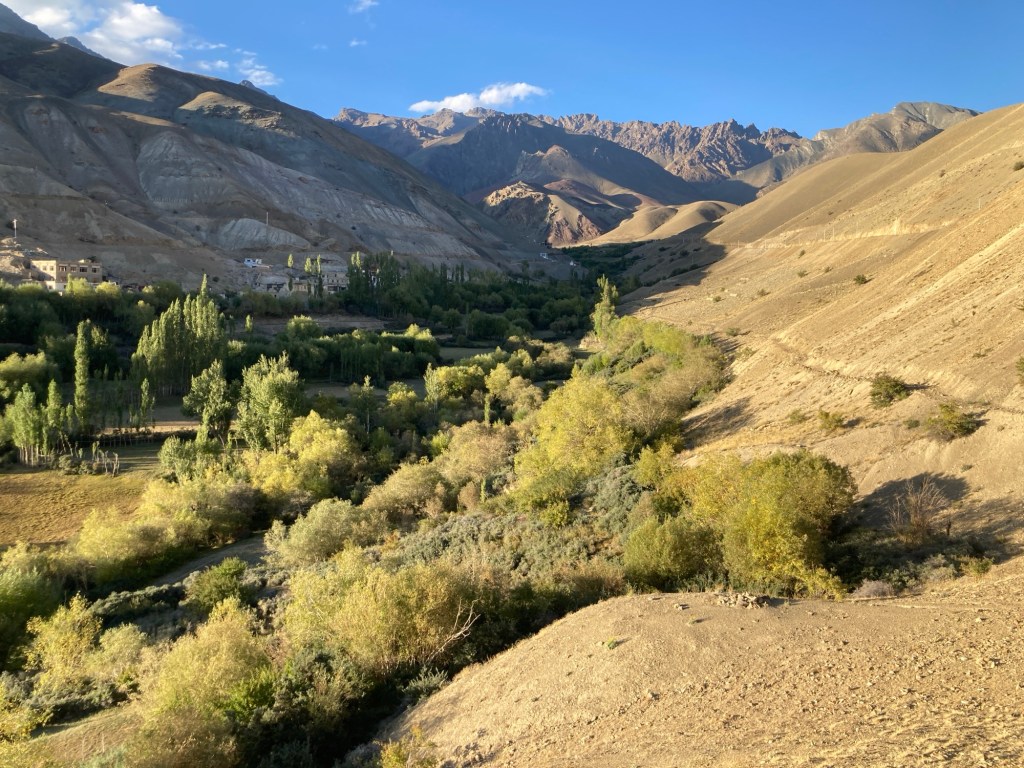
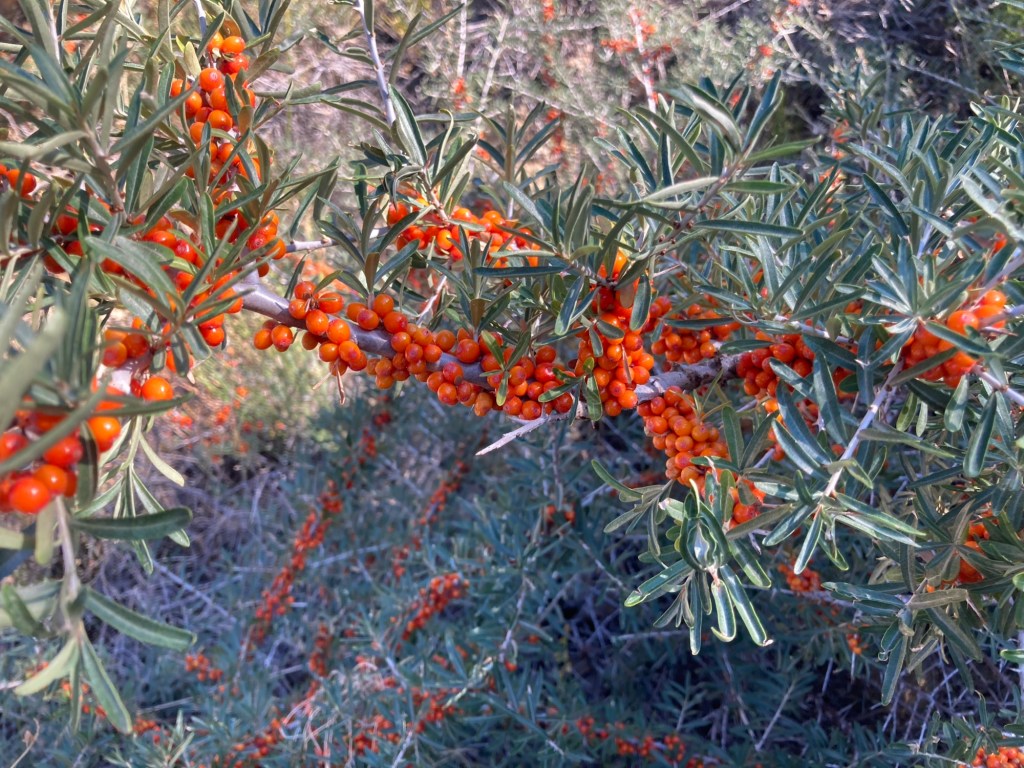
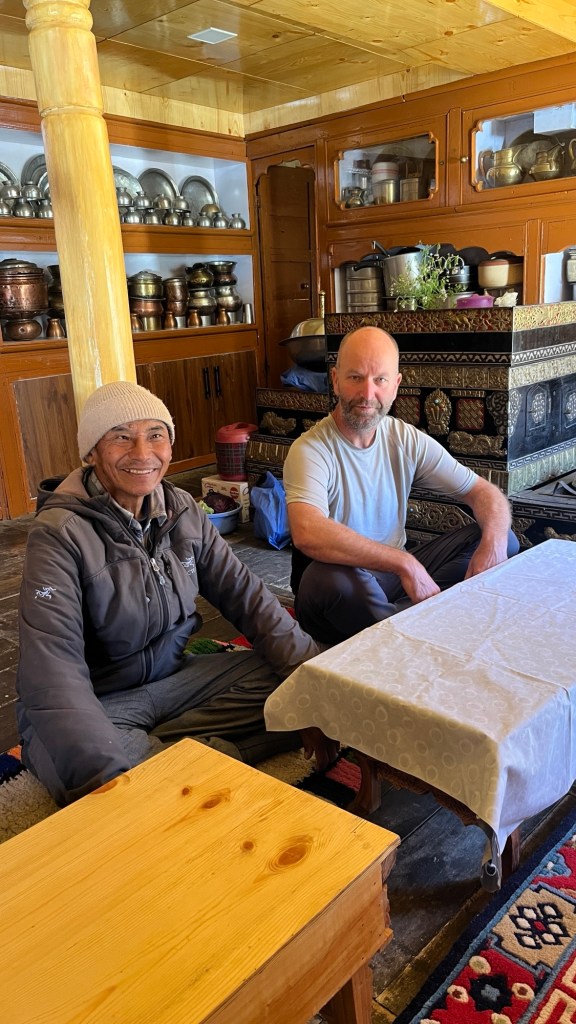
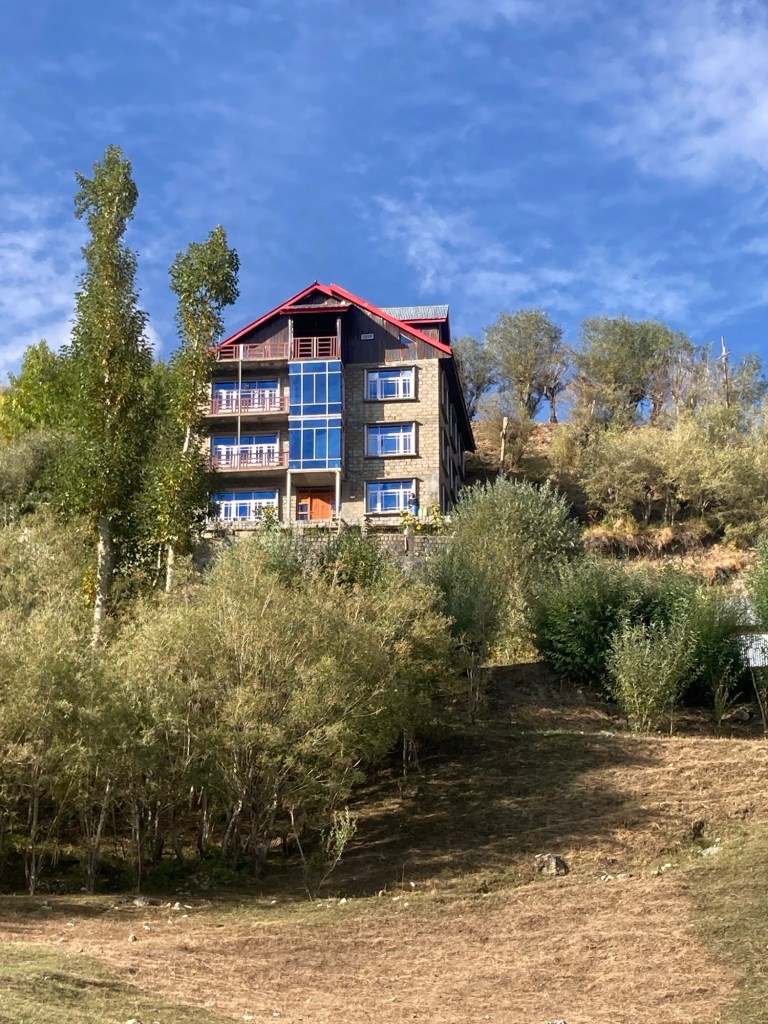
We need a new hotel. Most guest houses turn us away. They don’t want the hassle of having only one room booked – almost no tourists in September. We are shocked to find out that Jigmet’s son has built an immaculate guest house on the family property. Amazing sleep. Not clear what made the difference, but feeling like a human again.
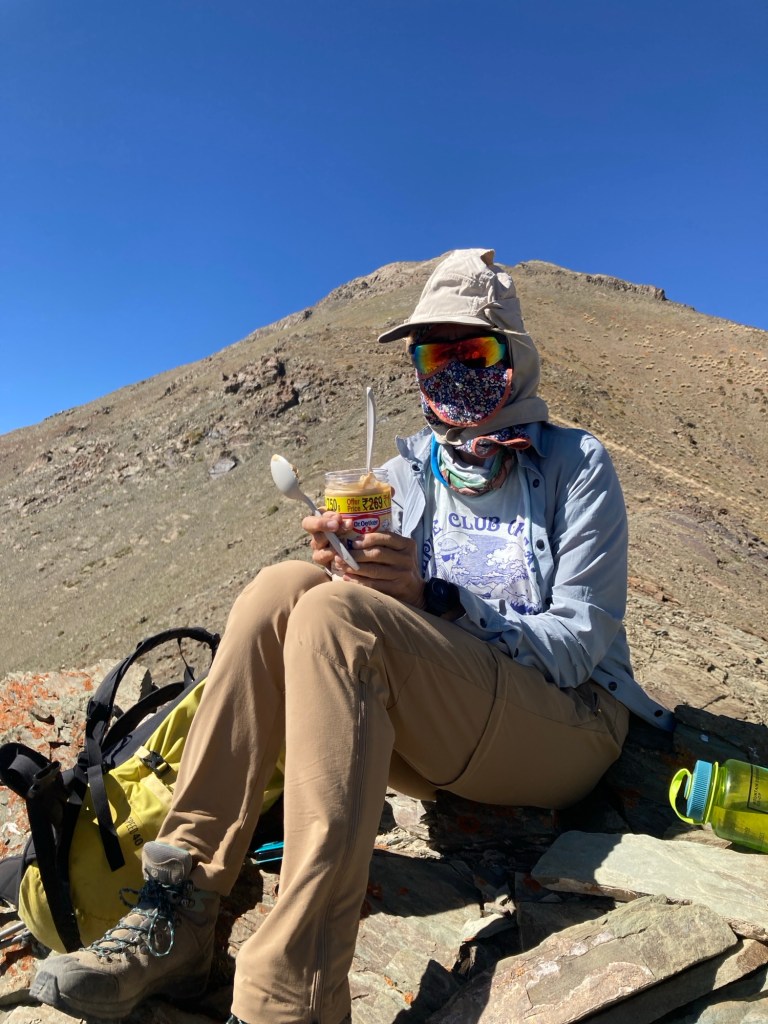
After a good sleep, we head up Numi Go mountain behind our guest house. We didn’t plan to reach the peak – starting from 3275m and going for a 4900 m peak is just too much in one day for us. To tackle even a small mountain like Numi Go, we have to be able to camp high and sleeping at 3800 m right now would be a disaster.



A few final notes –
We met a dump truck driver on our hike up Numi Go. He was envious of the incredible lushness of Kashmir, compared to the Sahara desert dryness of Ladakh. He predicted that climate change would make life impossible in Ladakh, just too dry for grass to grow to feed goats etc. That may be a factor, but from what we’ve seen, the land is being grazed beyond what it can sustain. The original Tragedy of the Commons problem.
Ladakh is changing rapidly. Our guidebook from 2019 is totally out of date – there were only a few cell towers back then, and the coverage is now better than Canada. India is pouring in huge money on projects at all levels – clearly making the effort to permanently weld Kashmir and Ladakh to India.
 Marta and Chester's Maleficent Adventures