After a few days, we always get the itch to keep moving. Our hosts have lots of ideas, a relative offers to drive us around to our next destination (Sonamarg). For a price of course, it’s important to remember that this is extra cash for them.
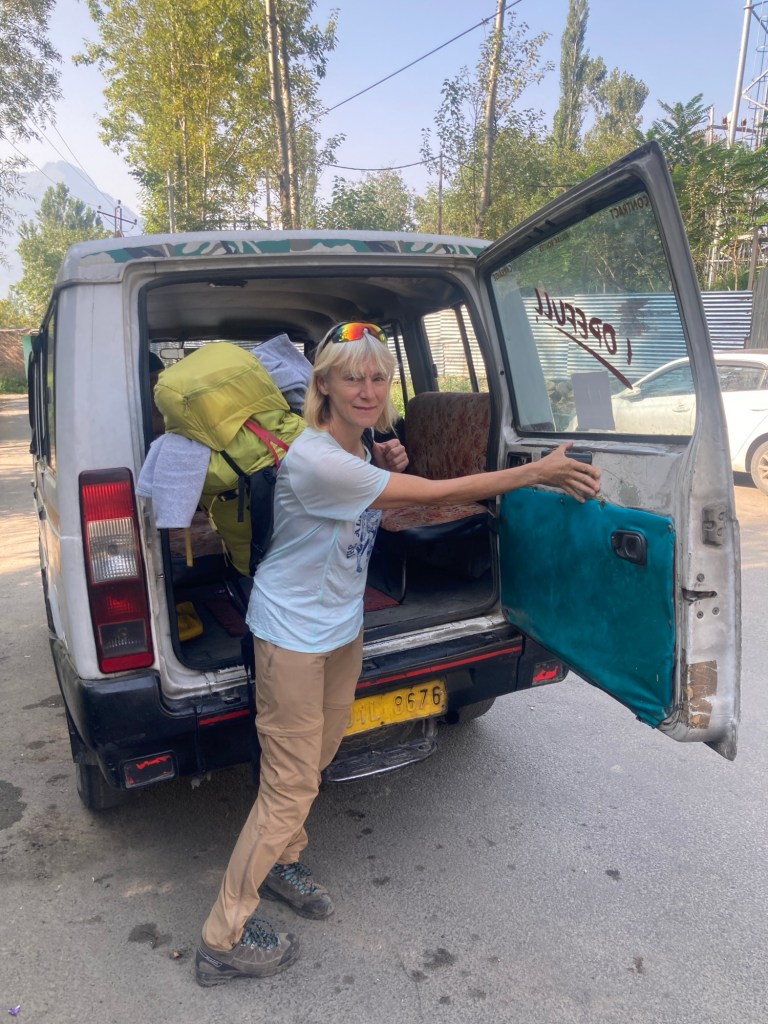
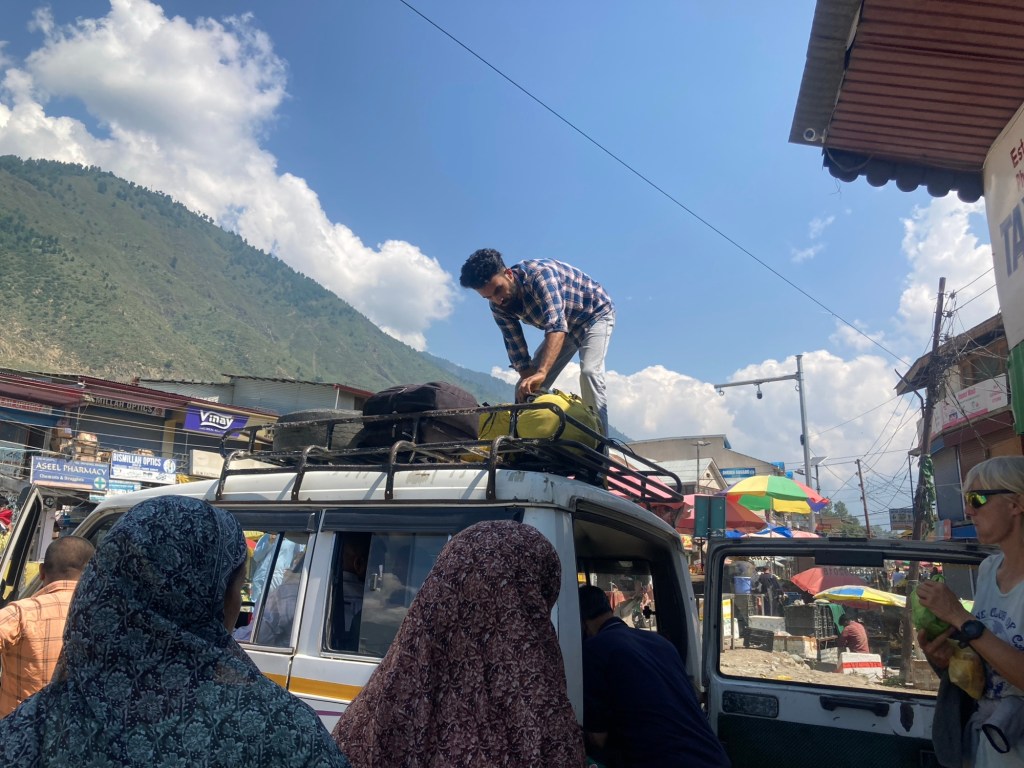
We’ve been watching diesel SUVs rolling through the village – shared taxis – which are the local version of minibuses. We walk down, and find one in 15 minutes to ride down the valley. At the bottom of the valley, (New Theed) everyone piles out and we immediately jump into an identical rig for the trip into Srinagar
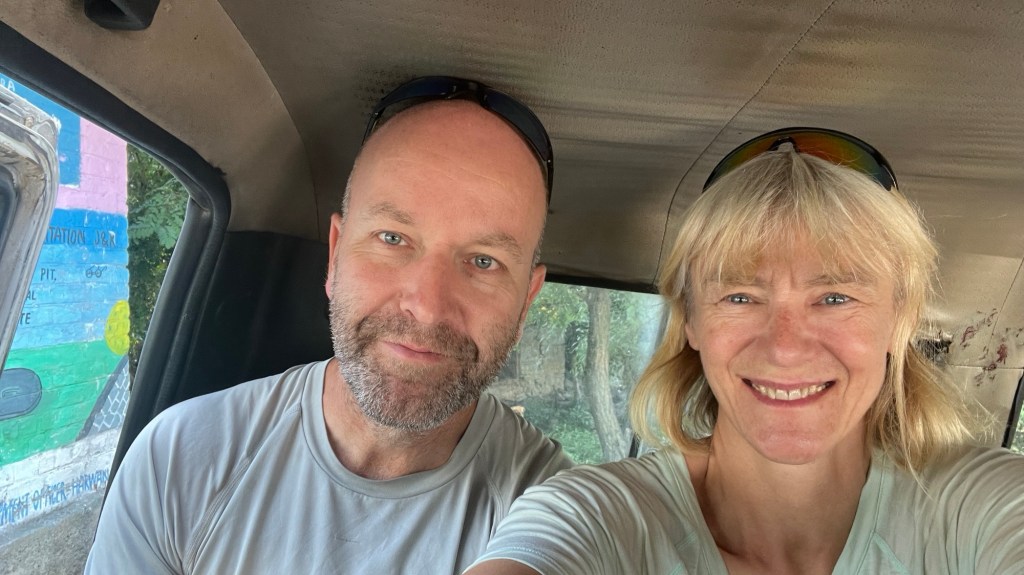
Srinagar is trickier. This city is well over a million people, with roads going to all points. Sonamarg is a Banff of Kashmir, so well served by private cars and tourist buses. The bus leaves at 7am, and we are determined to get there today, rather than wait for tomorrow’s bus. As the locals do, which means more shared taxis.
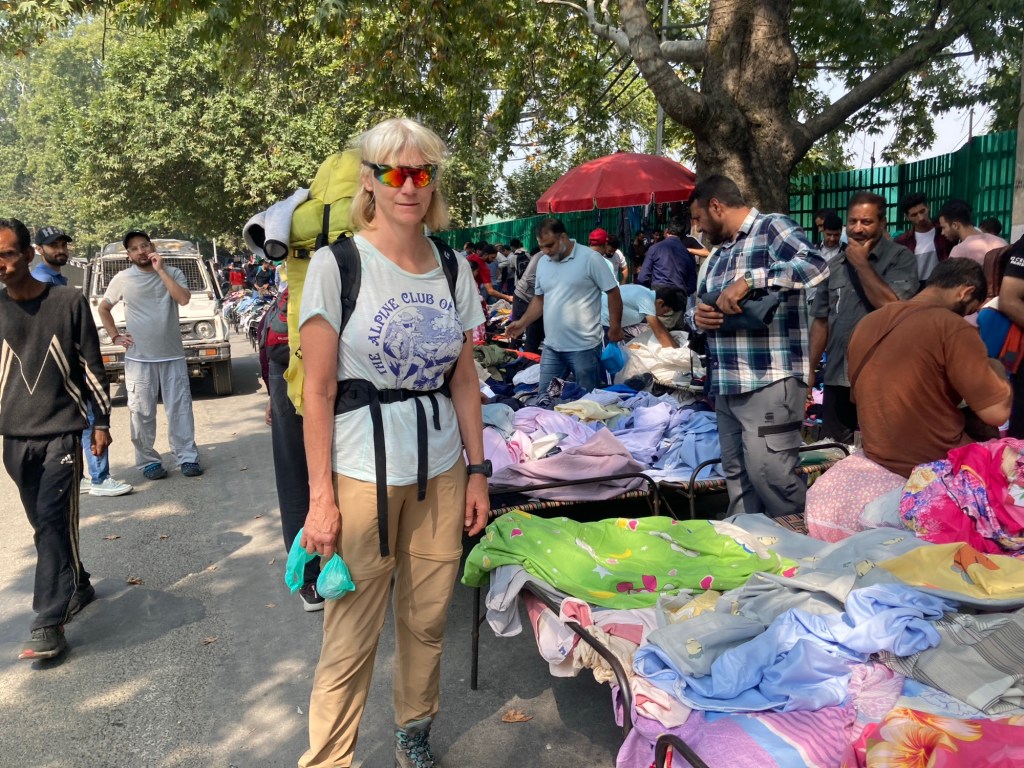
The trouble is all the taxi drivers want to drive you themselves, not help you find a shared taxi. A little googling gives us two choices for where the shared taxi depot is. We take off on foot, seeing a magnificent market along the road. A taxi driver finally cracks, and gives us the name of the more distant bus stop. A auto rickshaw driver takes us there for 150 rupees – our first ride on these little tricycles of death. At least to my western eyes.
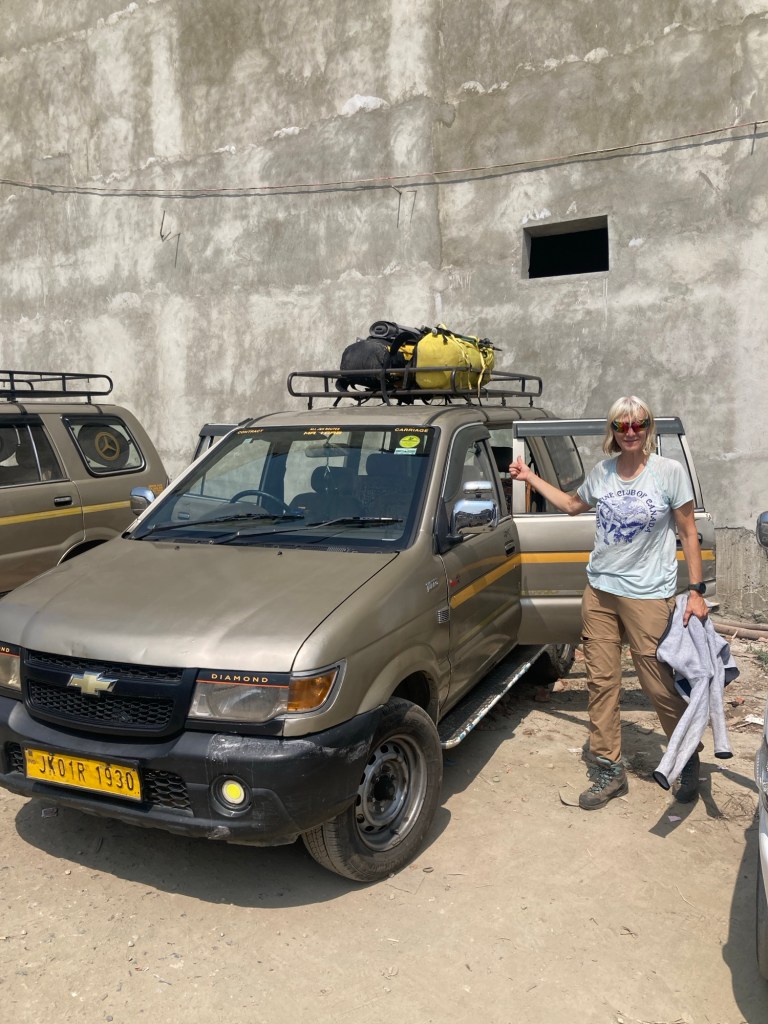
The other key was realizing that the shared taxi routes are short, and you can’t get to your final destination in one ride. As I write this, we are pulling out of Kangan on our fourth ride, which will climb 900m up the valley to Sonamarg.
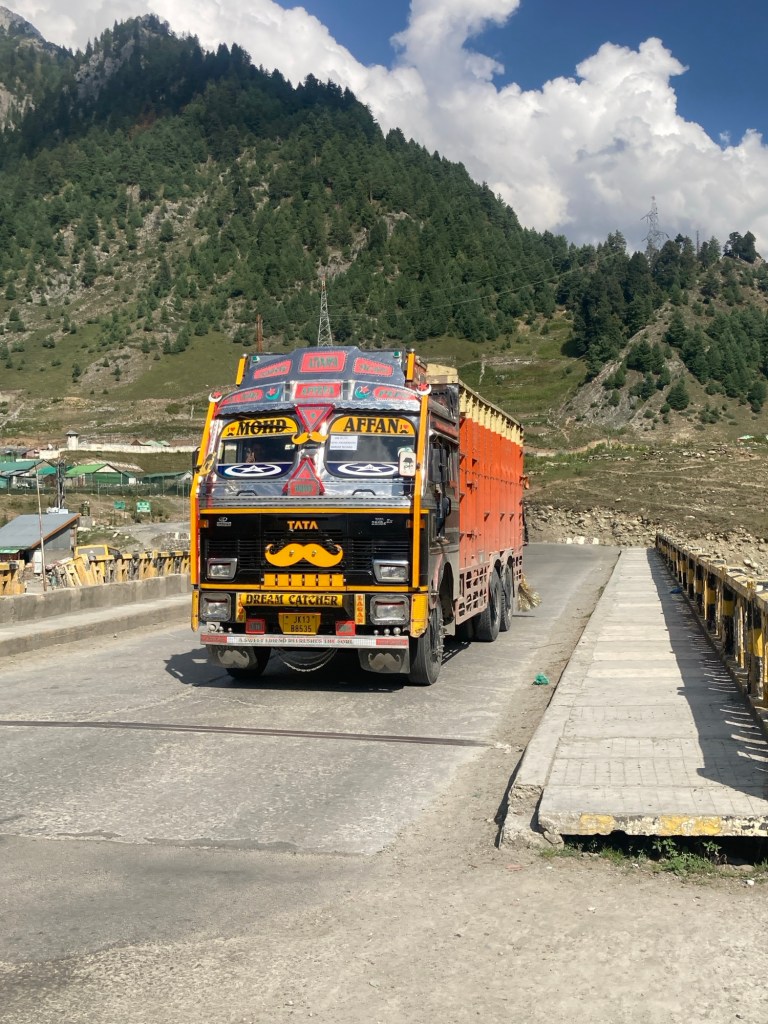
Sonamarg may be a little Banff, but it’s also one of the jumping off points for the Indian version of the Camino de Santiago. A huge ice cave up in the mountains is the pilgrimage destination for 600-800,000 Hindus each year, during a two month summer window. Fortunately we’ve missed the high season. The pilgrims have been the target of extremist attacks, and the Indian army takes this seriously. We passed endless army convoys on the drive up to Sonamarg.
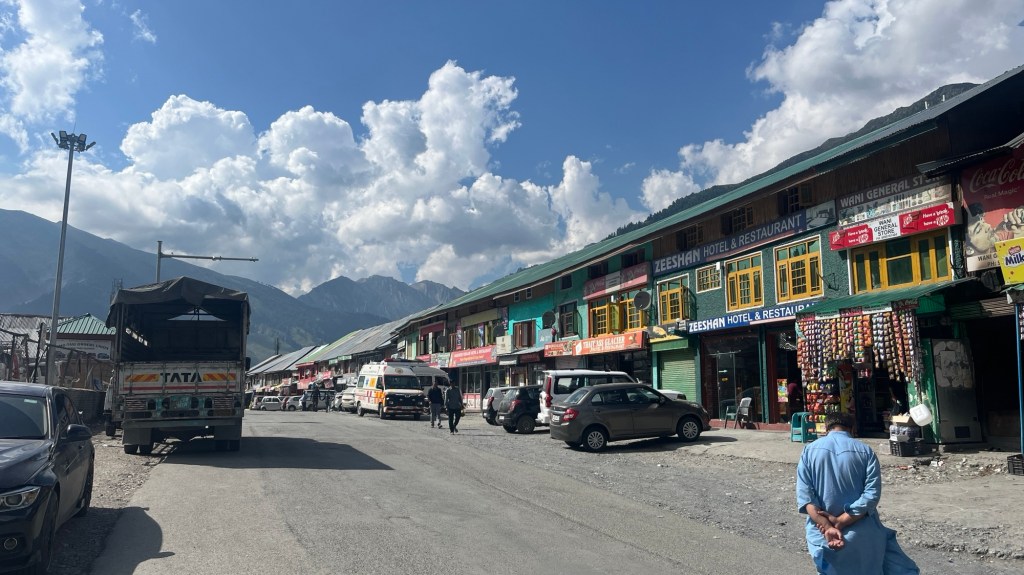
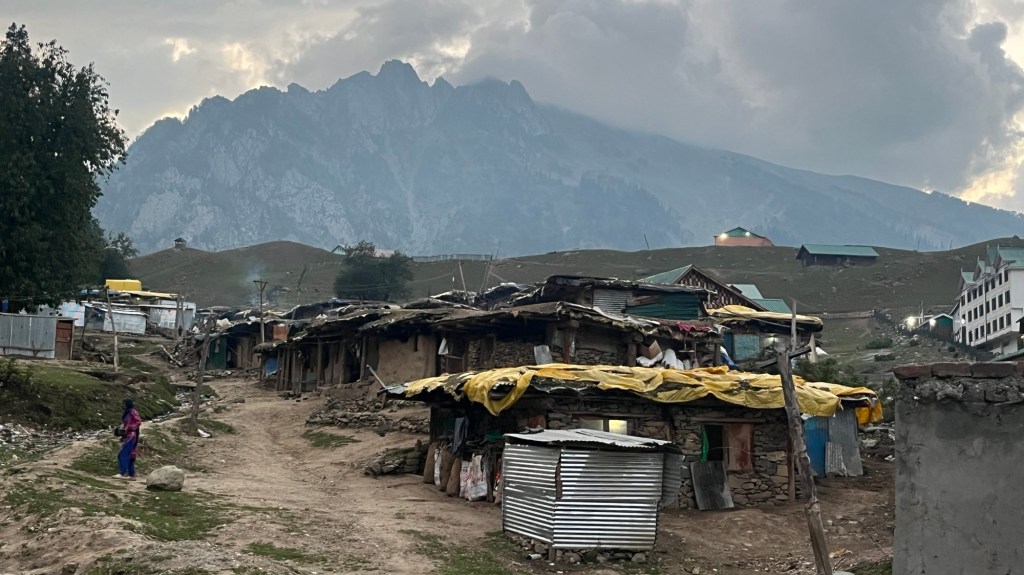
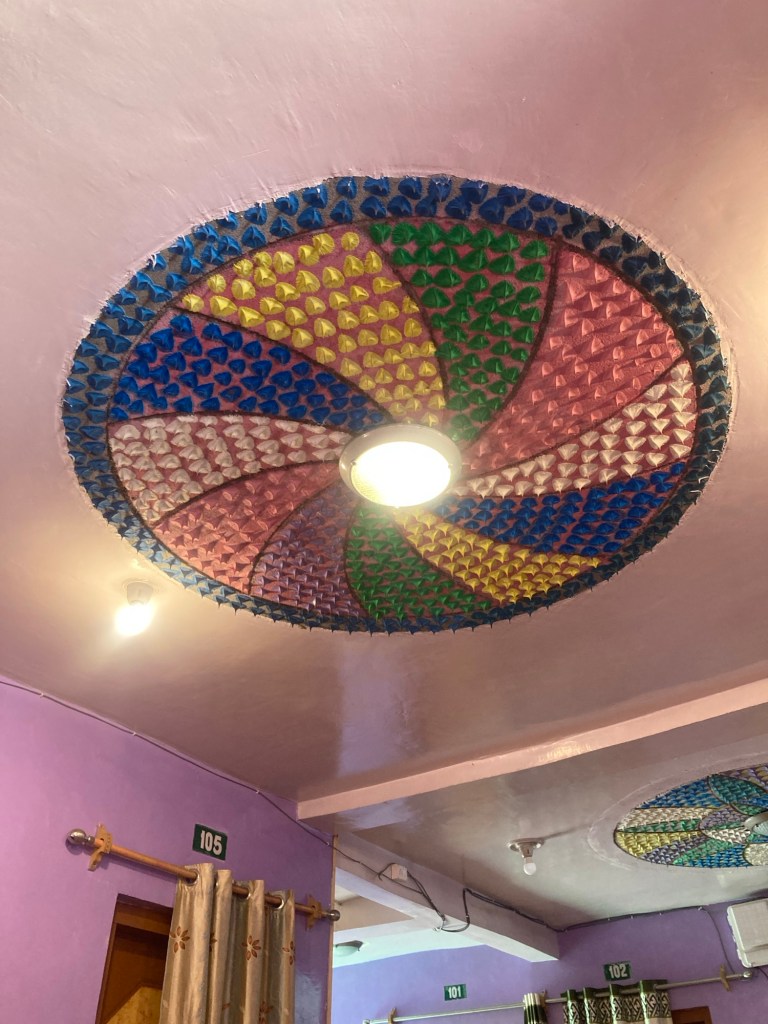
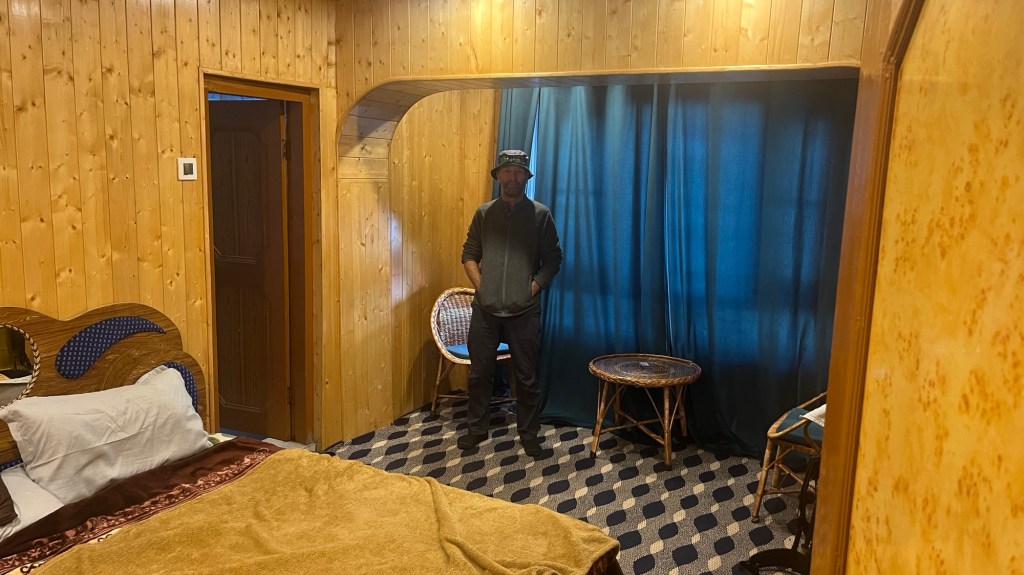
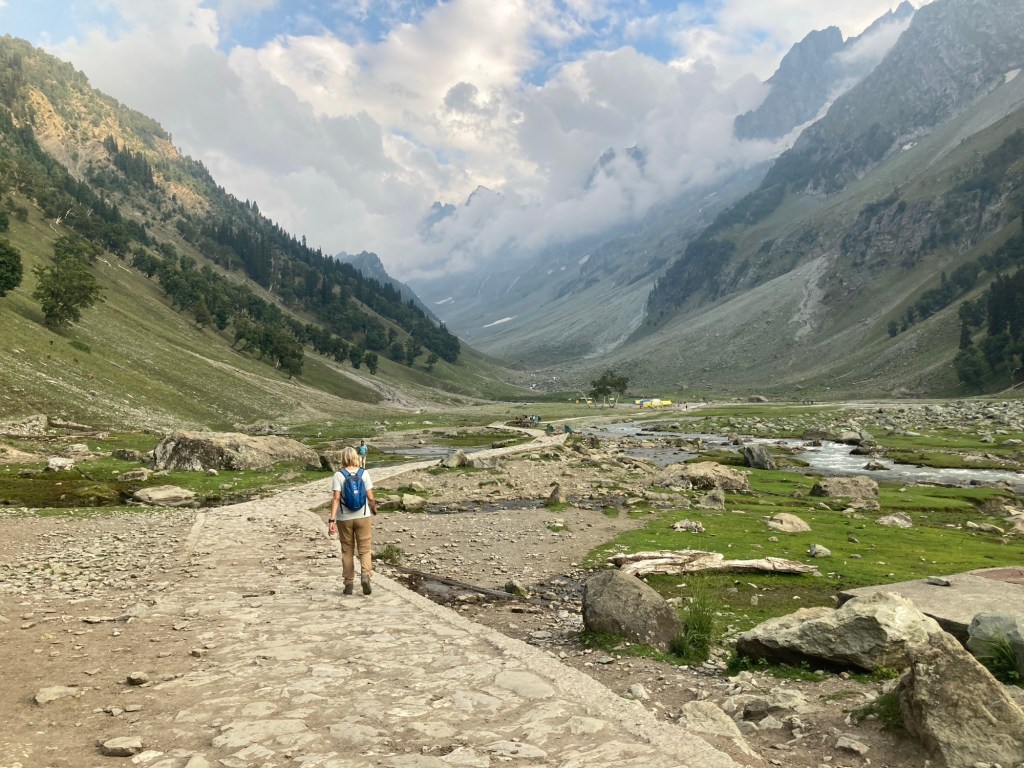
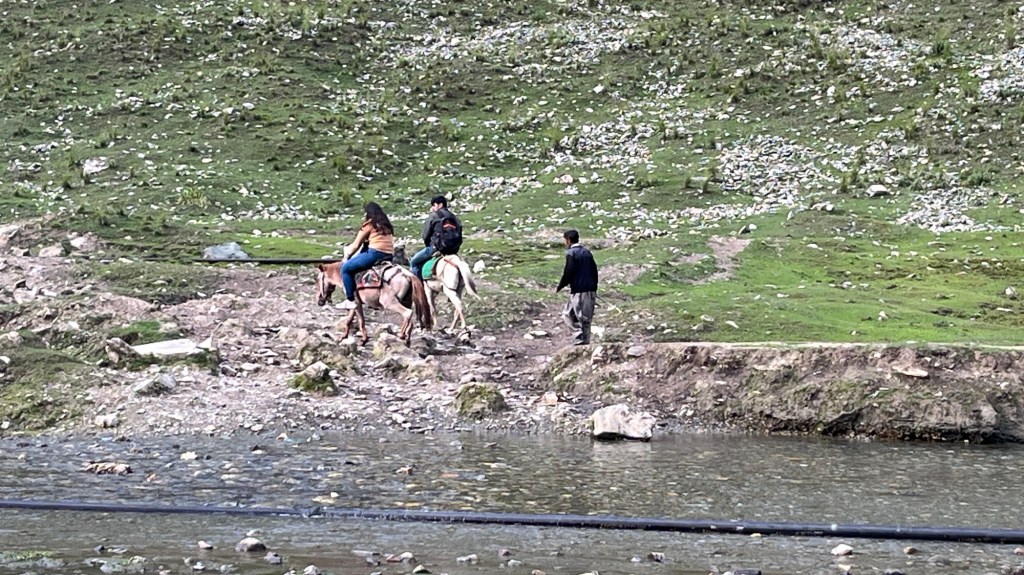
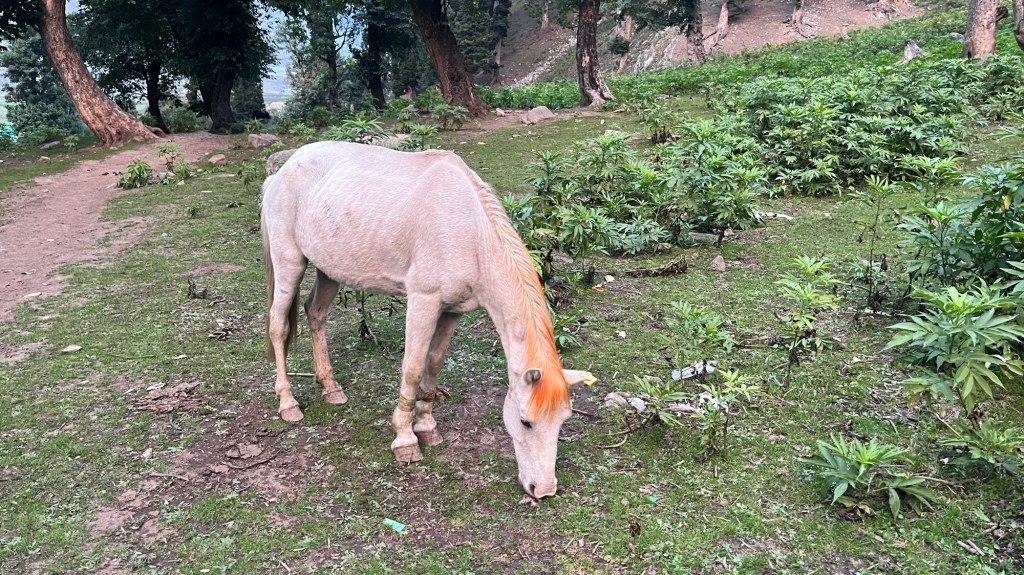
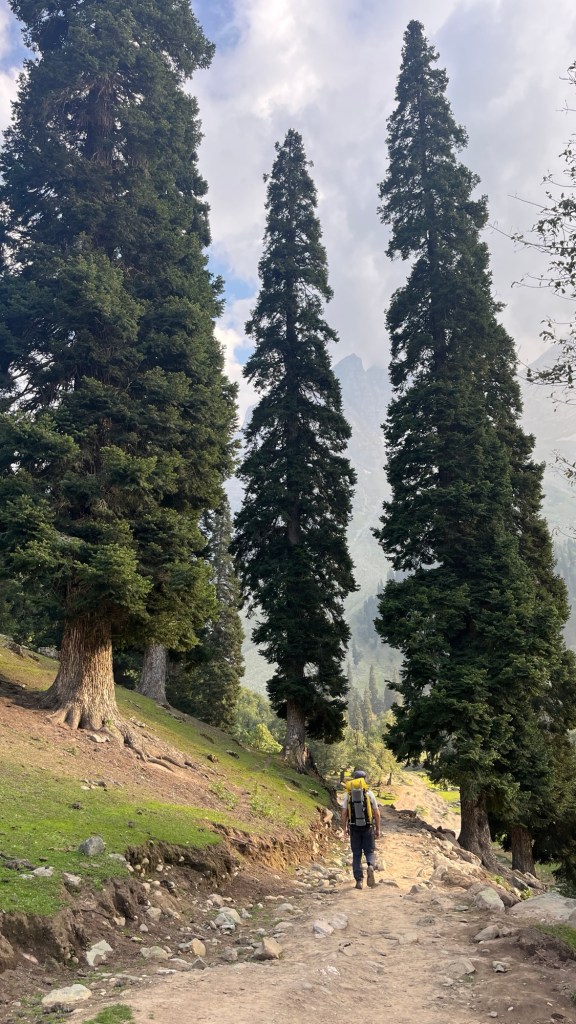
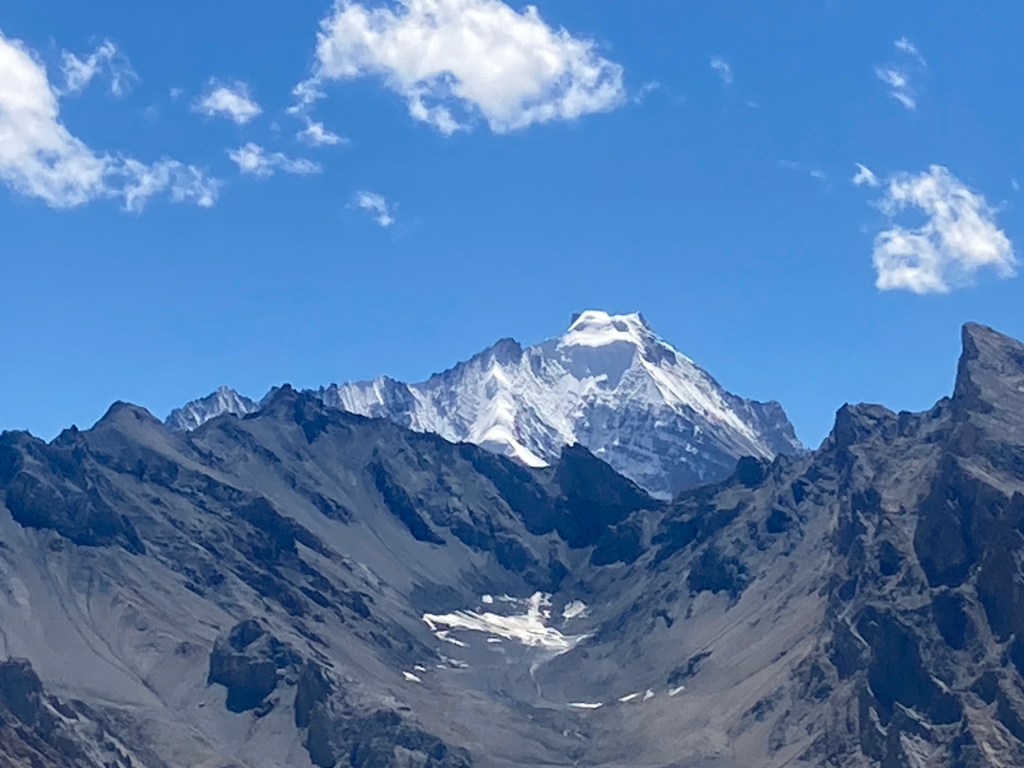
In a few hours, we realize Sonamarg has almost no trails. We hiked to the glaciers, another trail starts 9km out of town, and the Great Lakes trek is a week long affair that goes well over 4500m. We decide to keep moving, over Zoji La pass.
There are two ways into the Ladakh territory, where a single road goes through the Himalaya range. North pass and south pass. Zoji La is on the north end, and it’s the speedy way. 450km from Srinagar, a two day 20 hour bus ride. Update – now a one day 14 hour bus ride
The passes snow in for 6 months of the year, and it’s likely they will close before we leave Ladakh in mid October. We are breaking this epic drive into short trips (<100km), to get in some hiking and acclimating. And travelling with the locals in shared taxis.
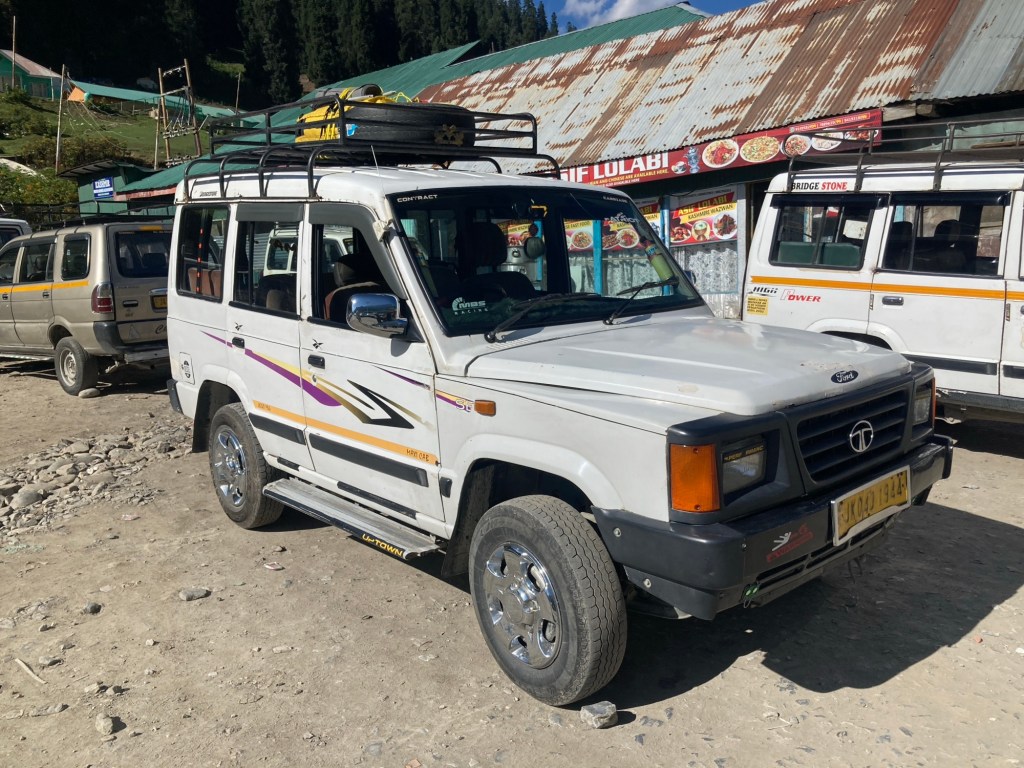
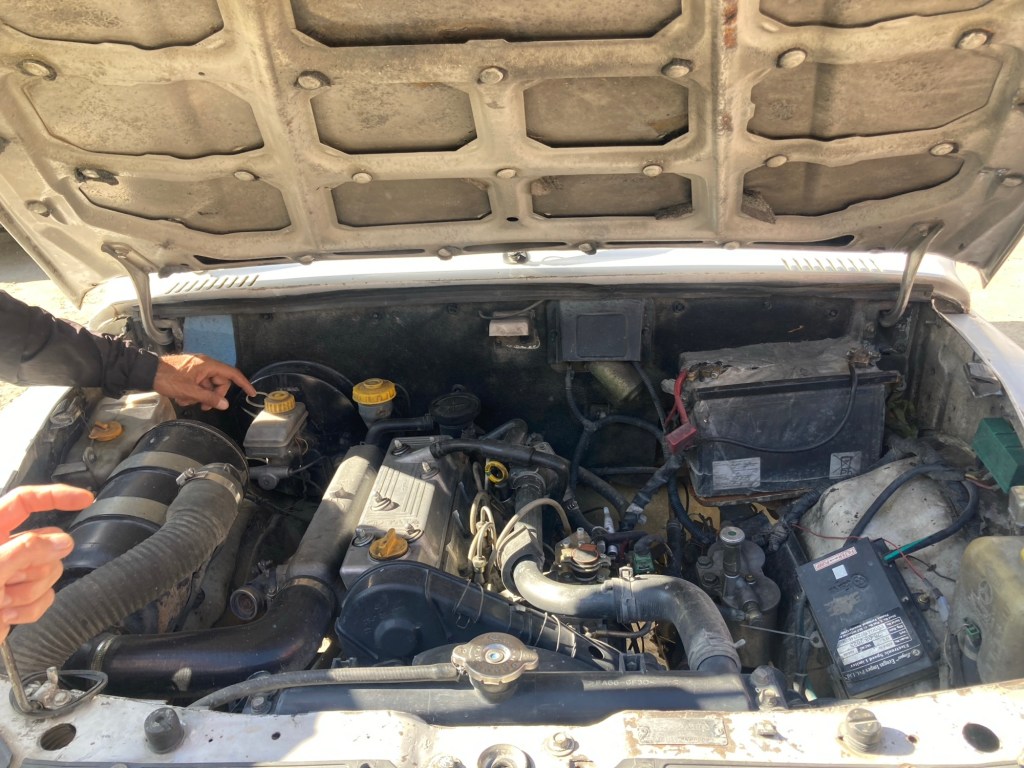
The problem with shared taxis is they don’t go until the taxi is full. We waited for an hour and we were still the only customers. At 10 AM the tourist bus from Srinagar rolled into town, so off we went.
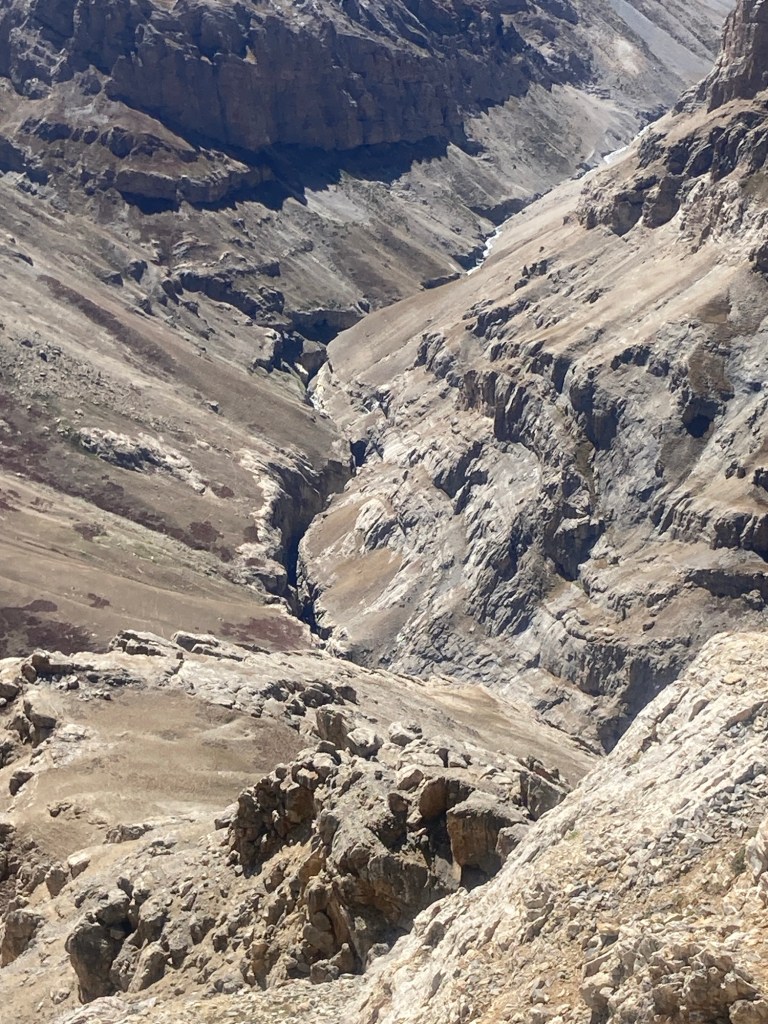
The drive up Zoji La is impossible to record. Overhanging cliffs on one side and a kilometre deep Canyon on the other.
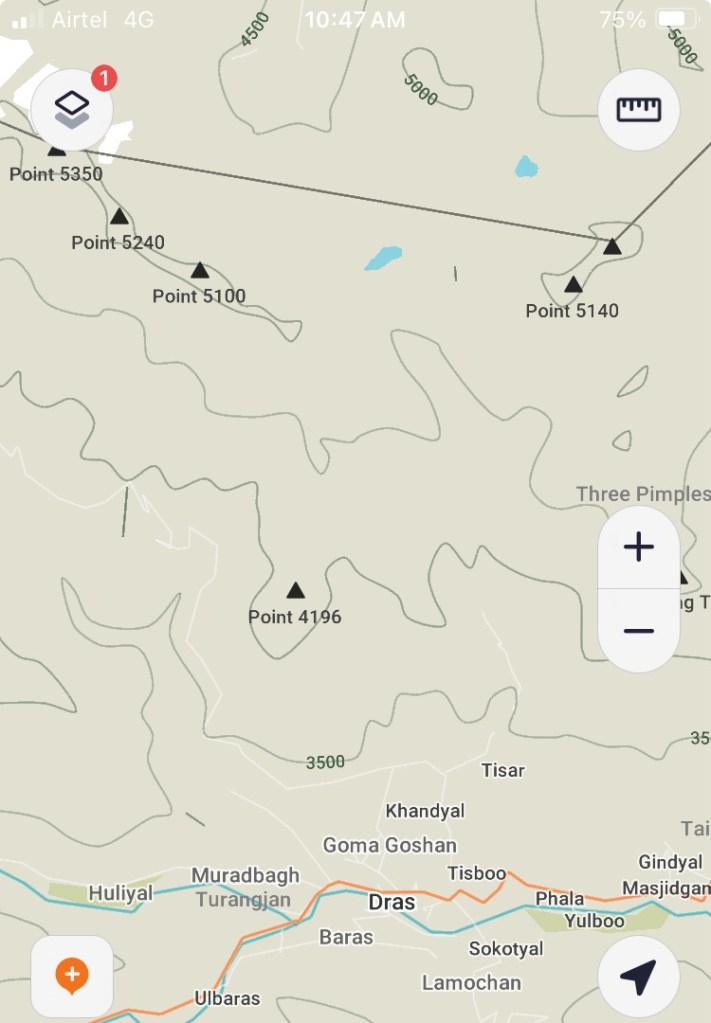
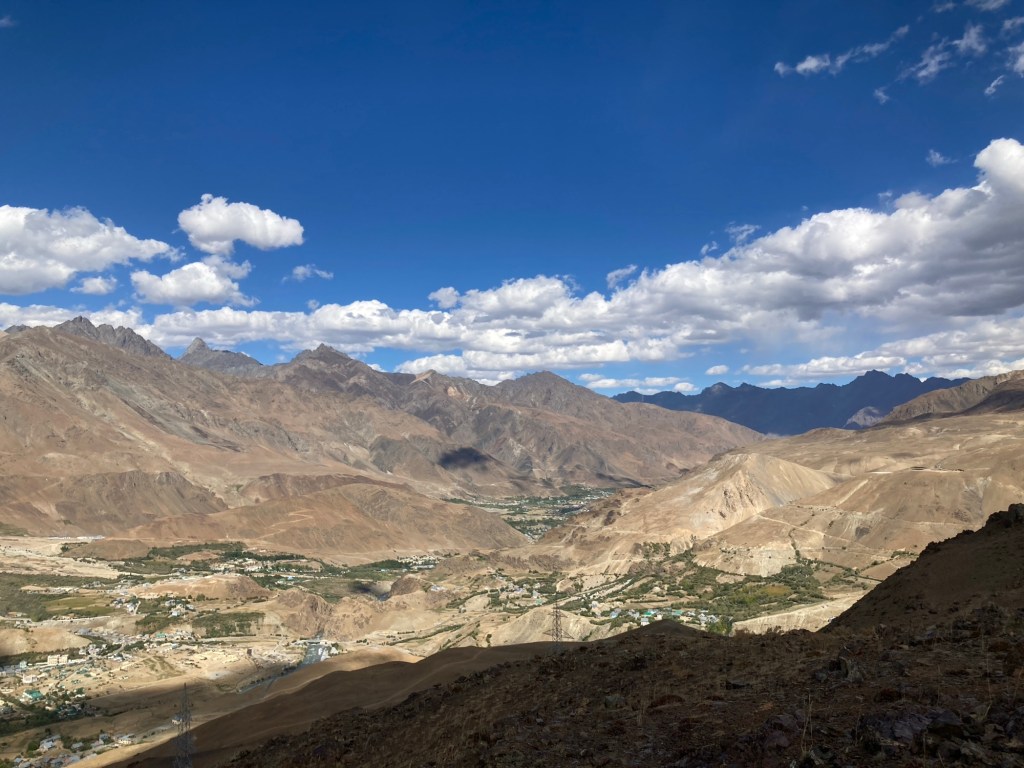
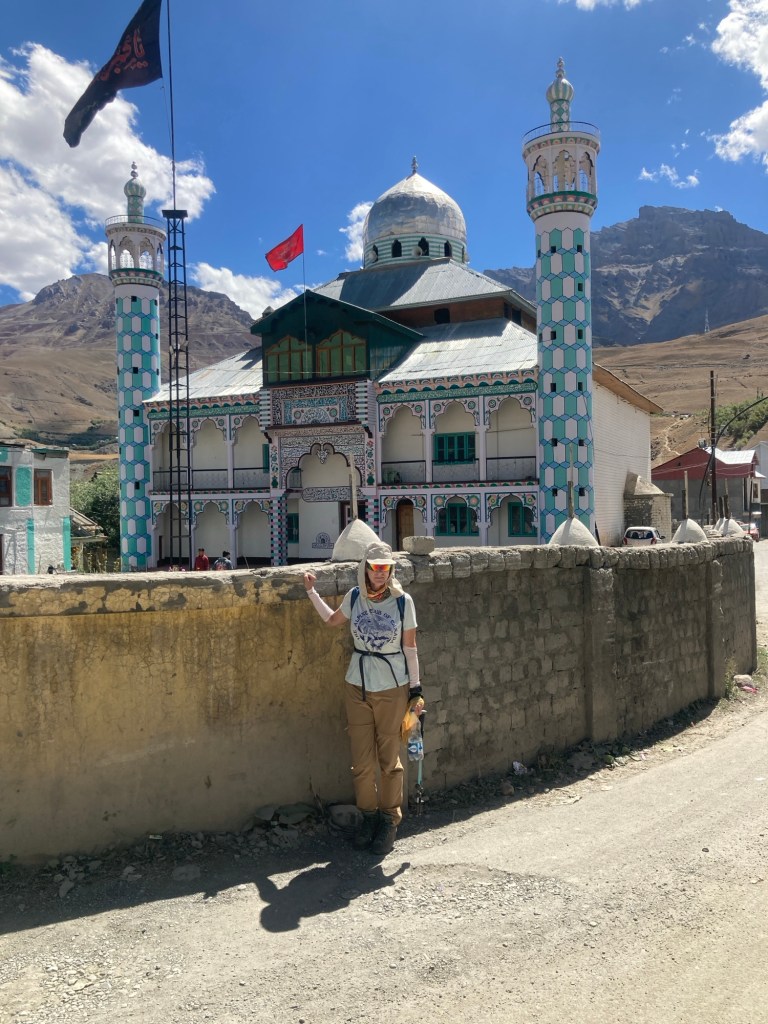
We chose the town of Dras for our next stop because at 3100 m it’s 400m higher than Sonamarg. Our guidebook says there’s nothing redeeming about this town, but we noticed an intricate system of roads and trails high into the mountains, particularly to the north
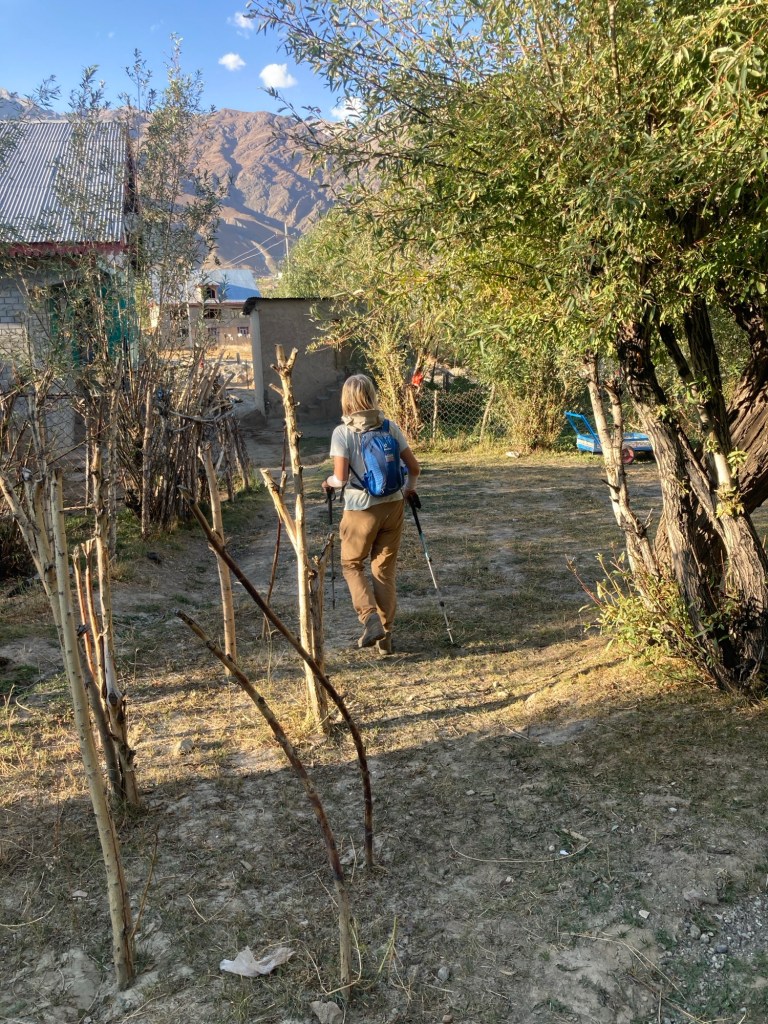
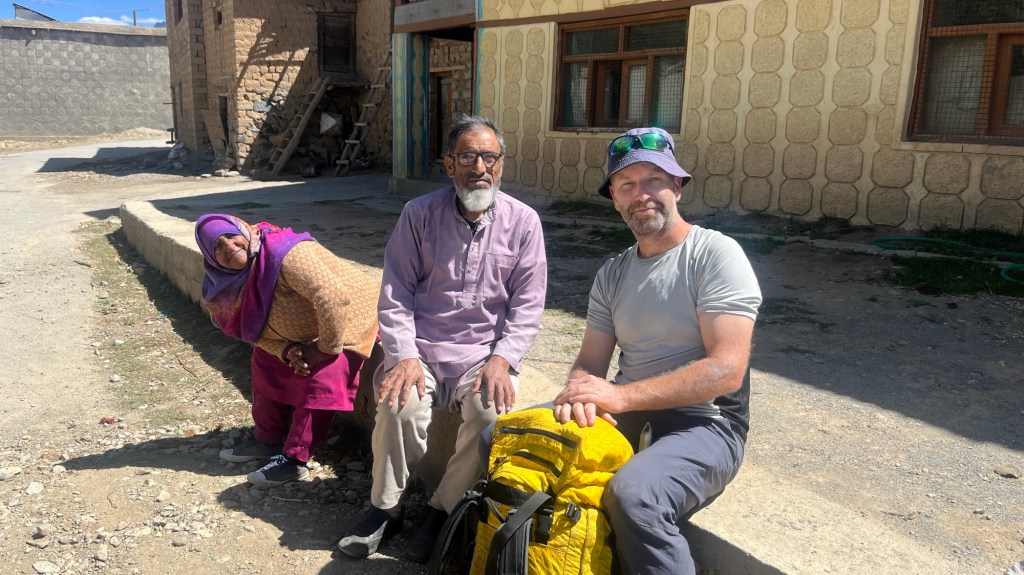
As we arrived back to our hotel courtyard, four buses of Indian soldiers rolled in. They explain that there is an election in Kashmir this month, so security is being increased.

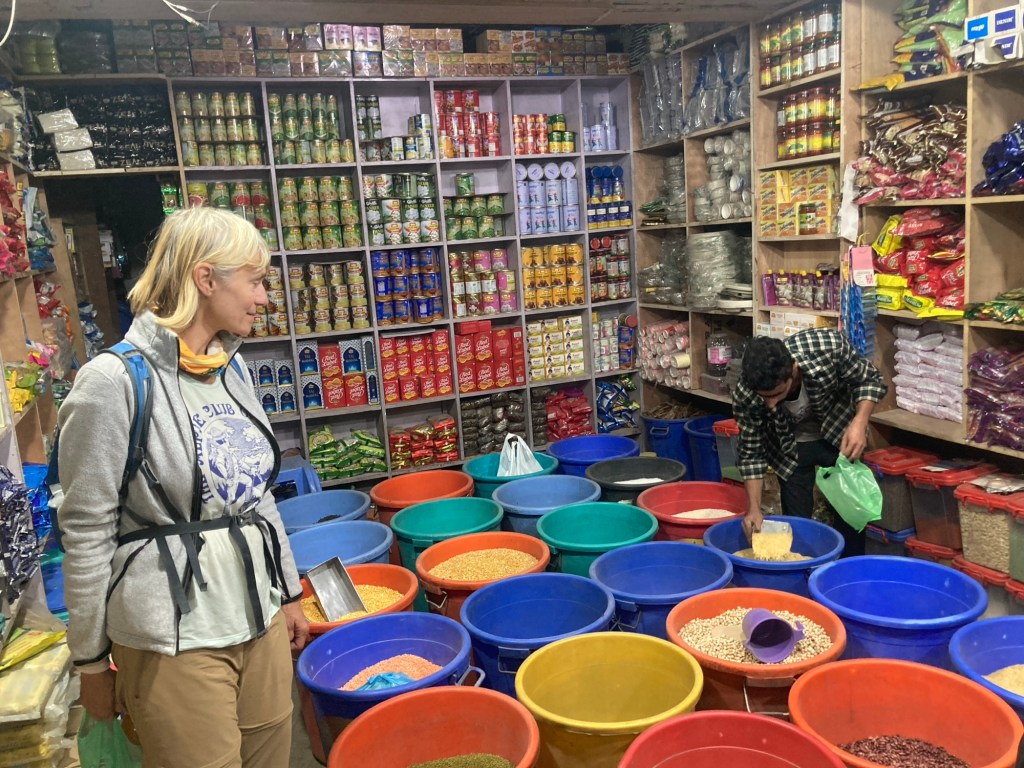
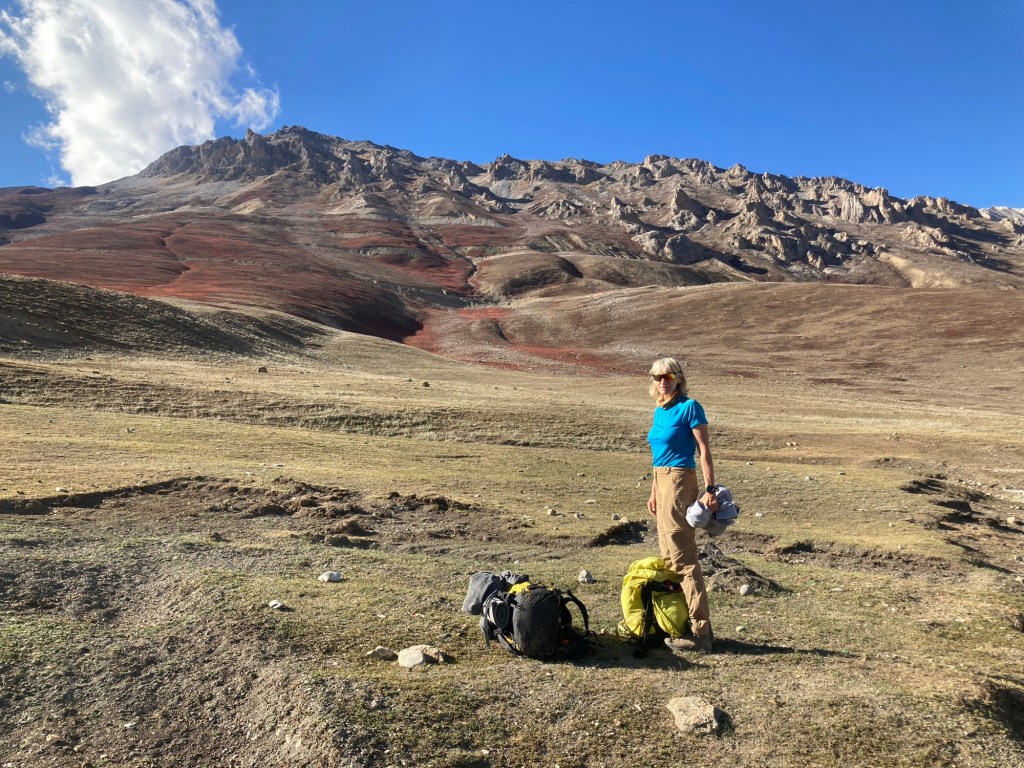
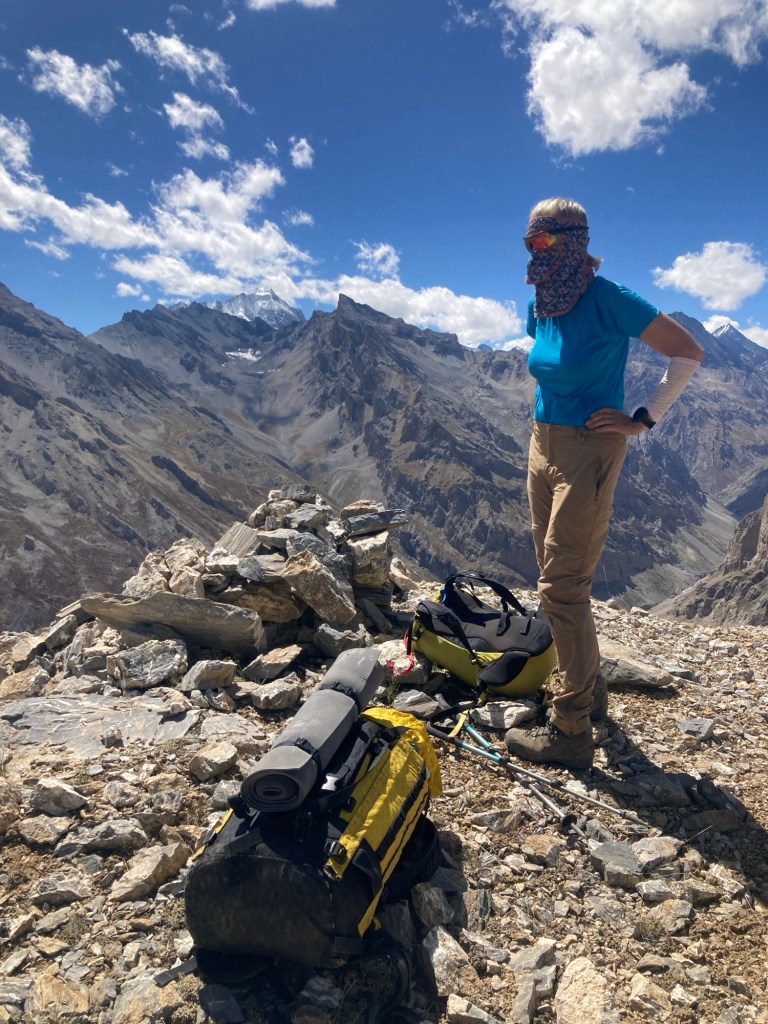
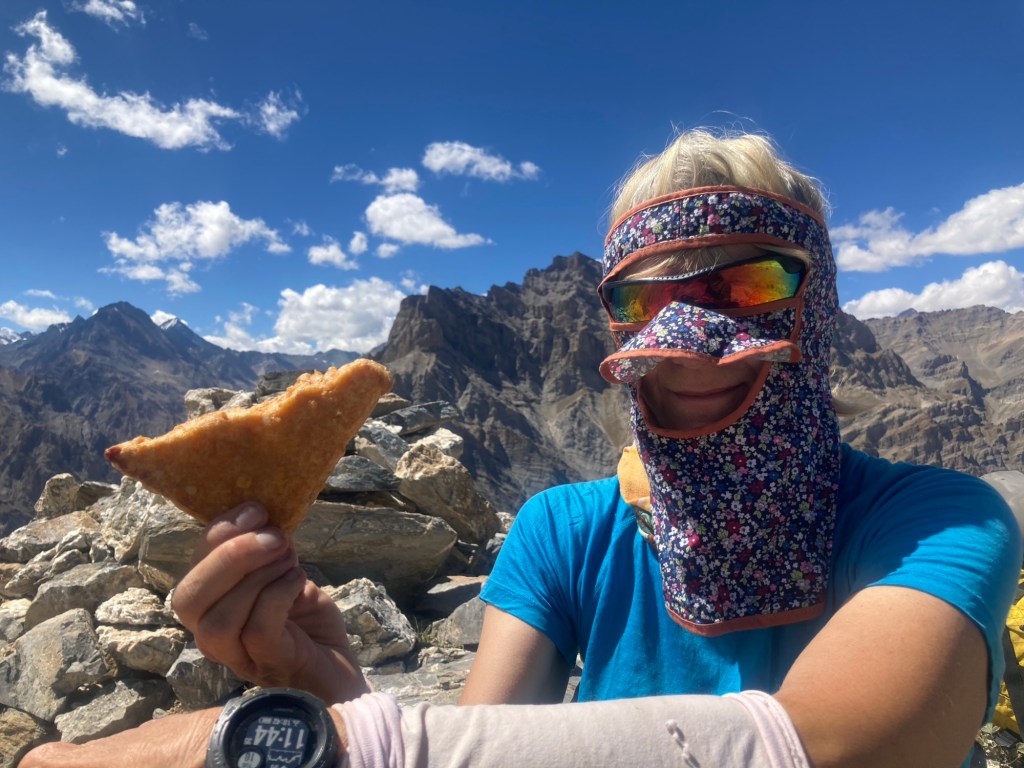
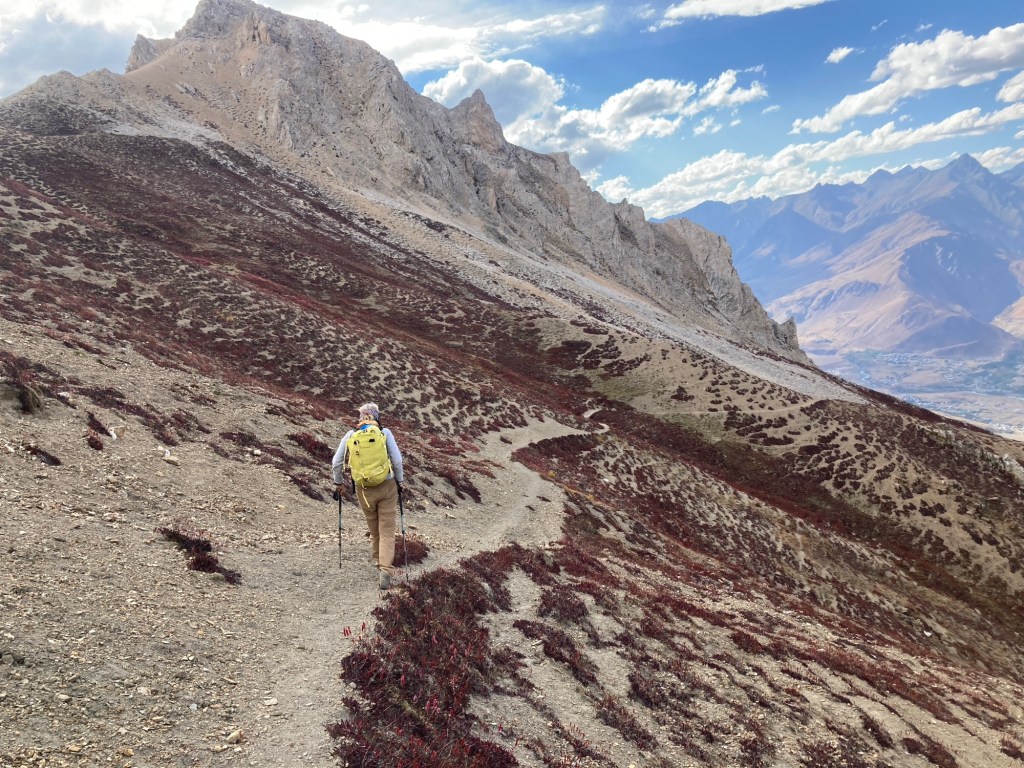
A good road leads up Lamochan mountain, so we hire a taxi to eliminate 11km of walking and 550m of vertical. Dras is the first town where we are not aggressively pursued by taxi drivers, and we have to go find them.
 Marta and Chester's Maleficent Adventures